Liébana is a valley surrounded by limestone mountains and deep beech forests that acts almost
as a “climate island”. In less than 20 km you pass pasture meadows with stone walls and orchards,
to shadowy beech forests, and then to vertical high mountain walls where bearded vultures fly
and wallcreepers. This brutal diversity of habitats is what means that, in a single morning,
you can see forest species, grassland birds and alpine specialists.
This page wants to help you: recognize the most typical birds of the valley,
knowing in which habitat to look for them and understanding when it is easiest to see them.
1. FOREST / BEECH / OAK grove
1. Forest and beech forest birds
Old oak woods, wet beech woods, mixed chestnut, relict oak and hazel woods.
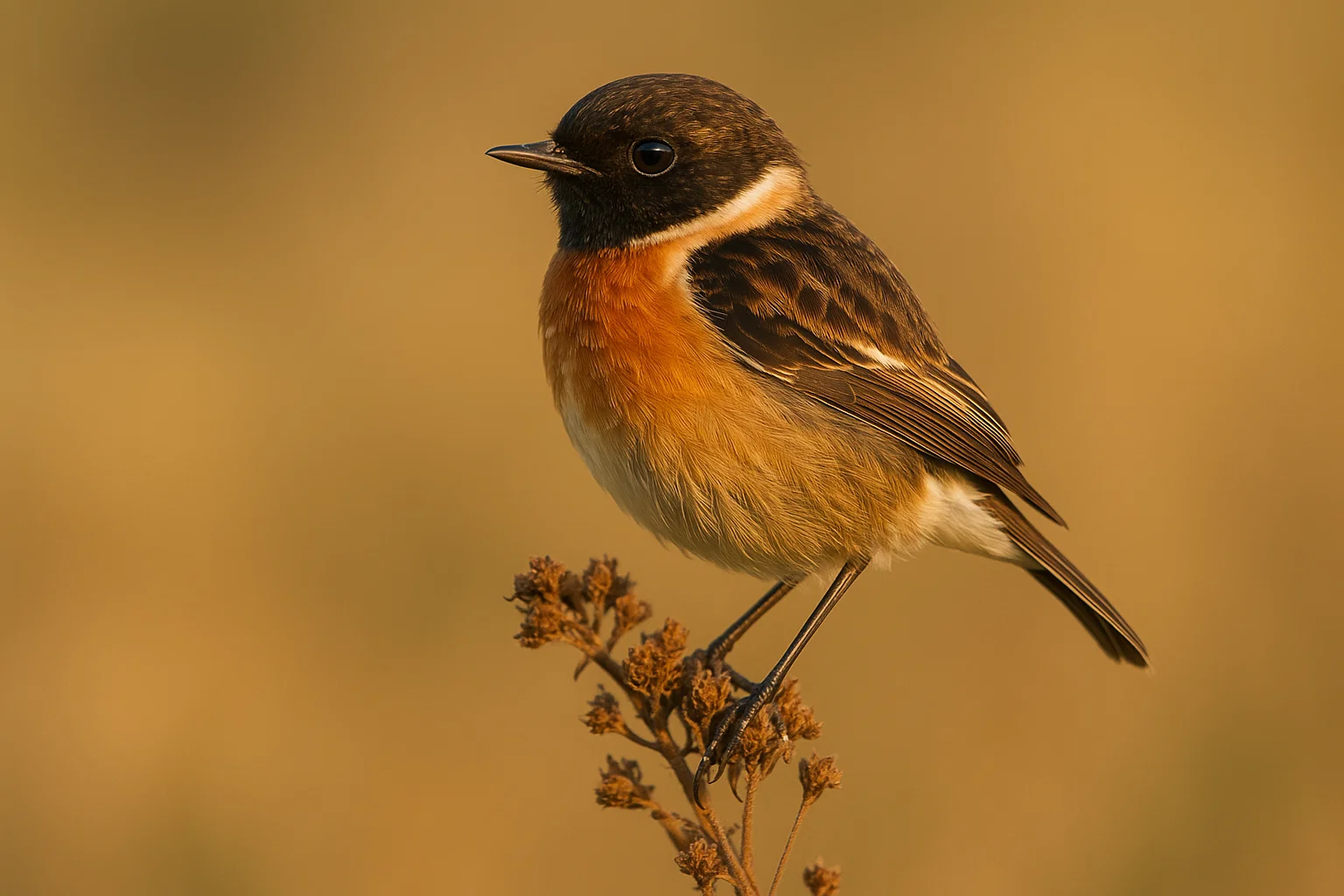
Stonechat(Saxicola rubicola)
Forest/meadow edge
Very common in Liébana. It perches on stakes and wires watching over the meadow.
Male with deep orange breast and dark head. More discreet female.
Present all year round.
Size:small (compact sparrow type).
Local key:very easy to see on rural walks around Potes and nearby towns.
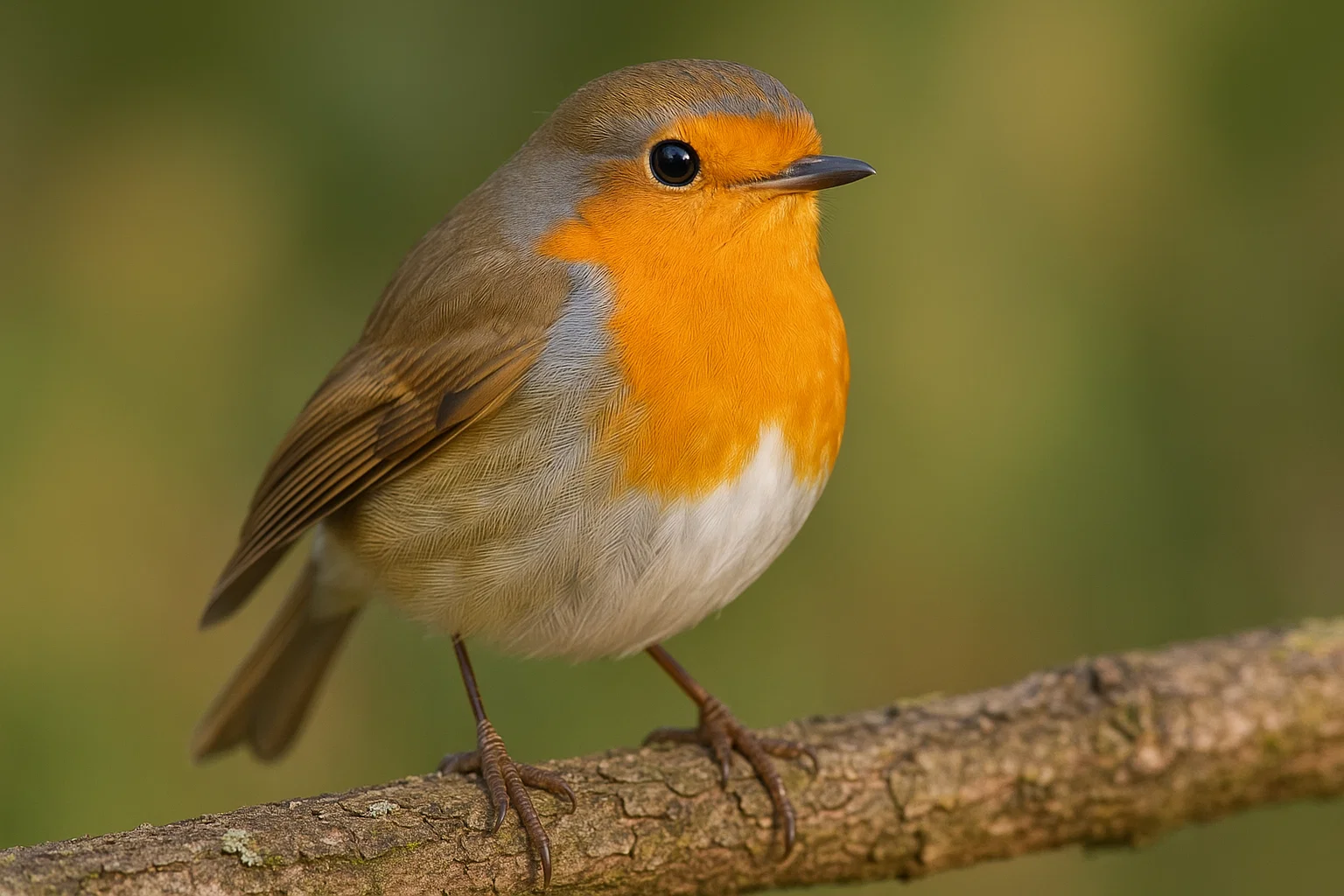
European robin(Erithacus rubecula)
gloomy copse
The classic “orange-breasted birdbird”. Very confident; It comes closer when you move dirt.
Abundant throughout Liébana, also in winter.
ID:orange throat and breast, large eye, rounded body.
Time:all year round, it sings especially in spring.
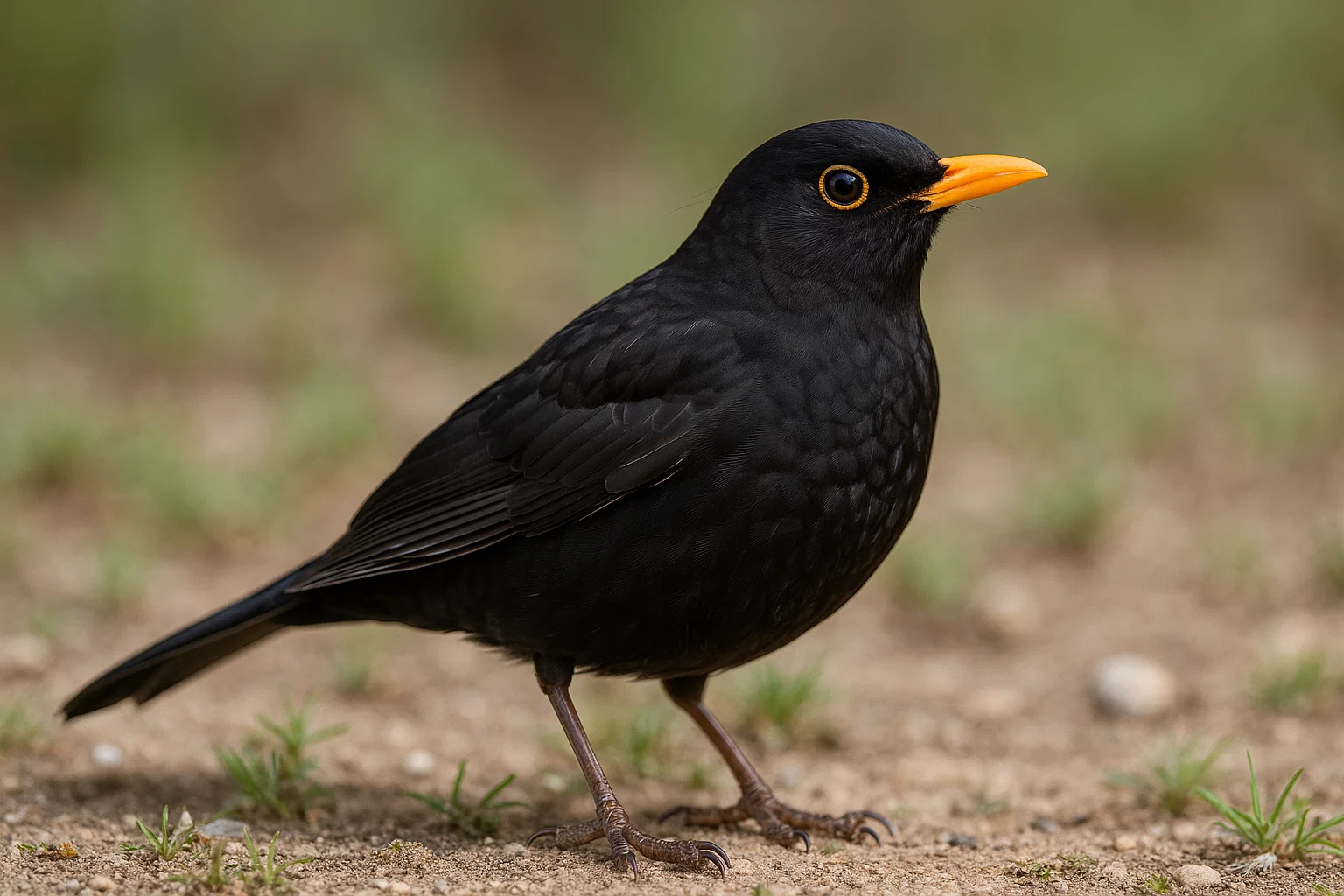
common blackbird(Turdus merula)
Forest / Wooded orchards
Very black male with bright yellow beak.
Melodic song at dawn in spring throughout the valley, from gardens to chestnut groves.
Time:resident all year round.
Behavior:scratches the ground looking for worms.
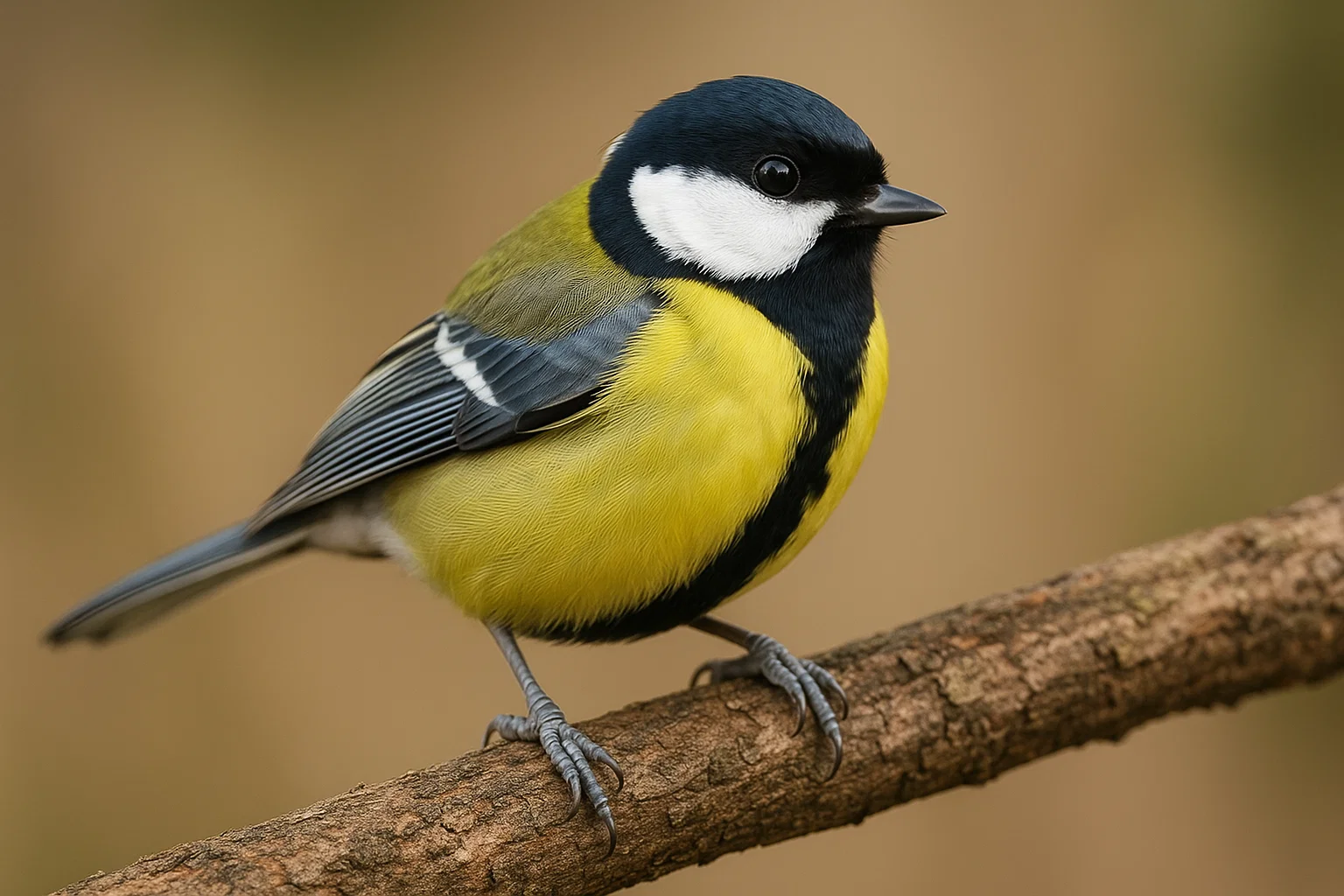
great tit(parus major)
Mixed forest / Villages
Green-yellow body with a black “tie” band on the chest.
In Liébana it is found in riverside trees, orchards with fruit trees and also forests.
Singing:repetitive, “ti-ti tu-tu” type, very audible in spring.
Time:all year.
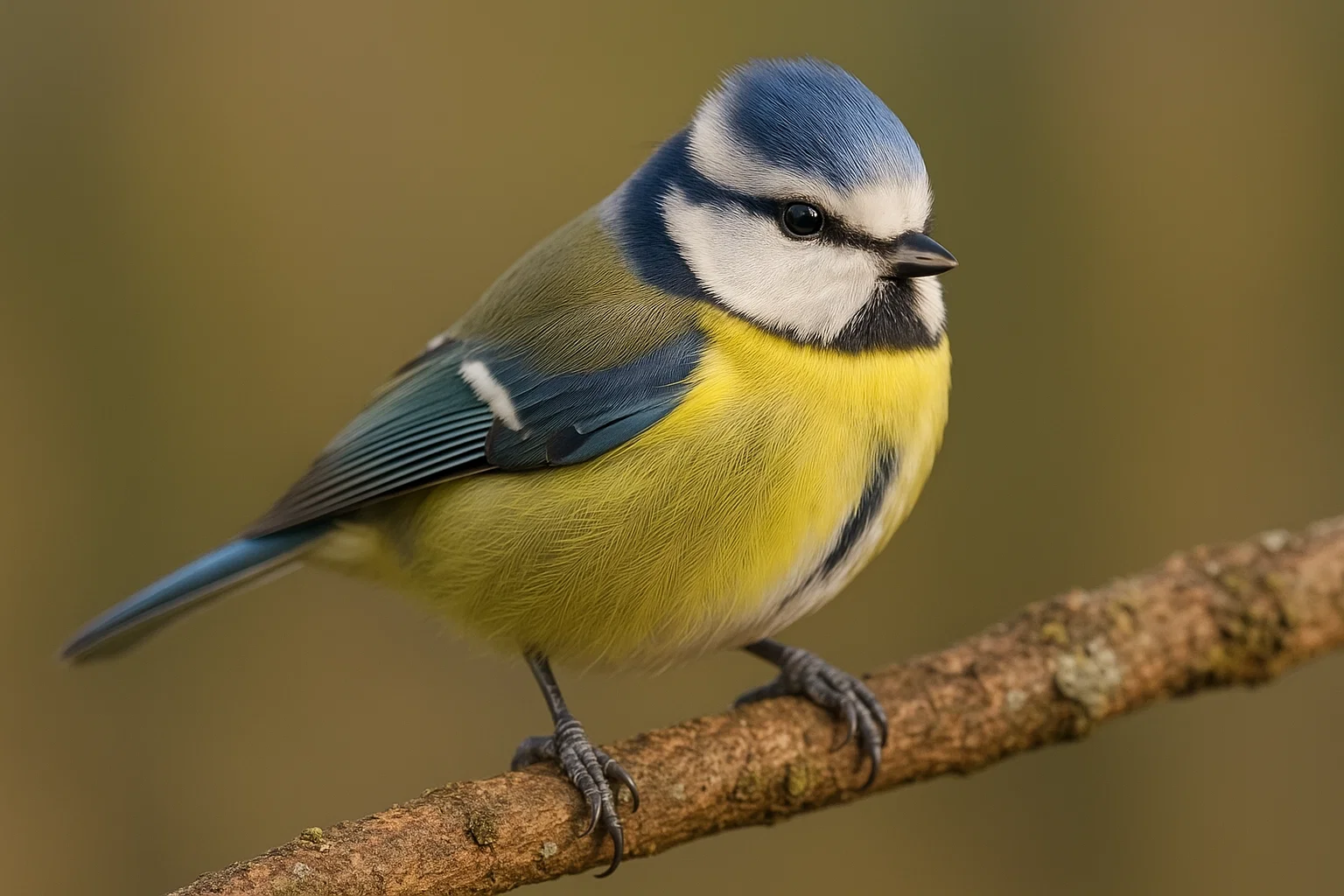
blue tit(Cyanistes caeruleus)
Wet forest / Gardens with fruit trees
Tiny, blue and yellow. Very active among thin branches hunting insects.
In Liébana it appears both in forests and near houses with gardens.
Time:all year.
Tip:It moves in bands mixed with chickadees and myths.
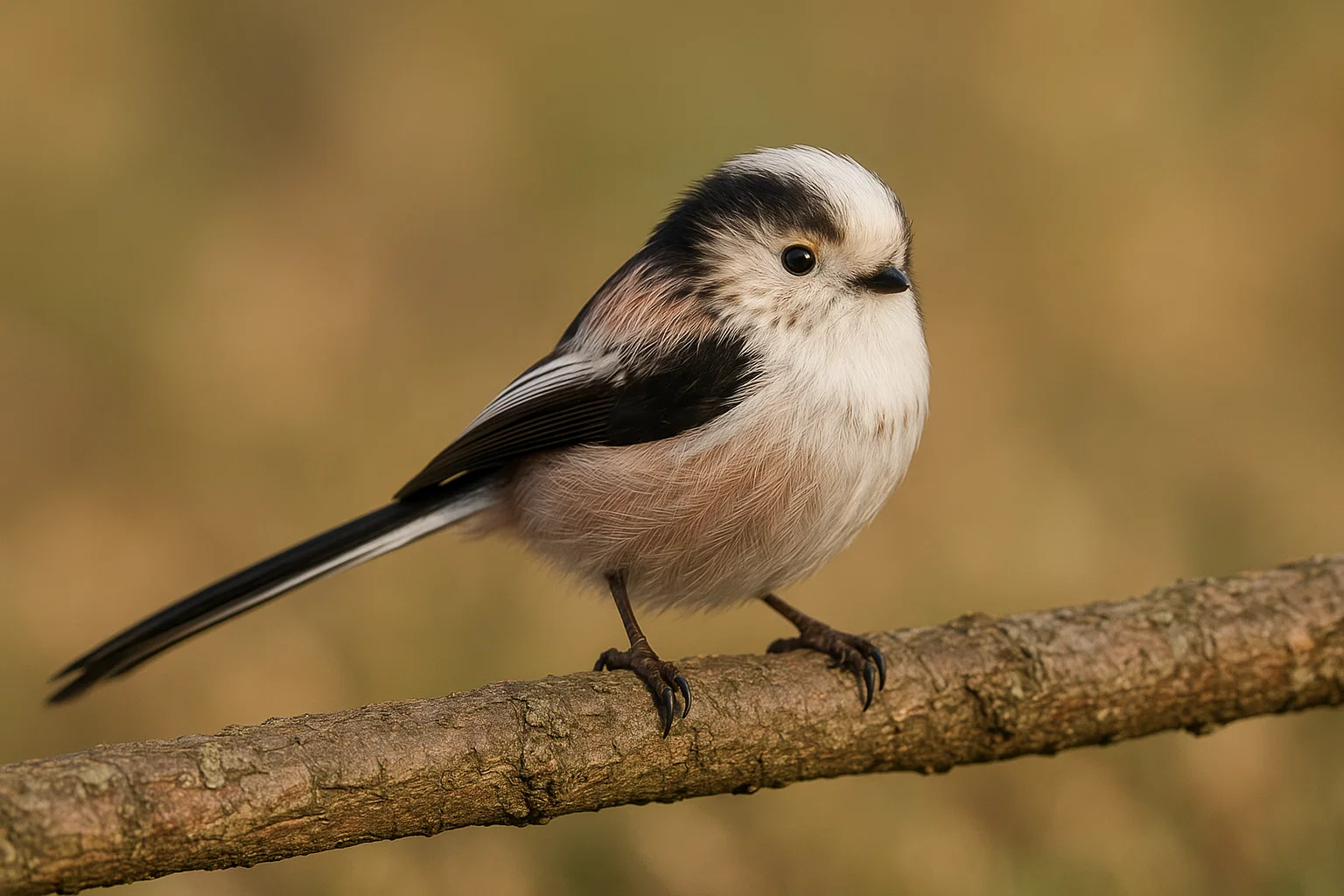
Myth / Long-tailed wren(Aegithalos caudatus)
Bushes and bushy thickets
White and pink ball with a very long tail. It always goes in a nervous flock,
jumping branch to branch. Very common in thickets and forest edges.
Time:all year.
Behavior:hyperactive and sociable.
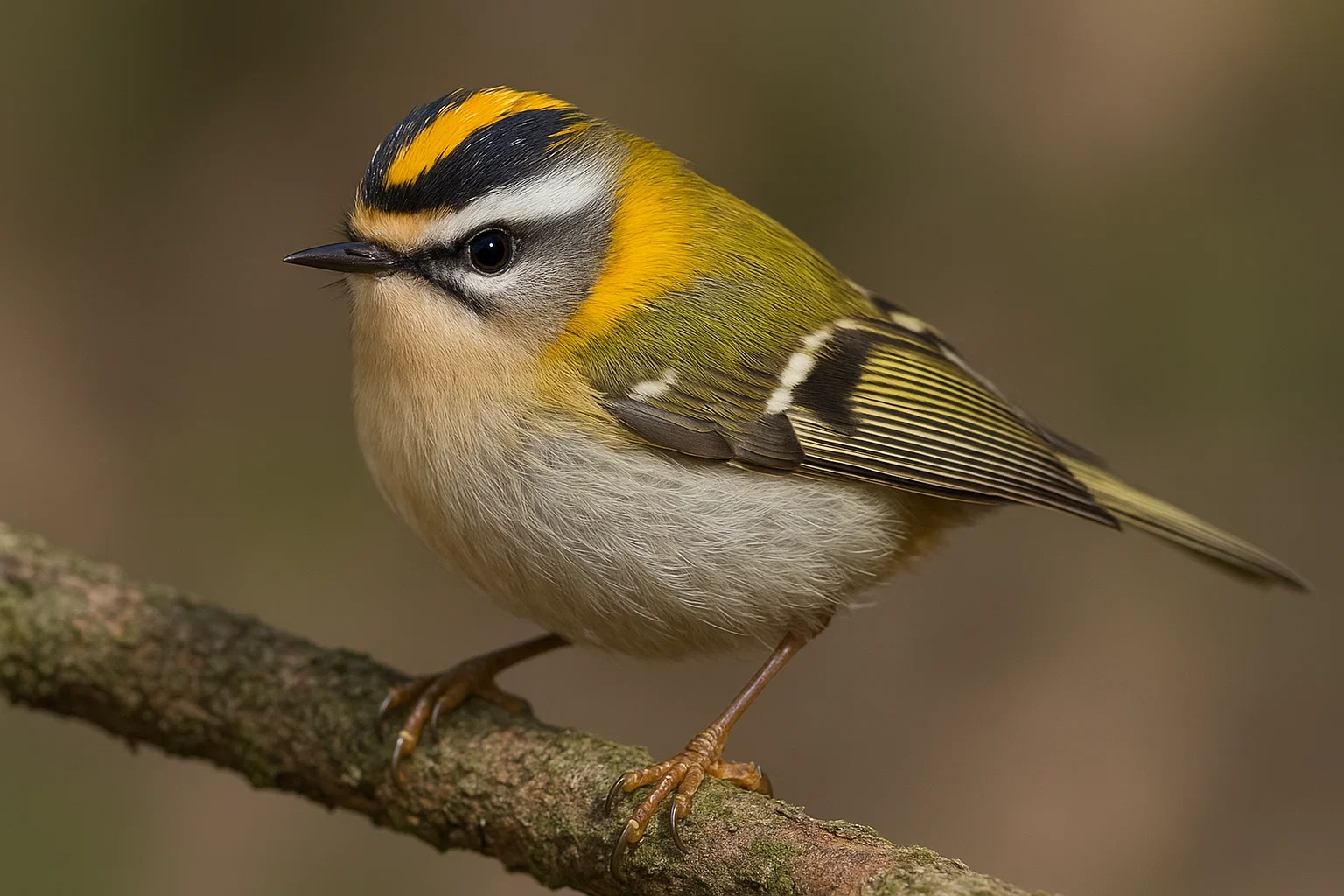
Striped wren(Regulus ignicapilla)
Beech / Ornamental conifers
One of the smallest birds in Europe. Orange-yellow crown in males,
marked white eyebrow. He moves non-stop through the drinks.
Time:all year round, especially in wet mature trees.
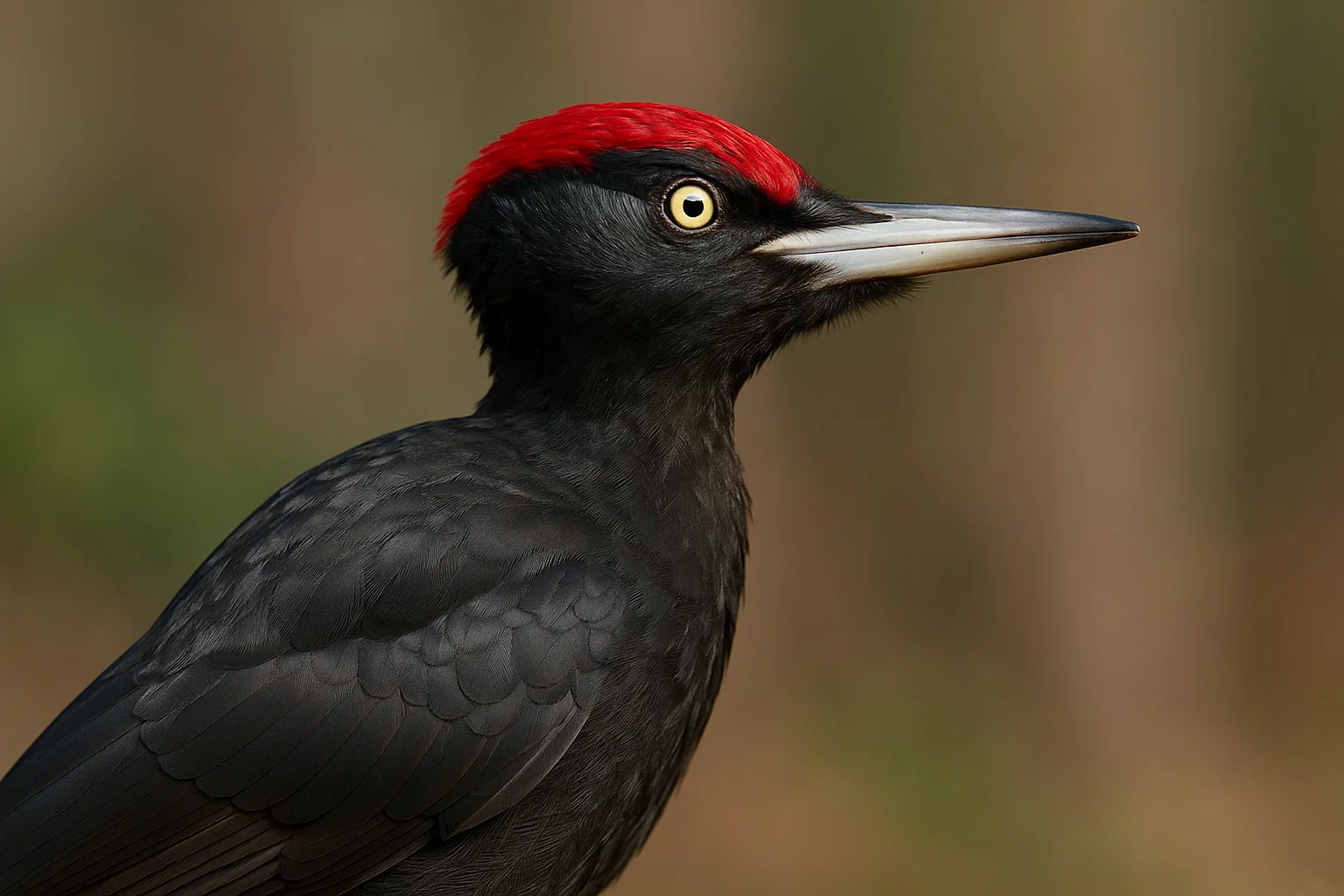
black whistle(Dryocopus martius)
old beech
Huge woodpecker, completely black, with a red crown.
Present in structured beech forests of Liébana, it is usually heard more than seen.
Trace:huge holes in old logs.
Time:all year round, most vocally active in spring.
Pico MEDIO (you DO NOT have pico-mediano.webp image in your list, so we remove it to avoid 404)
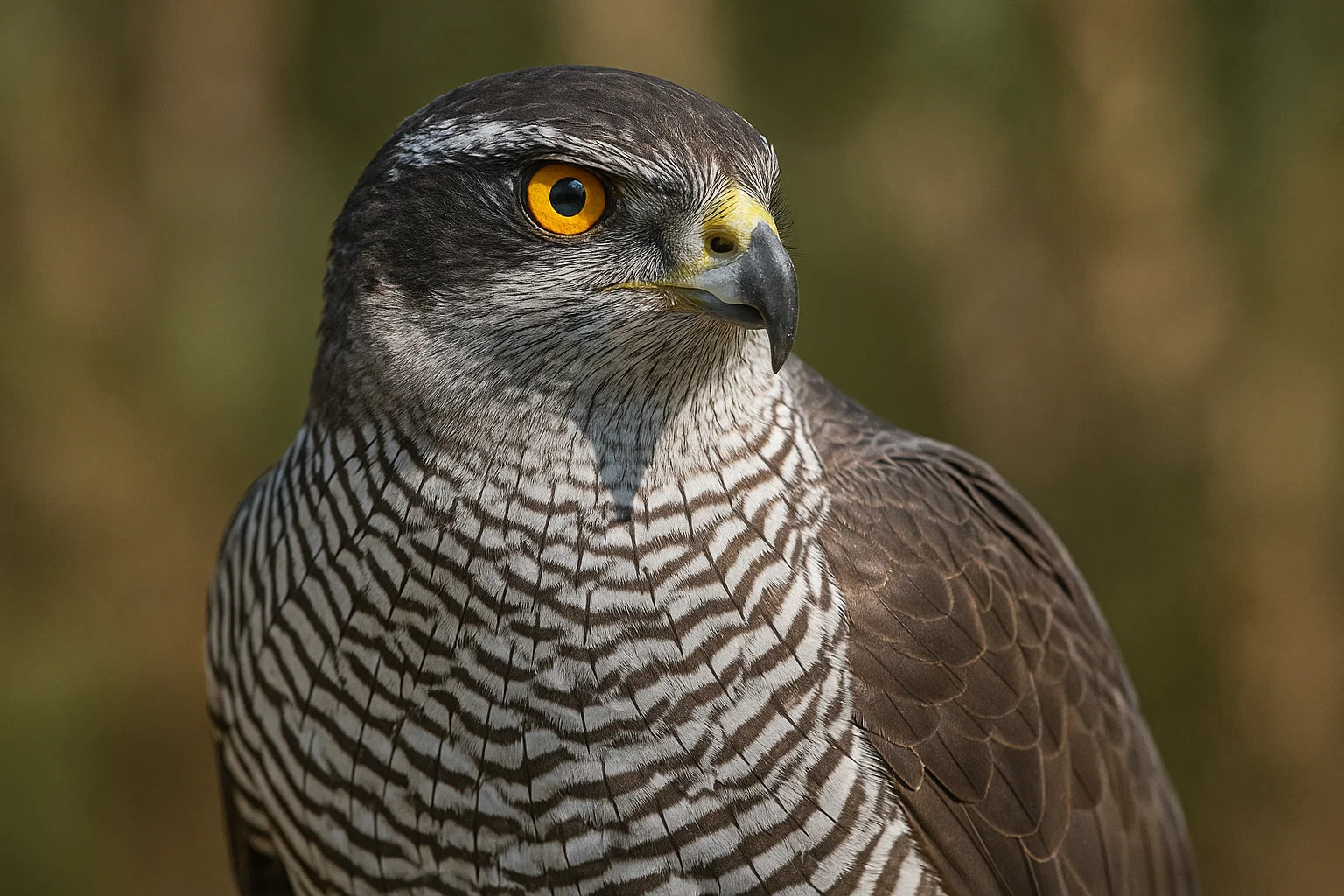
common goshawk(Accipiter gentilis)
closed forest
Powerful and compact forest raptor. It flies low between logs hunting for birds.
Hard to see, but present.
Compare with:hawk (smaller, longer tail and thinner legs).
Time:all year in mature forests.
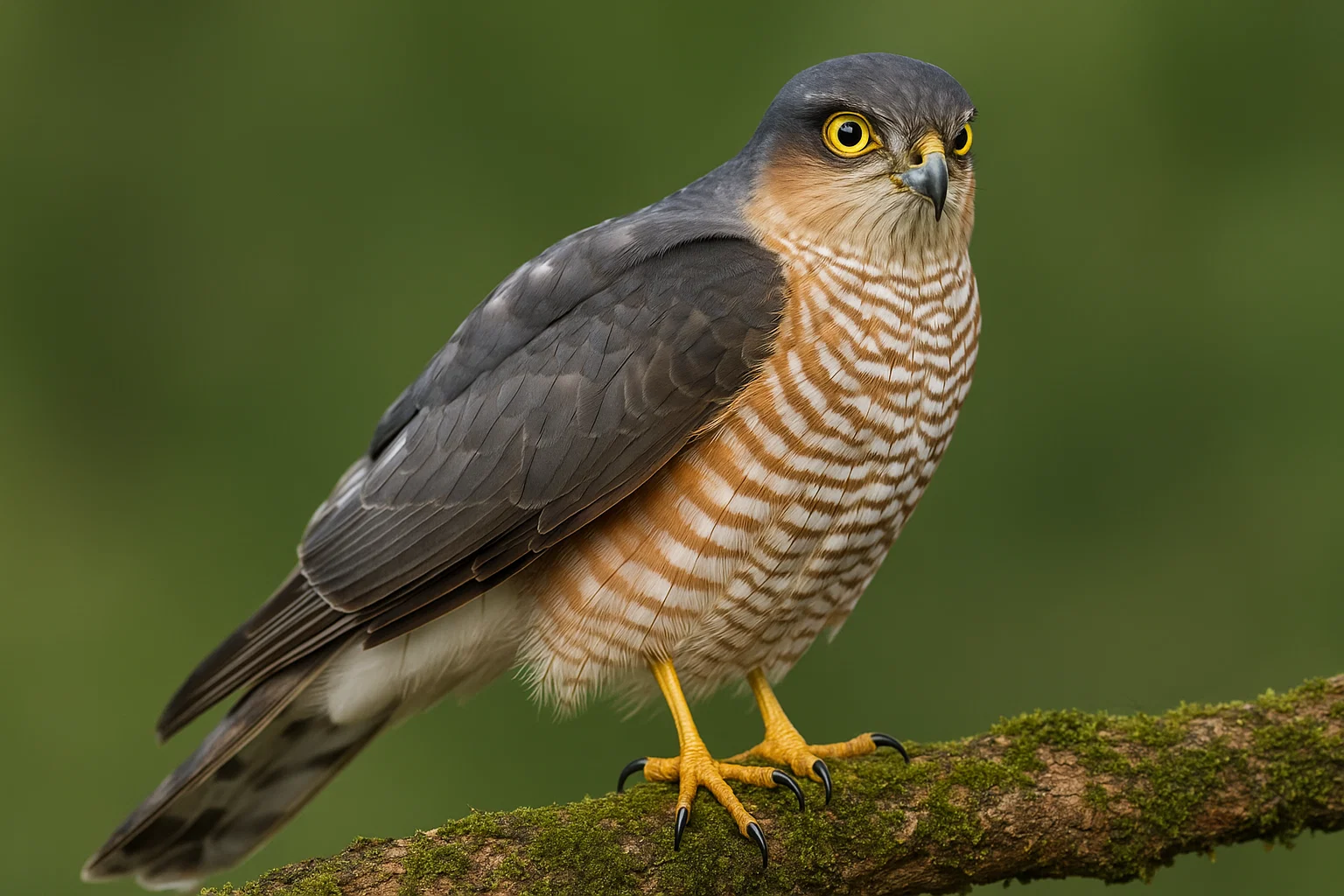
Use:(Accipiter nisus)
Forest / Villages (hunting sparrows)
Lighter version of the goshawk. Fine barred chest.
It even enters villages after house sparrows.
Time:all year round at low and medium levels.
Tip:you see it as a low, quick flash between hedges.
2. MEADOWS / ORCHARDS / SCRUBBERRY WITH THORNS
2. Harvest meadows, orchards and thorny hedges
Rural mosaic: stone walls, cattle pasture, brambles, thorns, old fruit trees, stables.
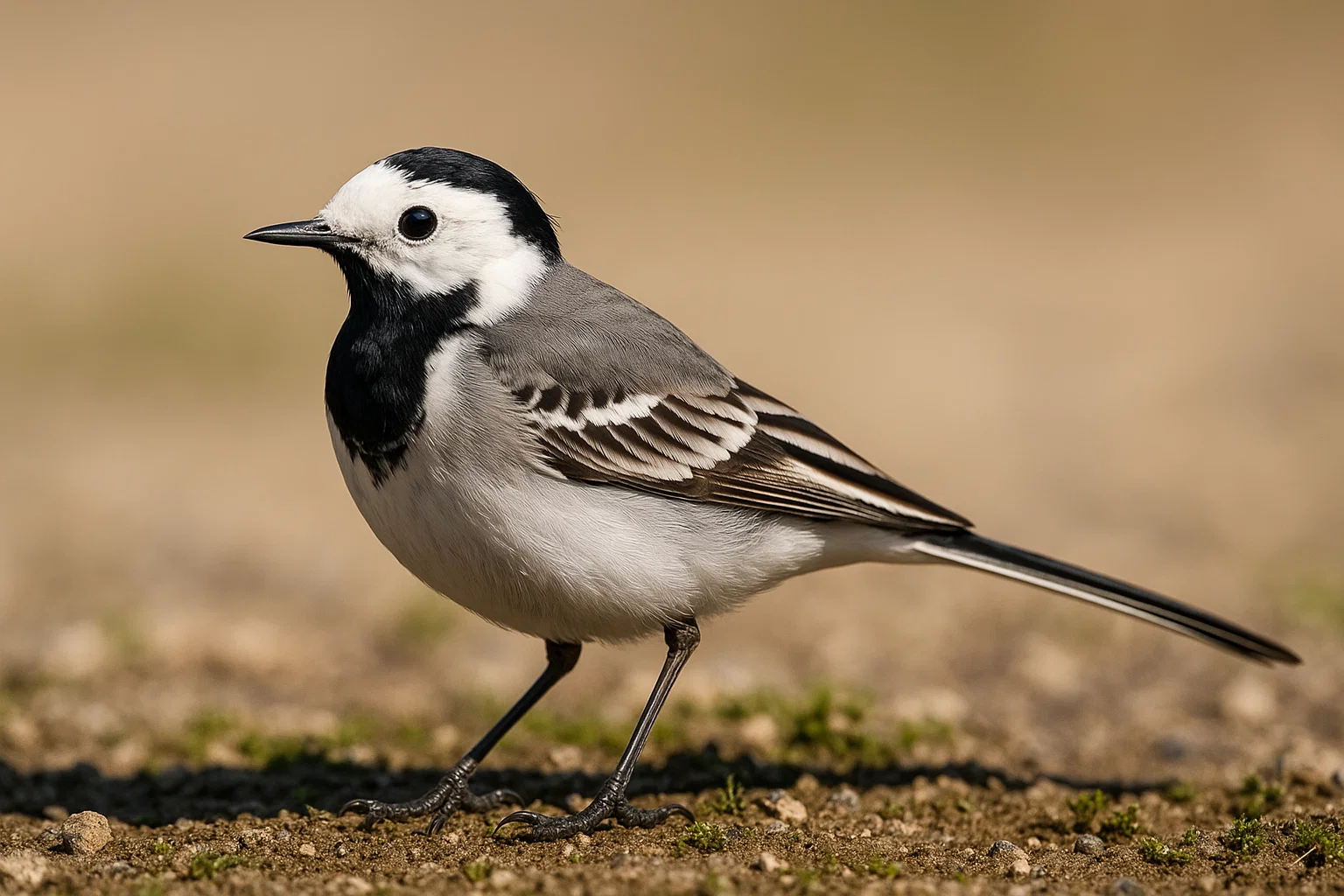
white wagtail(Motacilla alba)
Wet meadows / Stables / Banks
White and gray body, long tail that waves non-stop. He walks around the ground hunting for bugs.
In Liébana it is inseparable from villages, stables and corrals.
Time:all year.
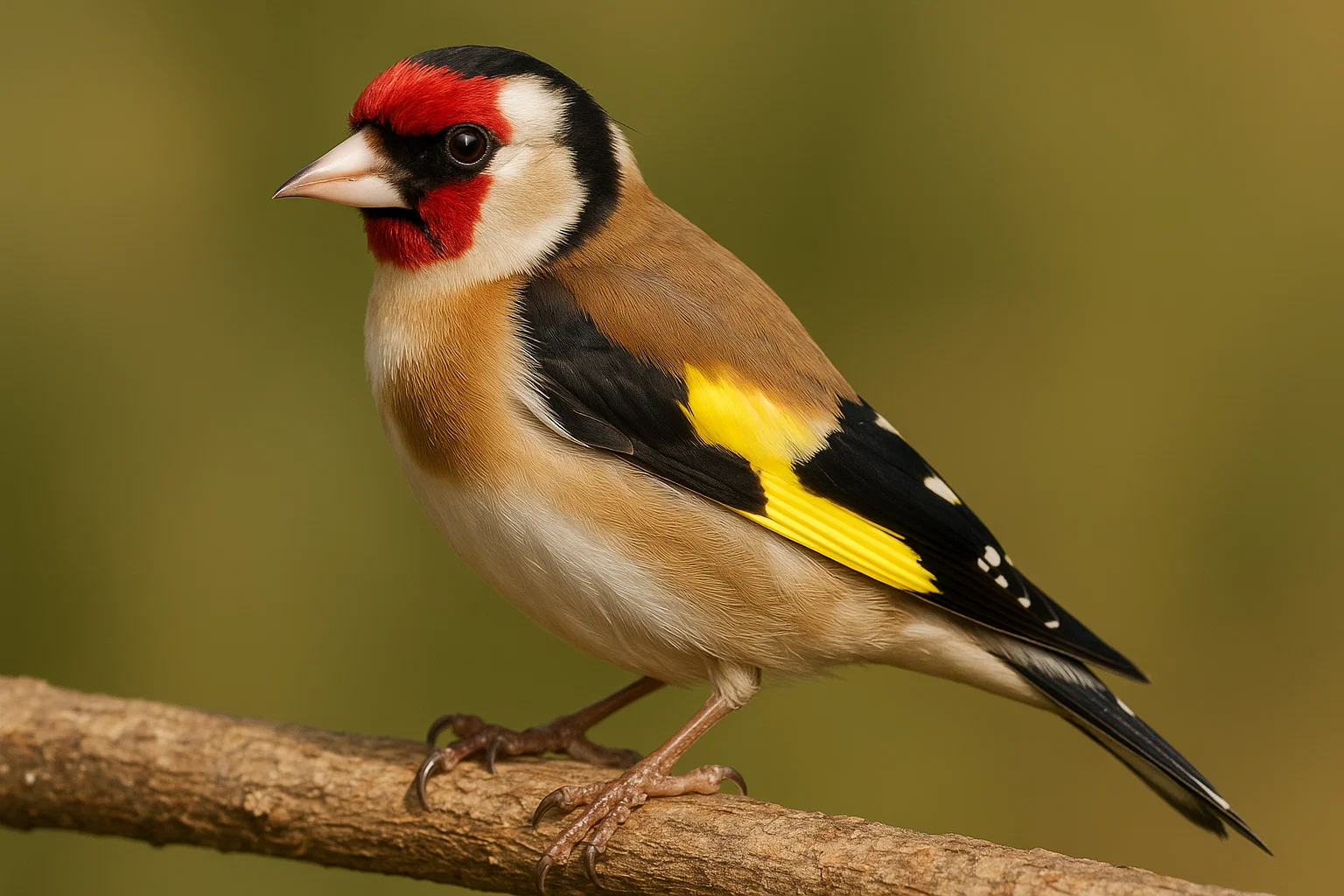
European goldfinch(Carduelis carduelis)
Orchards / Thistles / Fences
Very colorful, red mask and wings with yellow stripe. Love thistles.
Noisy flocks in late summer and autumn.
Time:all year round in the valley.
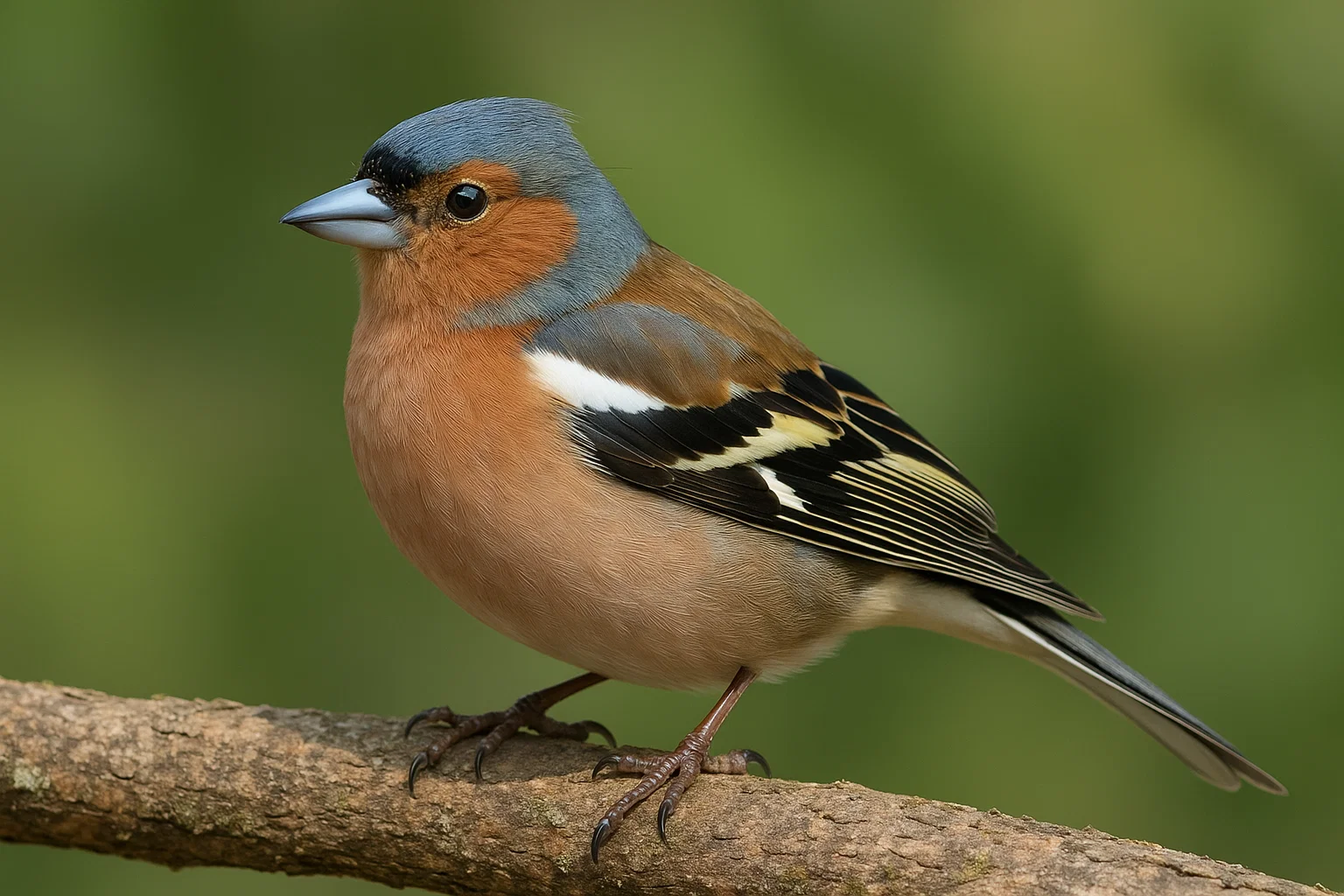
chaffinch(Fringilla coelebs)
Wooded orchards / Low chestnut trees
Male with bluish head and reddish chest; discreet brown female.
It is one of the most typical songs of spring in Liébana.
Time:all year.
House sparrow: we do not have a confirmed gorrion.webp image in your final folder; If you have it, reactivate it
<article class="bird-card" id="common-sparrow">
<div class="ave-card-header">
<h3 class="bird-name">
house sparrow
<span class="bird-scientific">(<em>Passer domesticus</em>)</span>
</h3>
<span class="ave-habitat-chip">Villages / Stables / Corrales</span>
</div>
<div class="ave-columns">
<div class="bird-photo">
<img src="/assets/img/aves/gorrion.webp"
alt="Male House Sparrow"
loading="lazy">
</div>
<div class="ave-info">
<p class="ave-desc">
The classic urban sparrow, also fully integrated into the valley villages.
Very social, noisy in eaves and stables.
</p>
<ul class="ave-data">
<li><strong>Season:</strong> all year round, especially humanized areas.</li>
</ul>
</div>
</div>
</article>
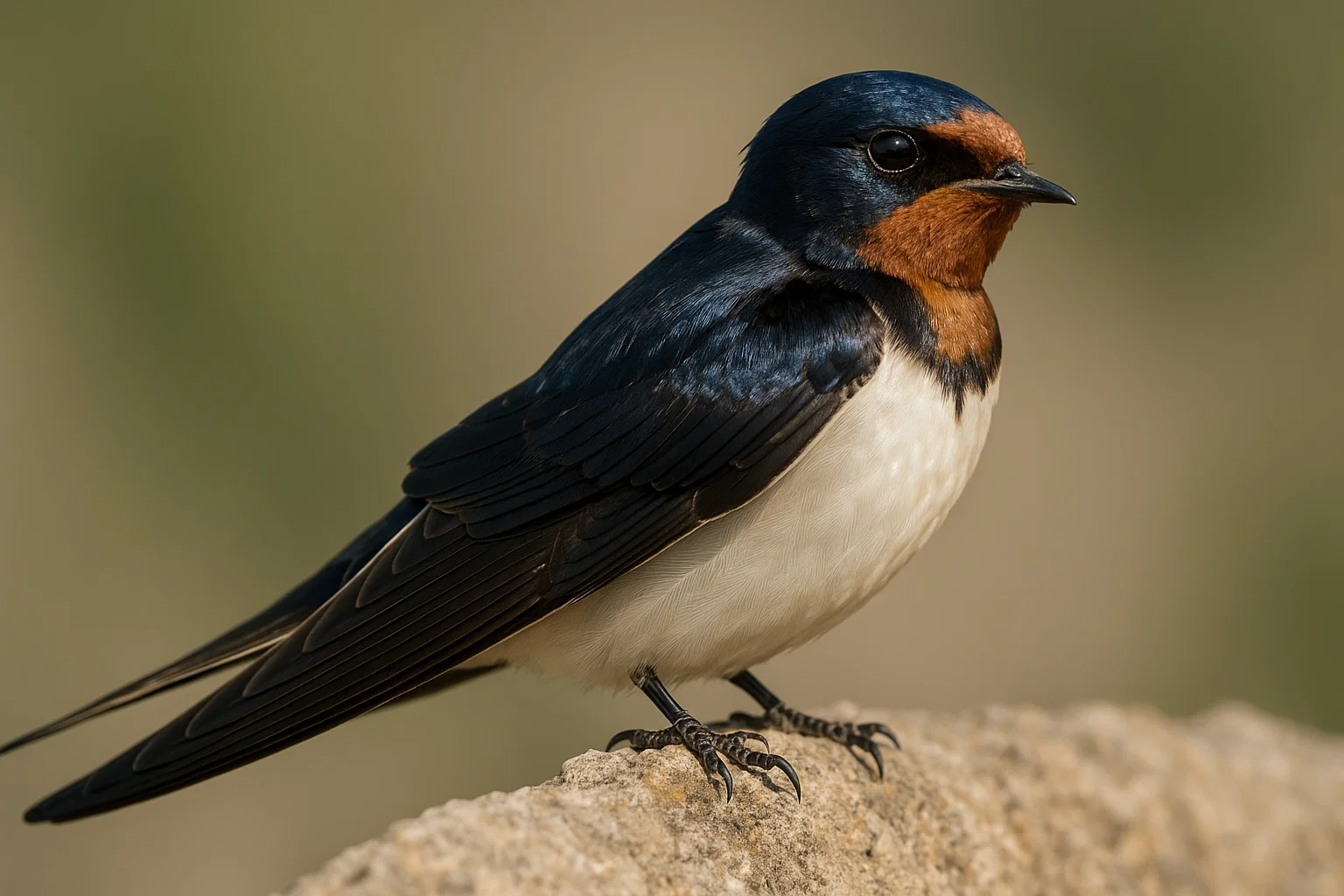
barn swallow(Hirundo rustica)
Stables / Meadows with livestock
Pure summer. Light belly, metallic blue back and reddish throat.
It makes its nest in stables and stables, flies low over livestock hunting for insects.
Time:spring-summer (migratory; in autumn it goes to Africa).
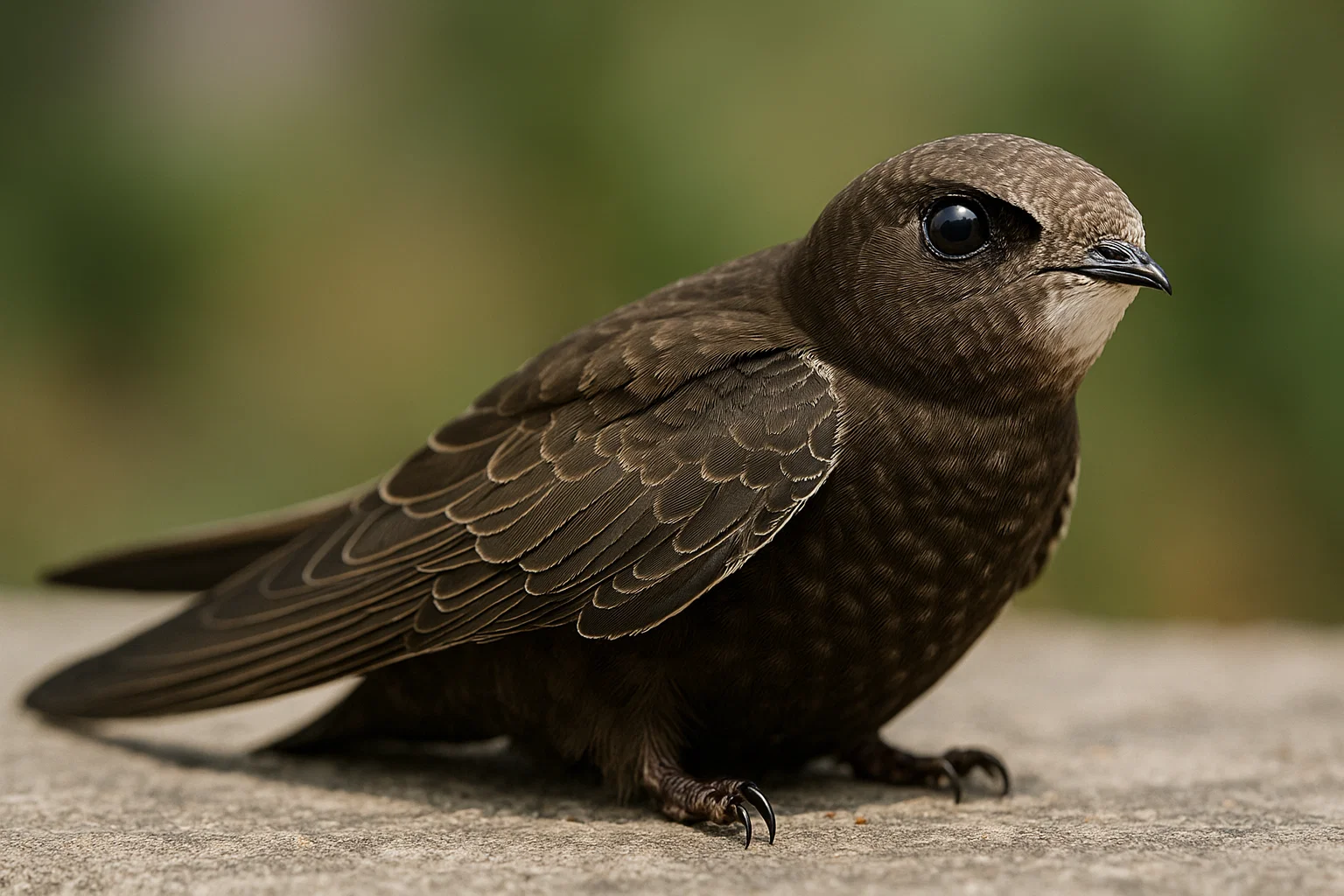
common swift(Apus apus)
Village skies
High-pitched cry in fast flocks over Potes at dusk.
Sickle-shaped silhouette. He spends almost his entire life flying.
Time:spring-summer.
Tip:Do not confuse with swallow (the swift is darker and has much more pointed wings).
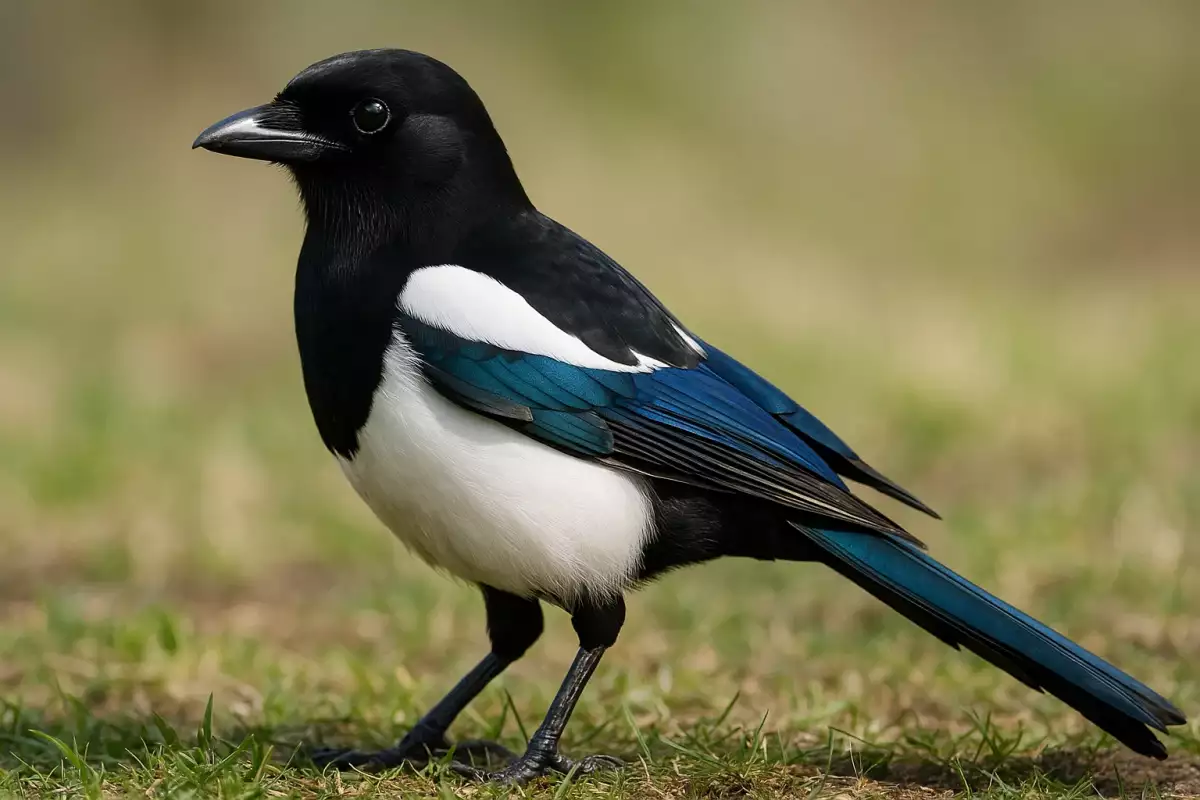
common magpie(Pica Pica)
Meadows / Rural garbage dumps
Black and white with bluish reflections. Intelligent and opportunistic.
Very common near houses, eating remains.
Time:all year.
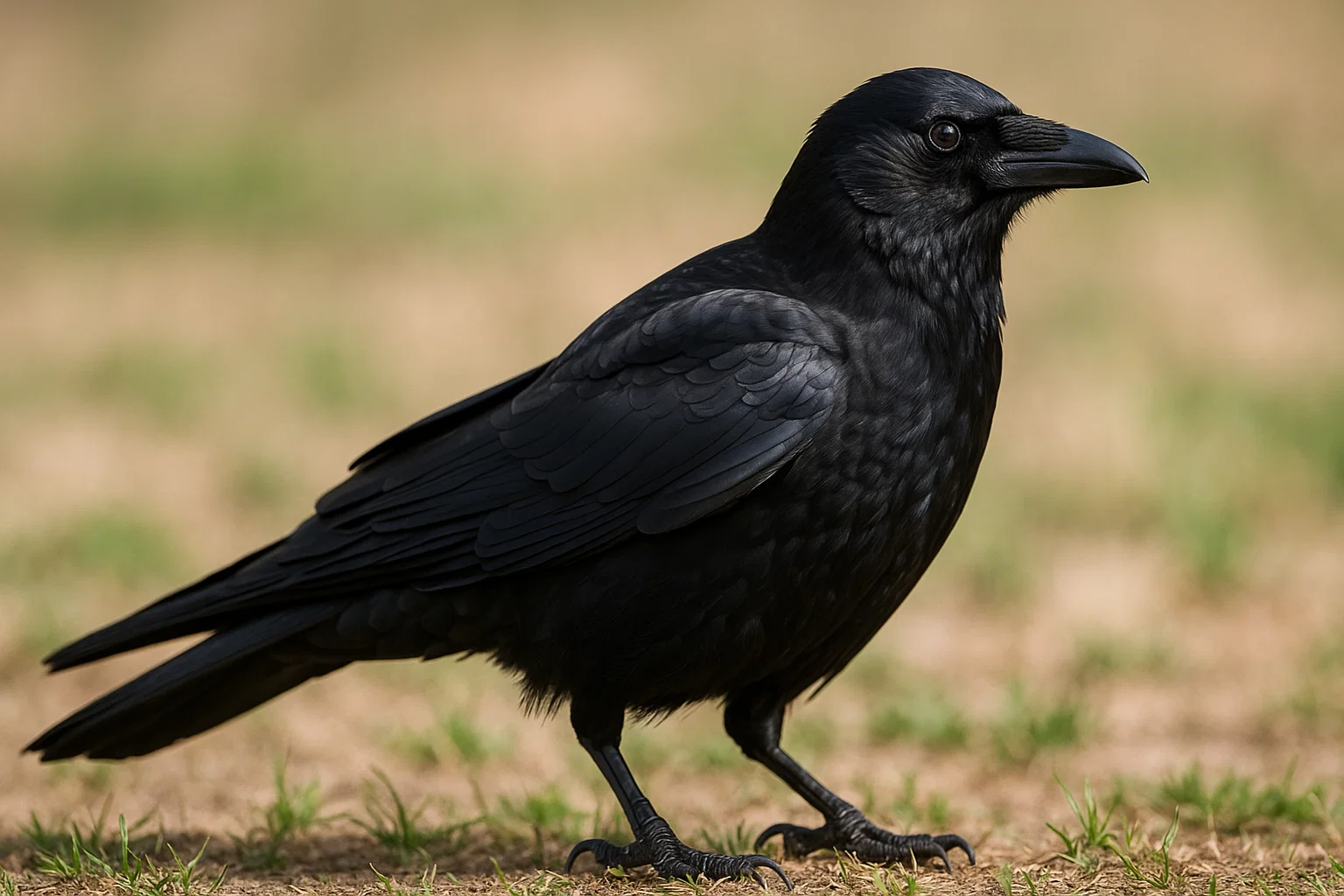
black crow(Corvus corone)
Valley / Grasslands / Road
Completely black, very smart. Patrols meadows and ditches.
In Liébana it is seen both in open rural areas and flying over the valley.
Time:all year.
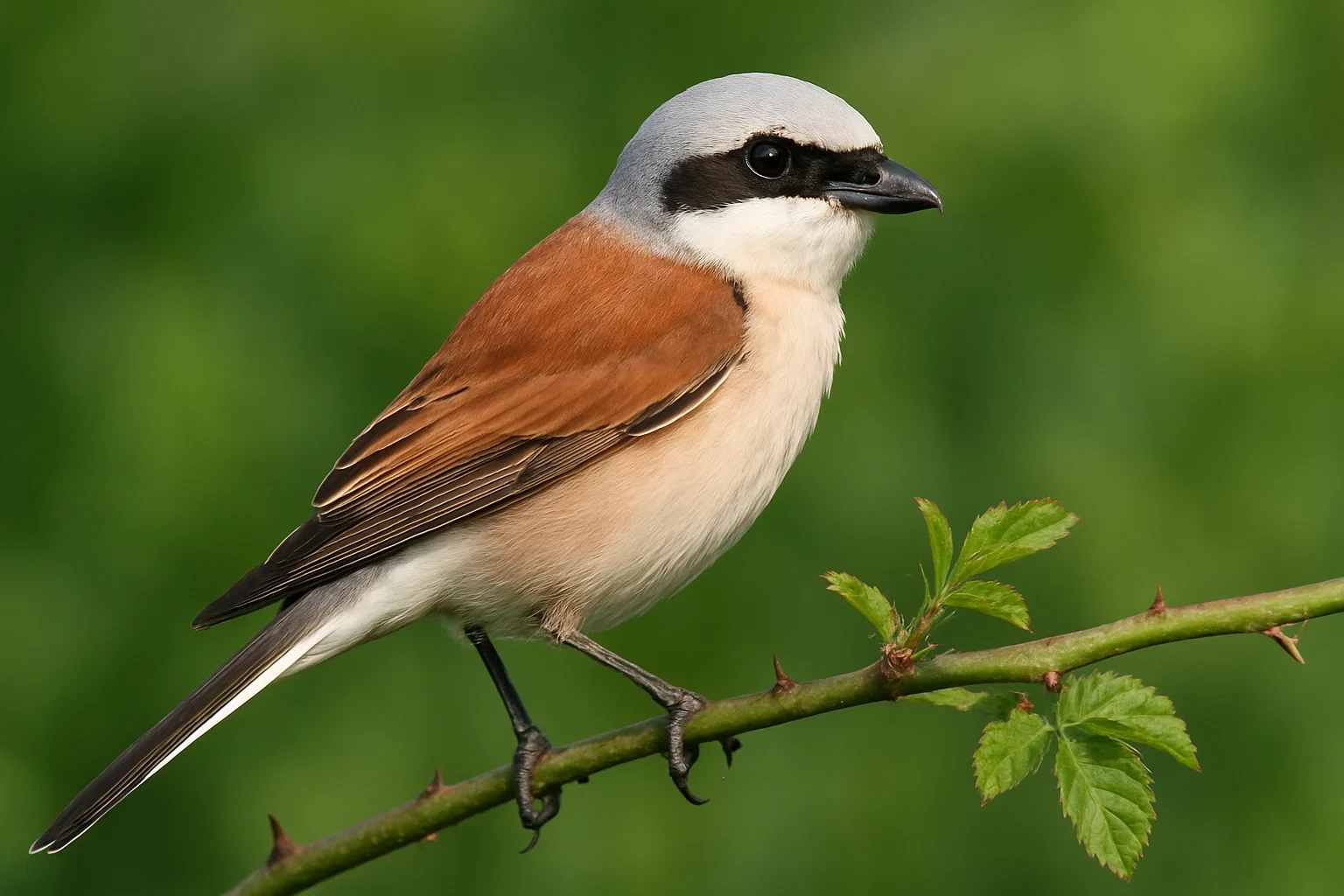
Red-backed Shrike(Lanius collurio)
Hedges with hawthorn / Brambles
Small insectivorous raptor. The male has a black mask and reddish back.
It perches on brambles and thorns to spy on prey (large insects, lizards).
Time:spring-summer (migrator; not present in winter).
Interest:species highly sought after by observers who visit Liébana.
3. RIVERS, BANKS AND WET AREAS
3. Riverside and waterway birds
Deva River, mountain streams, ditches, cold pools and shady waterfalls.
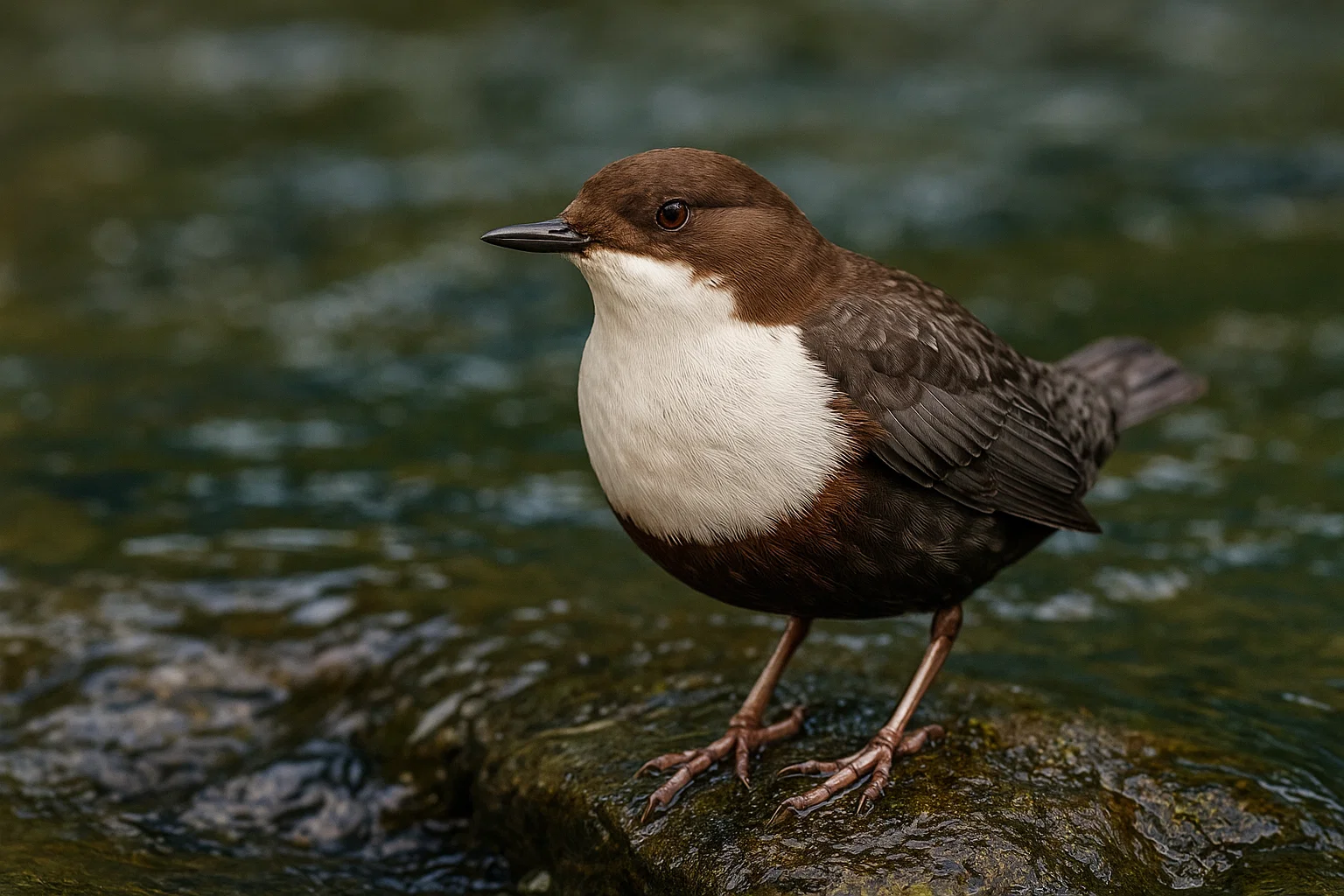
European Dipper(Cinclus cinclus)
Cold water river / Currents
Small and dark with a white bib. Literally walk into running water
looking for larvae. Very typical of clean mountain streams in Liébana.
Time:all year round in clear streams.
Tip:Observe it from rural bridges, without going down to disturb it.
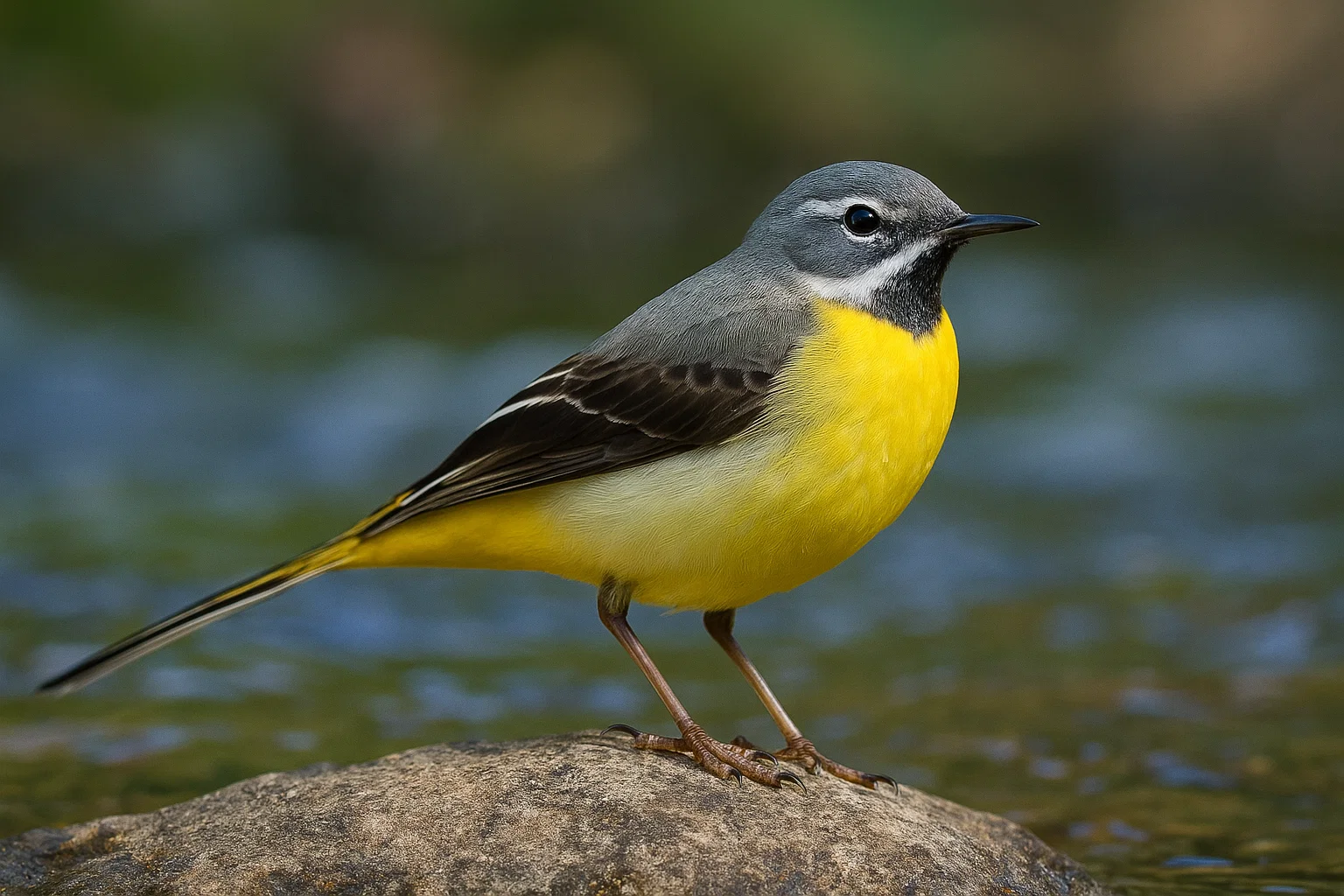
Cascade Wagtail(Motacilla cinerea)
mountain streams
Very stylized, very long tail, bright yellow belly.
Always close to fast, clean waters.
Time:all year round in Liébana, especially stony sections with waterfalls.
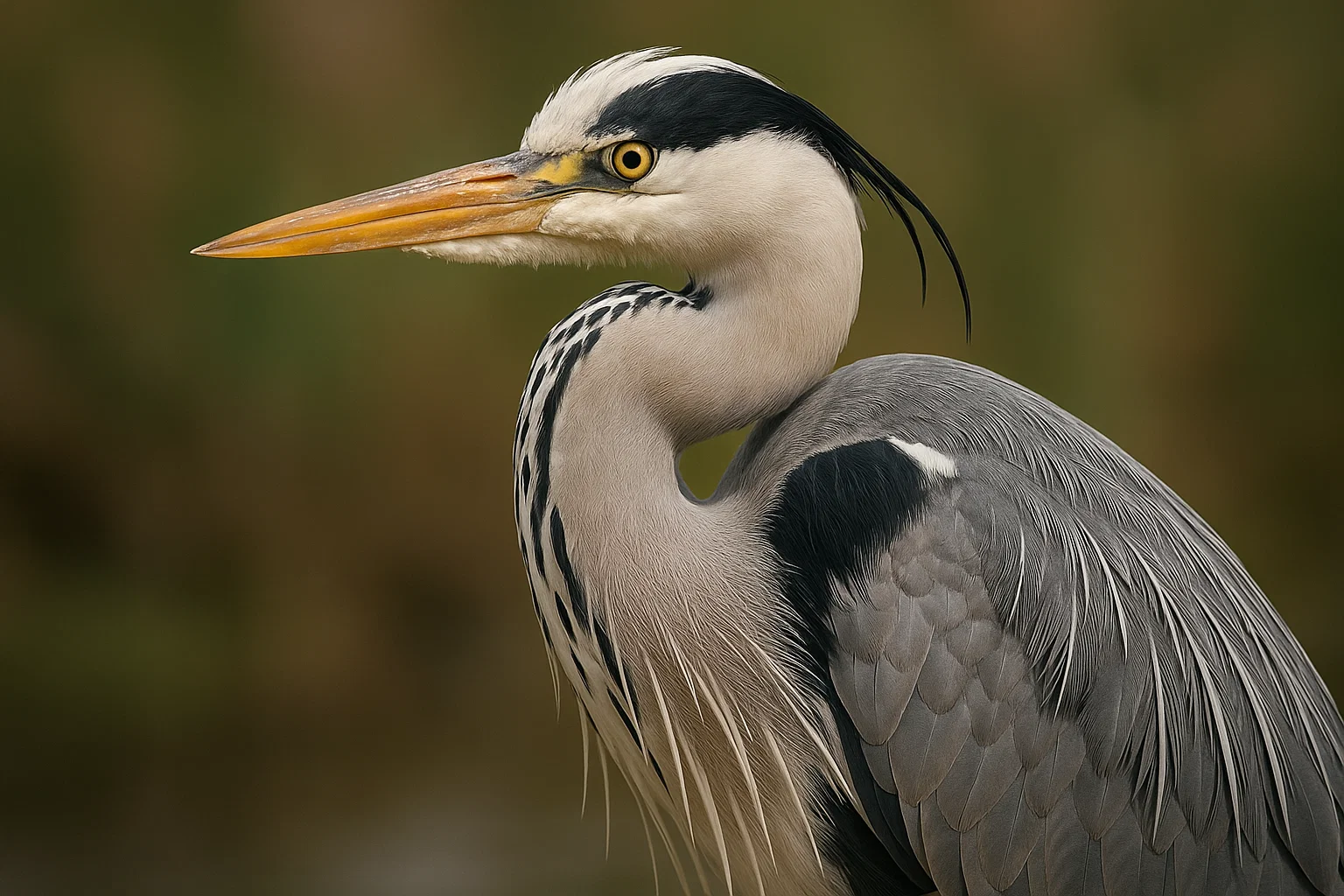
Gray Heron(Ardea cinerea)
Calm shores / Lower valley pools
Tall, gray, with an S-neck. It remains motionless fishing in calm meanders.
Less common in very high areas, easier at lower levels of the valley.
Time:present almost all year round, especially autumn-winter.
4. HIGH MOUNTAINS / ROCKS / SUMMITS
4. Alpine species and high mountain rocks
Limestone walls, late snowfields and subalpine pastures above Fuente Dé.
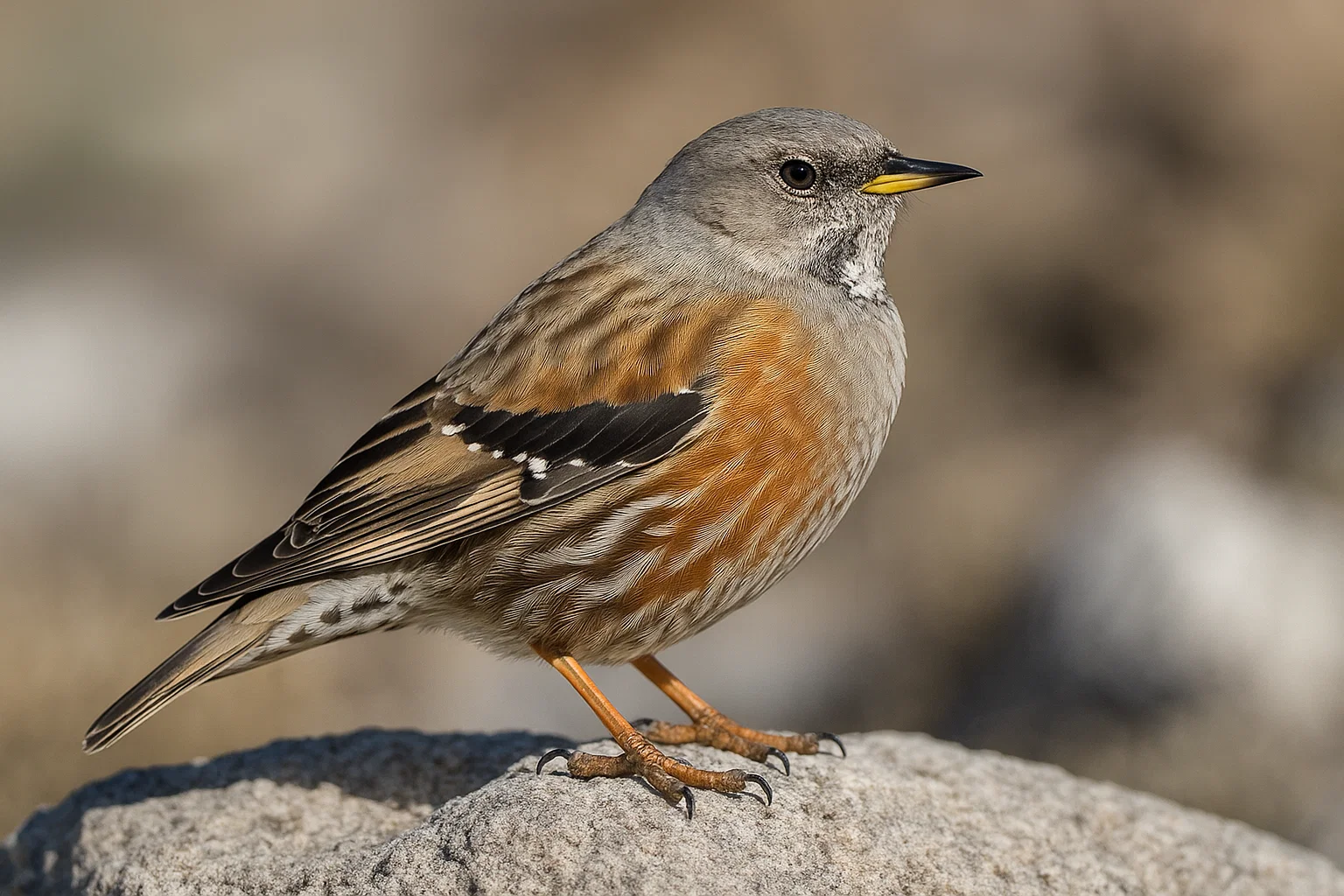
Alpine Accentor(Prunella collaris)
rocky summit
Alpine specialist. Pretty confident if you sit calmly.
You will see it near high viewpoints and shelters after taking the Fuente Dé cable car.
Time:almost all year at high altitudes; In bad weather it drops a little.
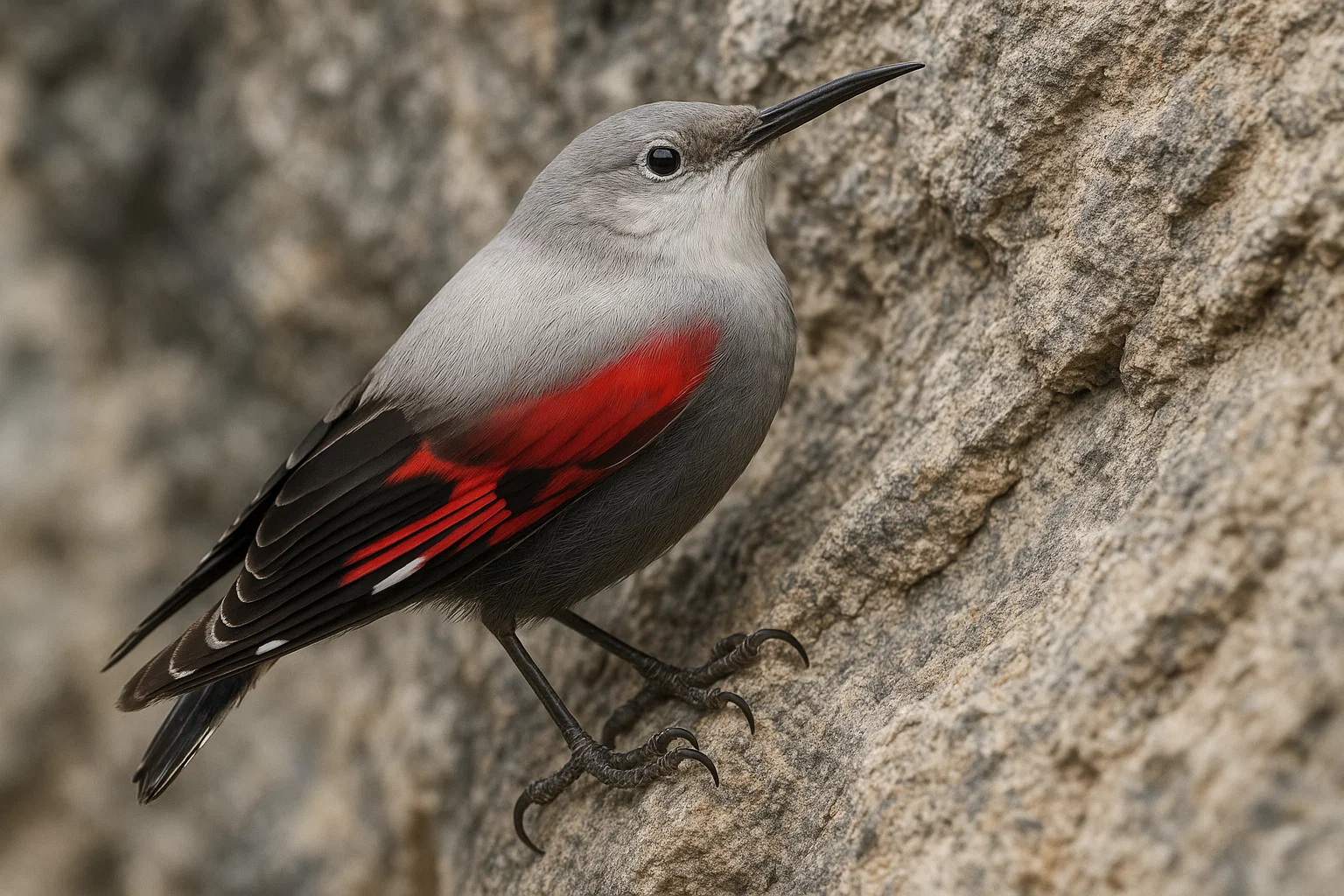
Wallcreeper(Tichodroma muraria)
Vertical limestone wall
Jewel of Picos de Europa. It looks like a butterfly stuck to the wall:
dark wings with carmine red spots. Highly sought after by ornithologists who visit Liébana.
Time:present all year round on high walls; In winter it can drop somewhat.
Typical place:limestone walls visible from the upper part of Fuente Dé.
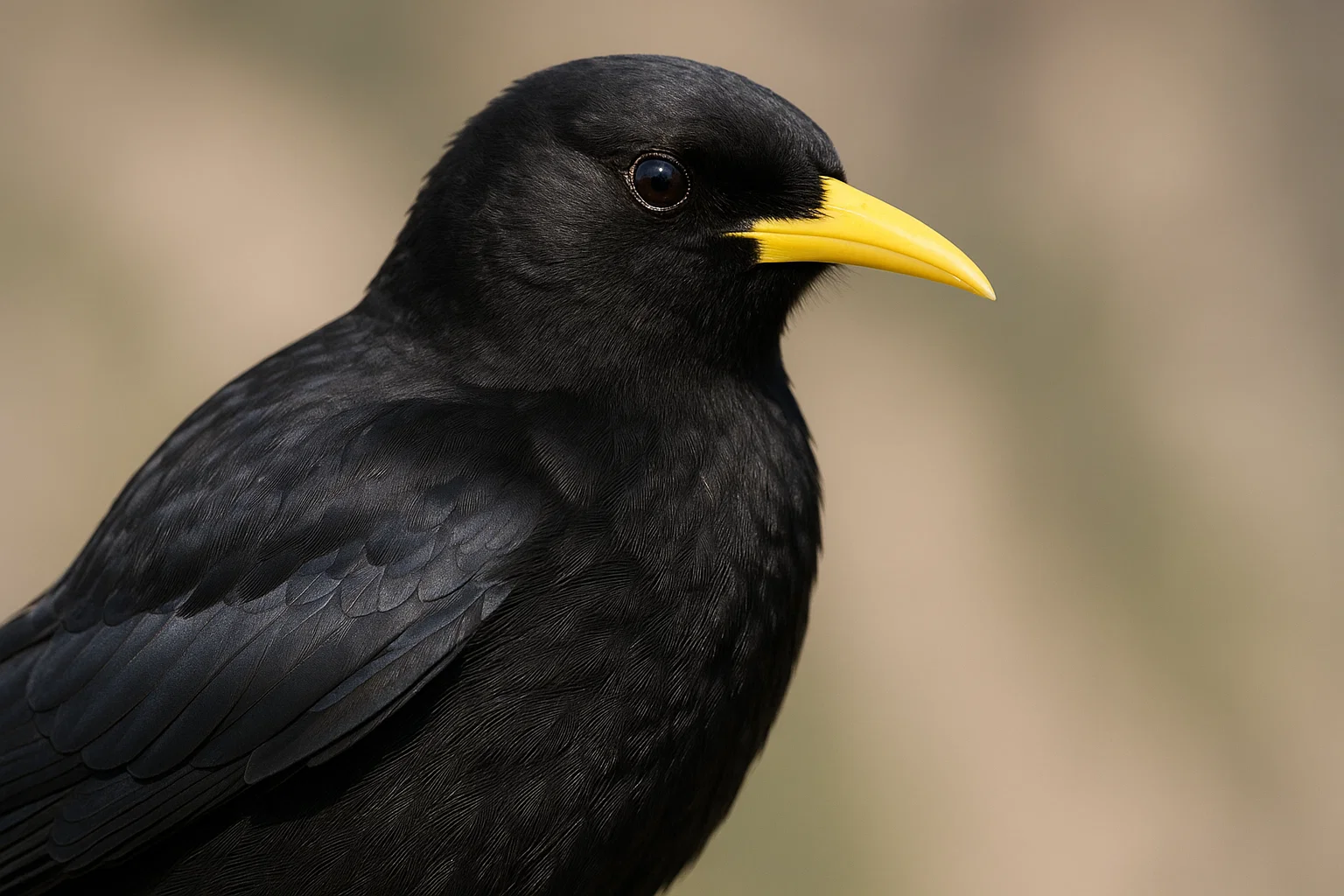
Yellow-billed chough(Pyrrhocorax graculus)
Summits / Refuges / High viewpoints
Glossy black, curved yellow beak, red legs.
Sociable, often close to mountain huts (and your snack).
Time:all year round above the forest.
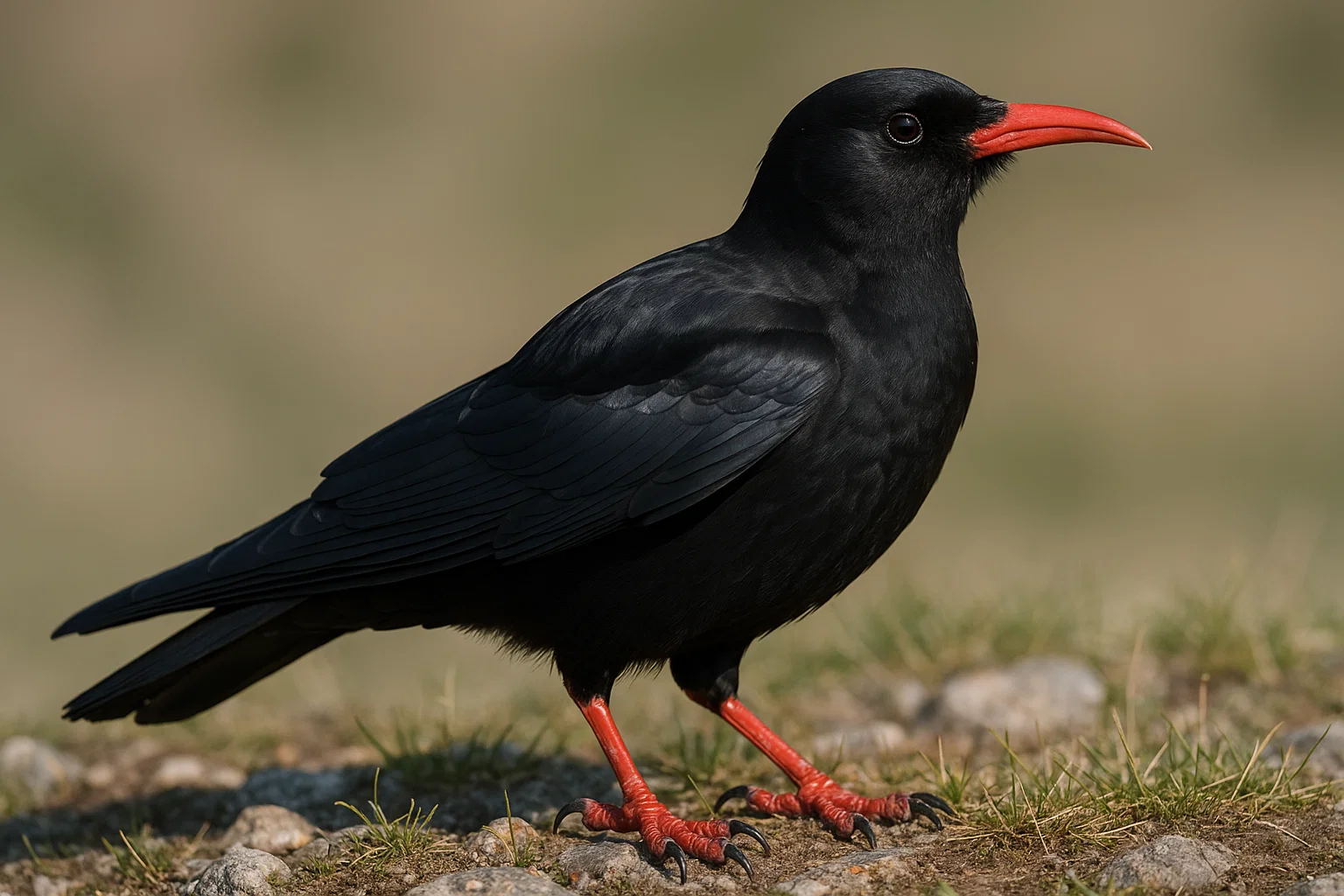
Red-billed chough(Pyrrhocorax pyrrhocorax)
Limestone cuts / Alpine pastures
Similar to the piquigualda but with a longer and curved bright red beak.
Fly in groups doing acrobatics over the limestone abysses.
Time:all year round in mowed and tall grasses.
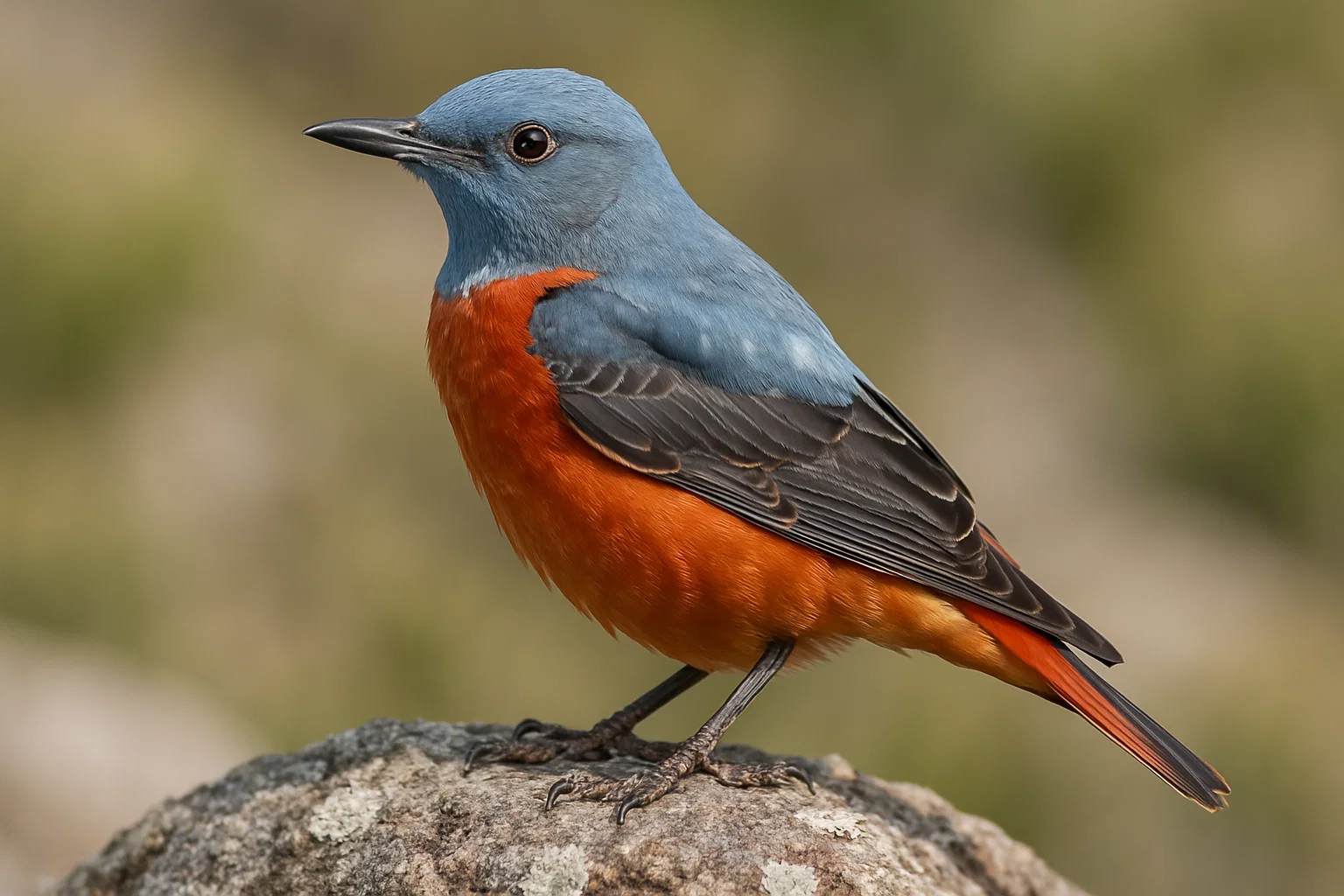
red rocker(Monticola saxatilis)
Sunny slopes / Pedreras
Spectacular male: grayish blue head and bright orange breast.
In Liébana it is associated with quarries and warm rocky clearings in the mid-high mountains.
Time:spring-summer (it is a reproductive migrator).
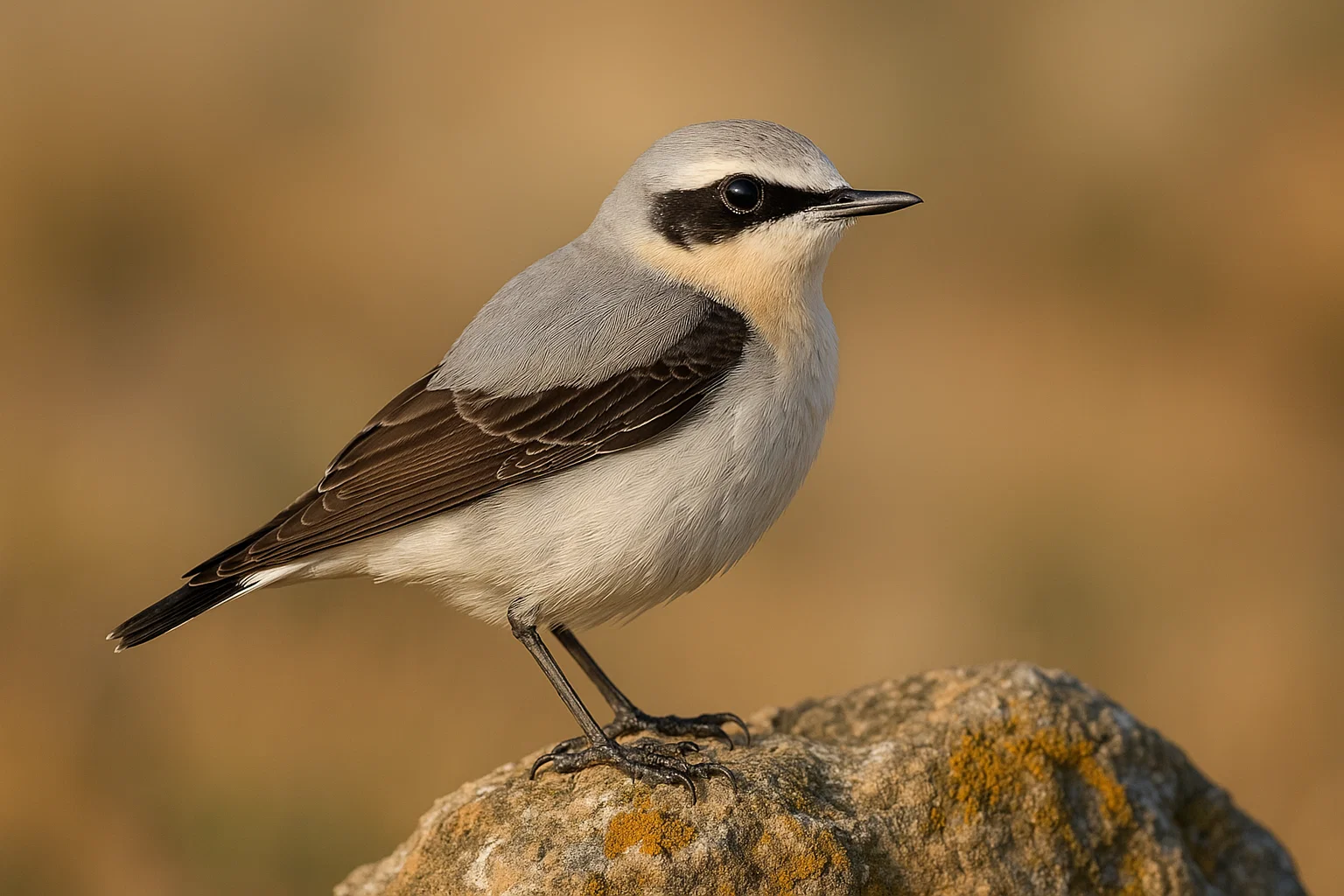
Gray Wheatear(Oenanthe oenanthe)
Stony pastures / High mountains
Small, clear, with a black mask on the male.
It perches on low rocks and makes short flights to hunt insects.
Time:spring-summer; migratory, in winter it disappears.
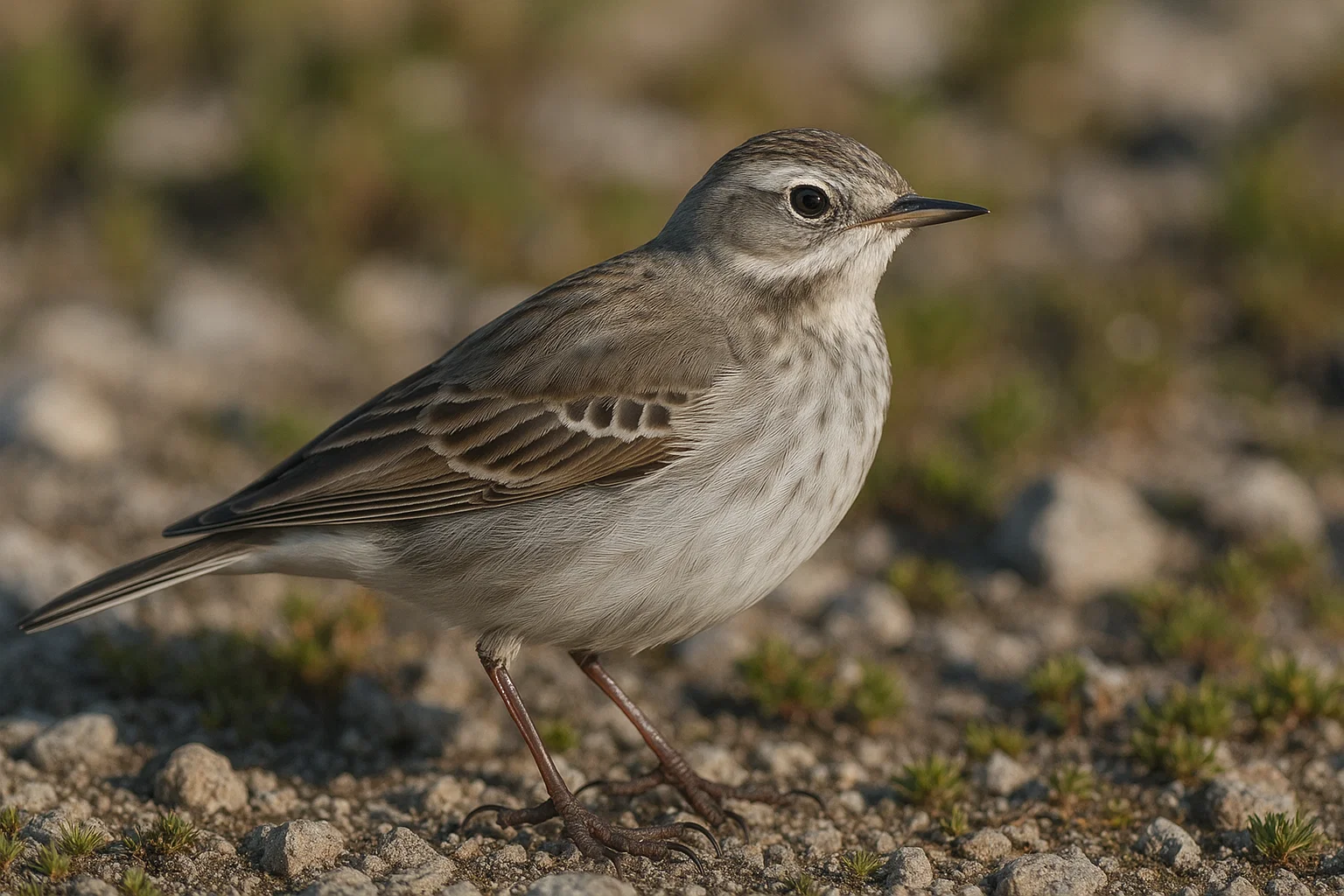
alpine pipit(Anthus spinoletta)
Very tall grasses / Wet high altitude areas
Small brown striped bird walks on the ground in waterlogged high mountain meadows.
Easier to see outside the breeding season when the elevation drops a little.
Time:late summer, autumn, winter at medium-high altitudes.
5. LARGE PREDATORS AND CARRIERS
5. Large birds of prey from Liébana
Iconic, powerful and a sign of a healthy ecosystem. Many are seen gliding over gorges and limestone slopes.
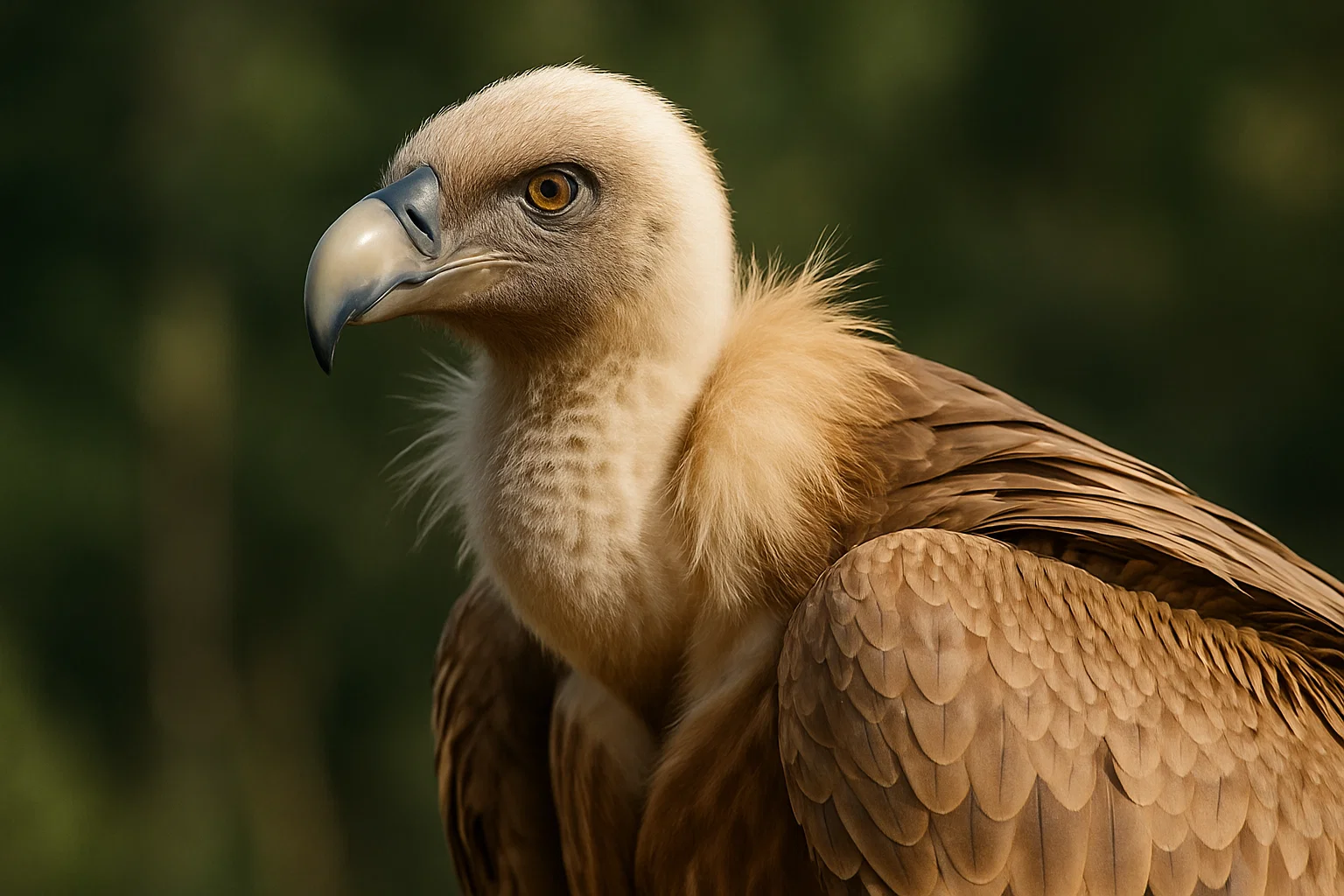
griffon vulture(Gyps fulvus)
Limestone cuts / Valley thermals
Huge scavenger raptor. Long wings with very marked “fingers”.
In Liébana, several individuals are often seen spinning in a circle taking advantage of currents of hot air.
Wingspan:up to ~2.5m.
Time:all year.
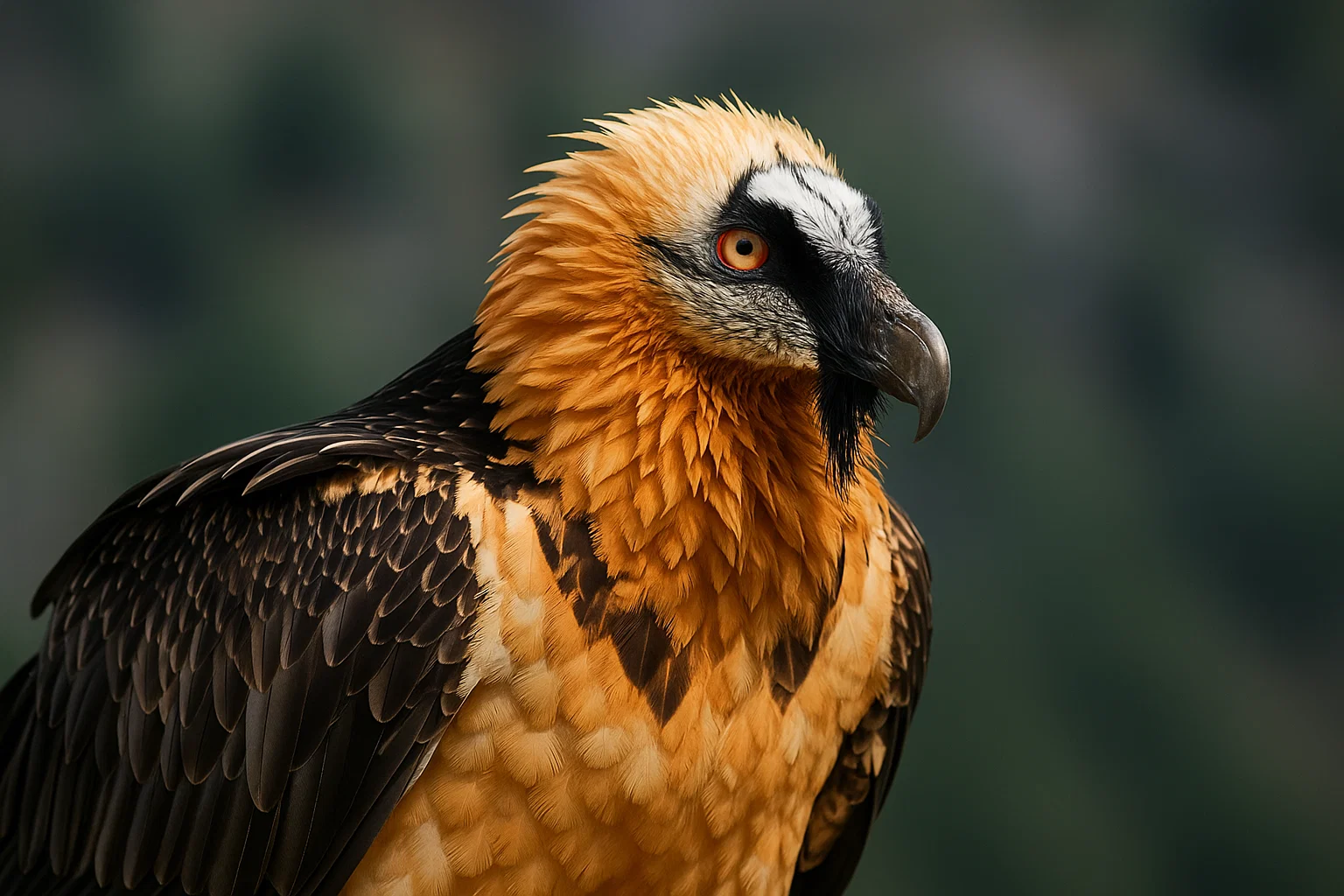
Osprey(Gypaetus barbatus)
In case of possible poisoning, take the remaining mushroom/vomited remains to the hospital.
The legend of Picos de Europa. Diamond-shaped tail, black beard under the beak,
orange chest (stained with oxides). Break bones to eat the marrow.
Wingspan:up to ~2.8m.
State:highly protected species, symbol of conservation.
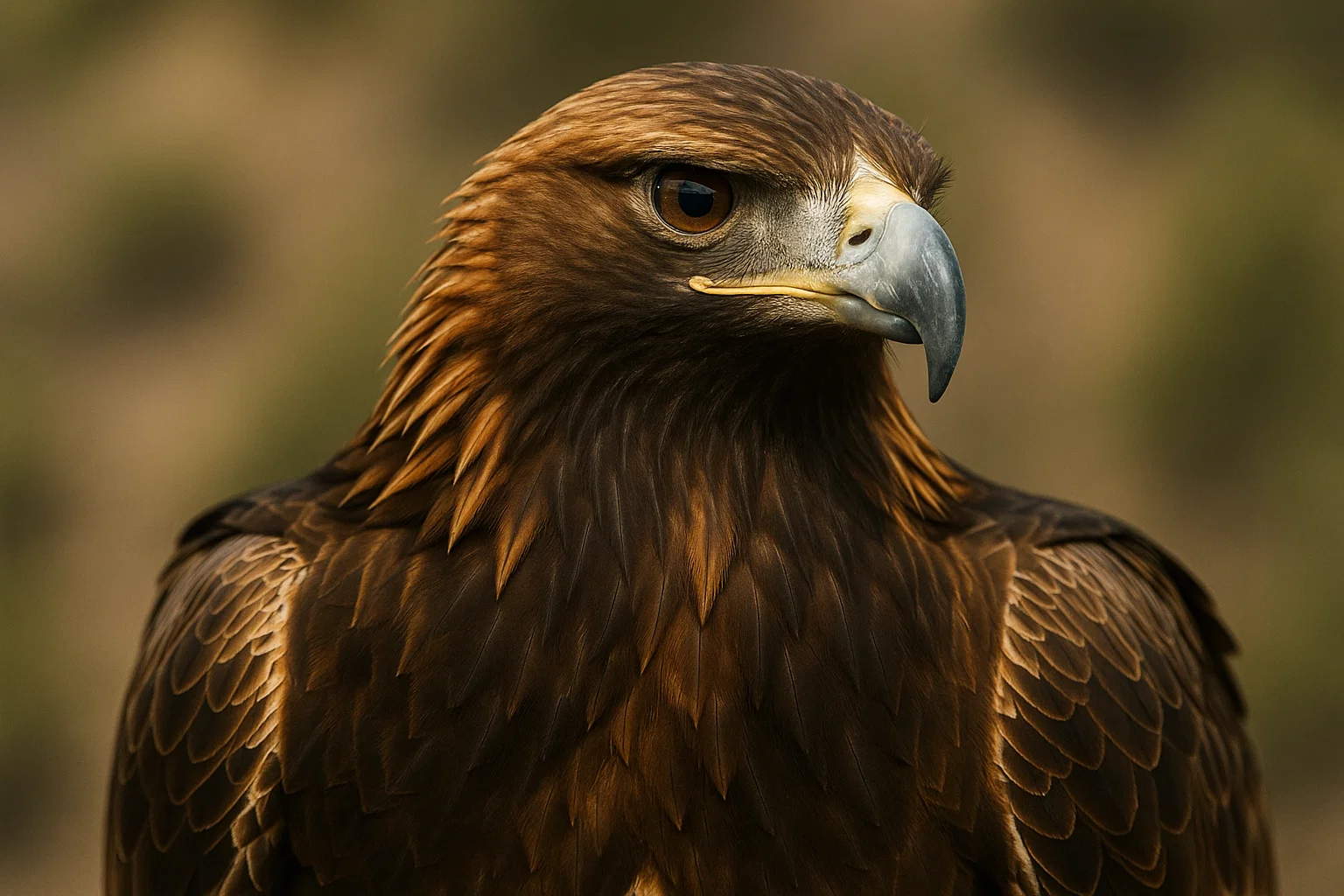
golden eagle(Aquila chrysaetos)
Summits / Rocky cliffs
Great mountain jacket. Robust silhouette, wide wings, long tail.
Watching it patrol the limestone walls of Liébana is spectacular.
Wingspan:~2m.
Time:all year round (territorial).
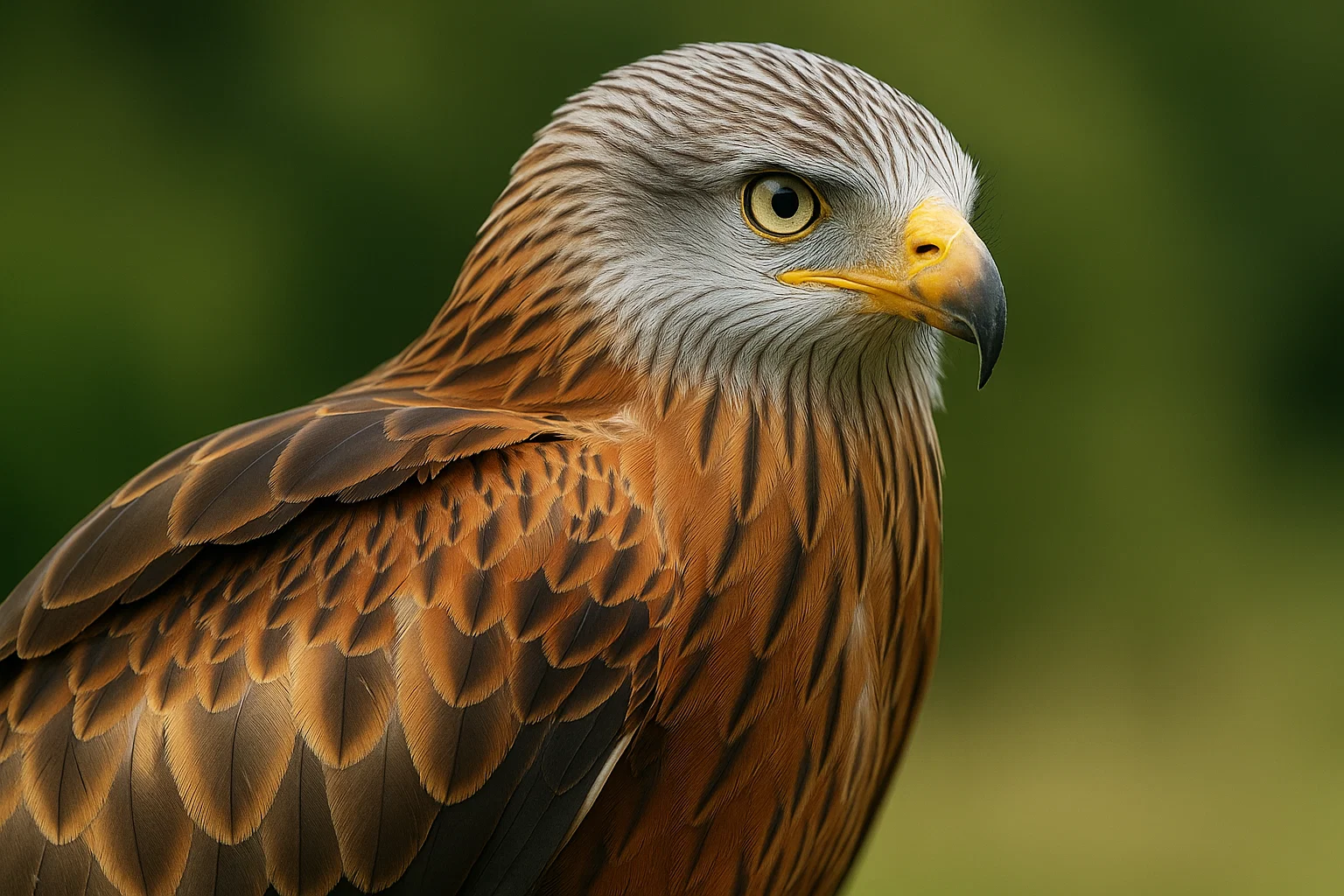
red kite(Milvus milvus)
Valley / Meadows / Secondary roads
Very marked V-shaped reddish tail. Glides low over the meadows looking for small animals
or remains. Frequent in low areas of the valley.
Time:all year.
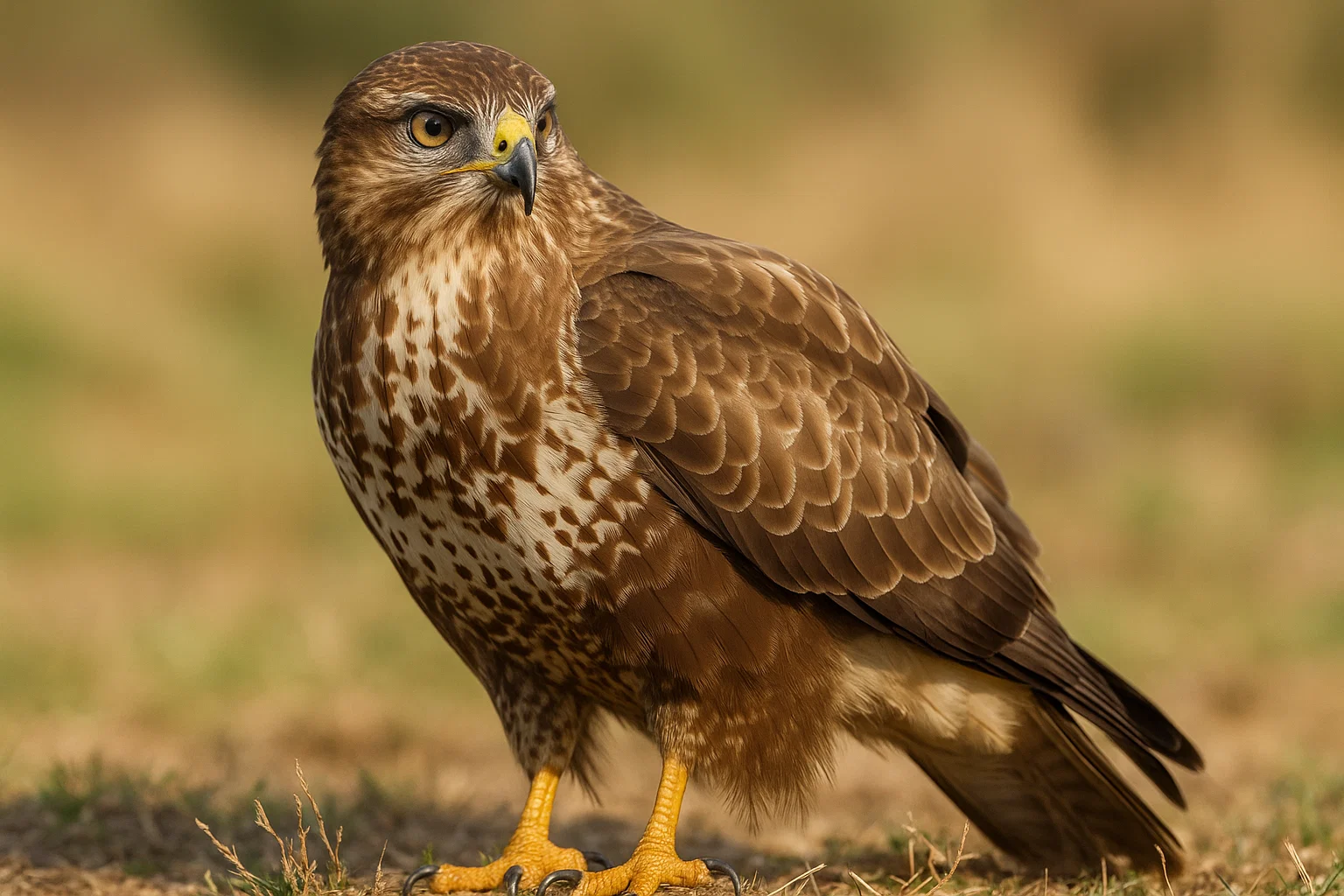
common buzzard(Buteo buteo)
Meadows / Roads / Electric poles
Very common medium raptor. Variable mottled brown.
It is usually seen perched on posts looking at the meadow, or in gliding flight with wide wings.
Time:all year round at low and medium levels of the valley.
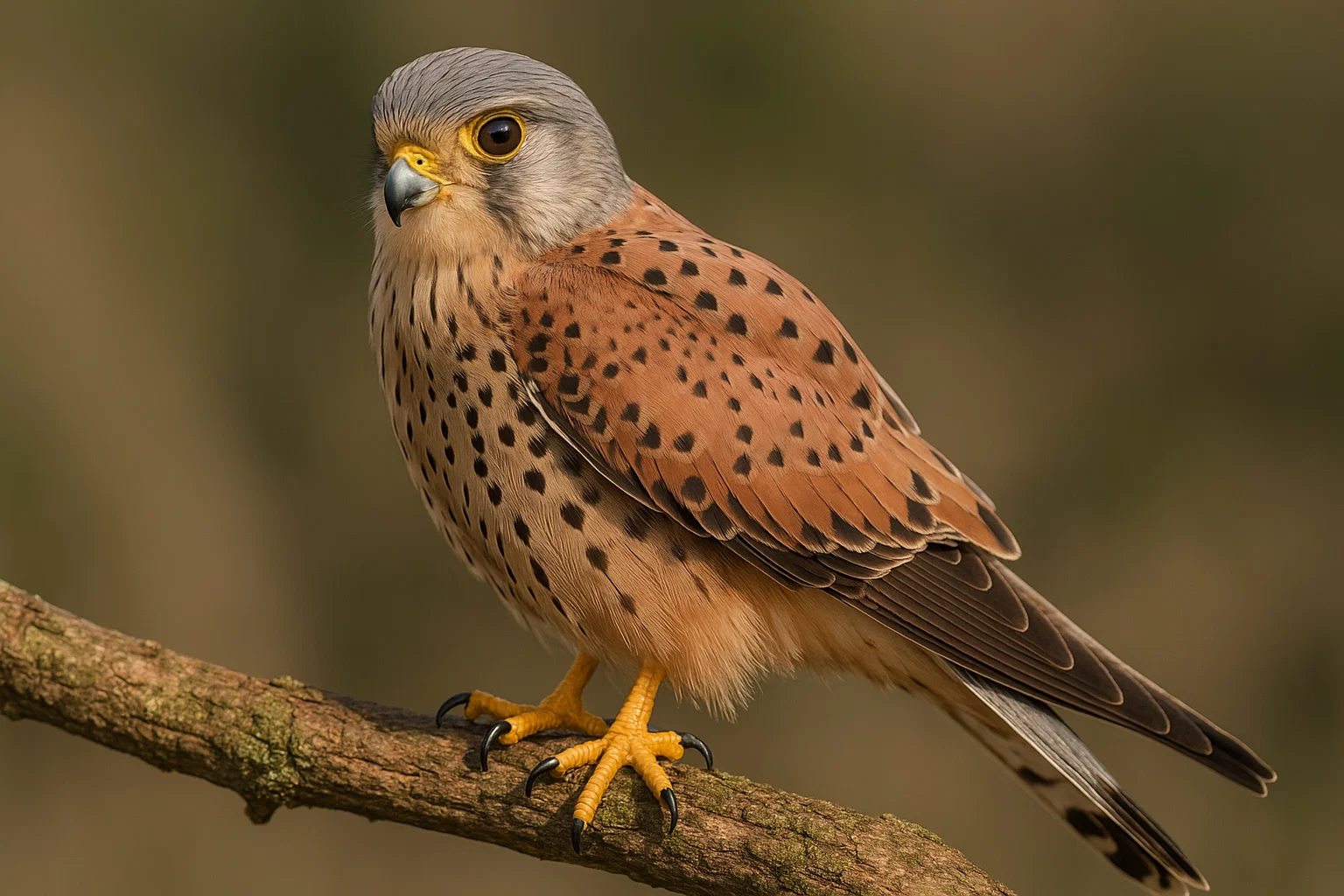
Kestrel(Falco tinnunculus)
Grasslands / Villages / Roadsides
Little brown hawk. Stays suspended in the air (helicopter style flight)
looking for mice or large insects. Very visible even from the road.
Time:all year round at low and medium altitude.
6. PRACTICAL TIPS
6. Quick tips for bird watching in Liébana
Binoculars:8x32 or 8x42 are suitable for almost everything:
dark forest, open meadow and half mountain.
I respect:Do not approach nests or freshly fledged chicks.
The photo is never worth more than the bug.
Silence:At spring dawn the song guides you more than the sight.
Learn 3-4 common songs (robin, chaffinch, titmouse) and you will see how you “see” more.
Weather:After a light rain, meadows and orchards explode with activity.
After a cold summer morning at altitude, the birds of prey take advantage of the first sun.
Mountain:Fuente Dé seems close, but upstairs is another station.
Wear a coat even in July.
7. ROUTES AND MAP
7. Bird watching routes in Liébana
Selection of key itineraries for thebirdwatchingin the region,
that cover from the Atlantic forests to the high Cantabrian mountains.
Porcieda Forest Route (Potes)
An essential family tour that starts near Potes.
This path crosses one of the best preserved cork oak forests and enters a mixed forest with oaks and beech trees.Key species:Being a transition of habitats, it is excellent to see woodpeckers such as theblack whistle(hear their drumming on old logs) and theGreat Spotted Woodpecker.
In open bushland areas, keep an eye out for the Red-backed Shrike and, in the sky, for the Short-toed Eagle in summer.
Difficulty:Go down (marked trail).
Duration:~1h 30min one way.
Best moment:Early morning in spring or fall.
Argüebanes and the lower valley
Quiet walk through the rural area at the foot of the eastern massif.
The mosaic landscape (orchards, hedgerows, hay meadows) attracts large numbers of passerines.Key species:It is hunting territoryRed-backed Shrike(look at the tips of thorns) and Redstart blight.
On the cables and poles you will see Stonechats and Trigueros.
Don't lose sight of the sky: it is a common corridor for theOspreycoming down from Andara.
Difficulty:Low (track and local road).
Duration:Circular of ~2h.
Tip:Bring a terrestrial telescope if you want to examine the high rocks from below.
Fuente Dé Circus (High Mountain)
Going up the cable car you are at 1,834 m in the heart of the Picos de Europa.
It is a purely alpine ecosystem of limestone rock and grass.Key species:Specialists reign here. Healpine sparrowand theAlpine AccentorThey approach the cafeteria.
Look for the spectacularWallcreeperfluttering like a red butterfly on the vertical walls under the gazebo.
The Yellow-billed Choughs will almost certainly accompany you.
Difficulty:Medium (irregular mountain terrain).
Duration:From a quick visit to the viewpoint to full-day routes to Cabaña Verónica.
Warning:The fog comes in quickly; Check the weather before going up.
We are preparing a downloadable interactive map with these points and more "hotspots" in the region.
8. SEO FAQ
Frequently asked questions about ornithology in Picos de Europa
What is the best time to see birds in Liébana?
Thespring (May-June)It is the peak moment, with all the songs active and the summer species (such as the shrike) newly arrived.
However, winter offers large concentrations of alpine species (climbers) that descend to more accessible levels in the Hermida gorge.
Where can I see the Bearded Vulture in Cantabria?
Liébana is one of the best places. They are frequently seen patrolling the slopes ofFont Dé, the ports of Áliva and the Piedrasluengas Viewpoint.
Look for its unmistakable silhouette with a diamond-shaped tail.
Do I need special permits to observe or photograph?
For observation with binoculars from public trails, no.
But remember that you are in a National Park or SPA area.
Photography from a fixed hide or near nests requires strict permits from the park administration. When in doubt: don't go off the path.