Liébana is a valley closed by mountains. This allows large carnivores to coexist.
(Iberian wolf), nocturnal mesocarnivores (badger, marten, marten)
and small mouse-hunting weasels on the stone walls.
Almost none of them look easy. You “see” most of them by trail:
footprints, excrement, food remains, scent marks.
This guide helps you know who lives there without disturbing them.
1. FOREST / BEECH / OAK grove
1. Forest and beech carnivores
Old beech forests, damp oak groves, shadowy ravines, fallen wood.
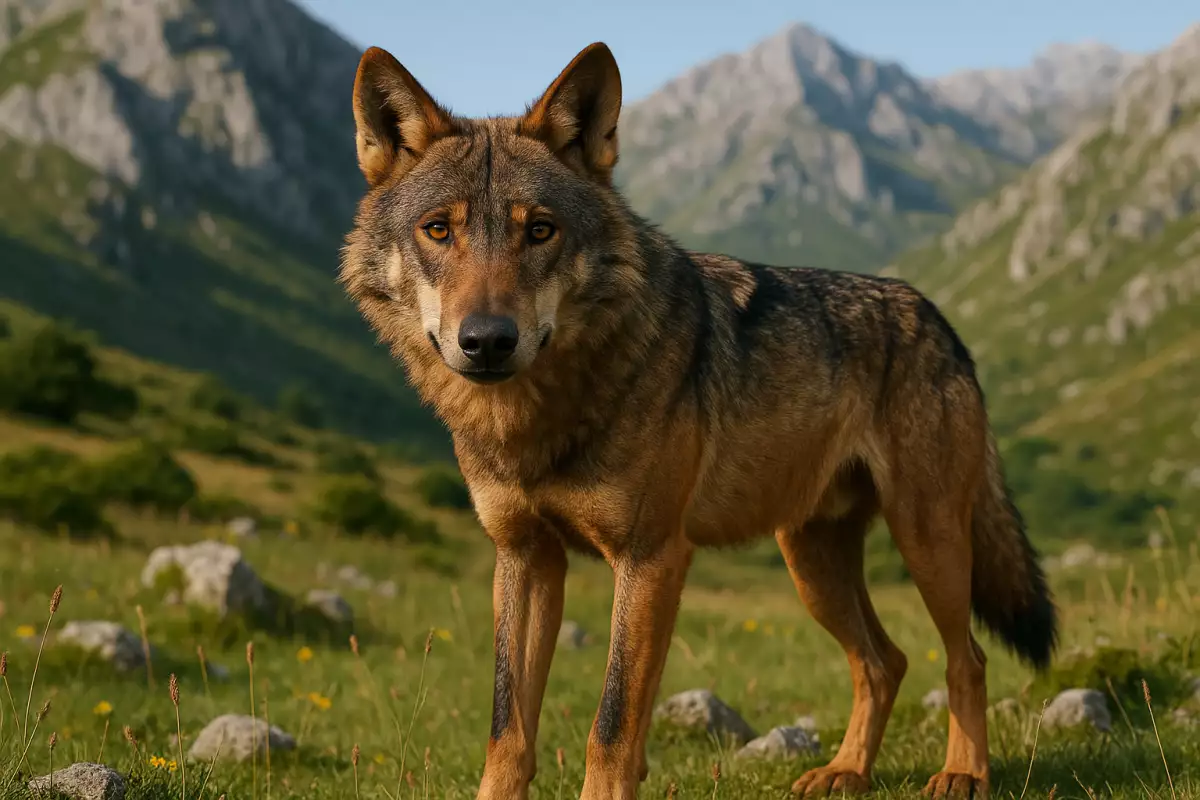
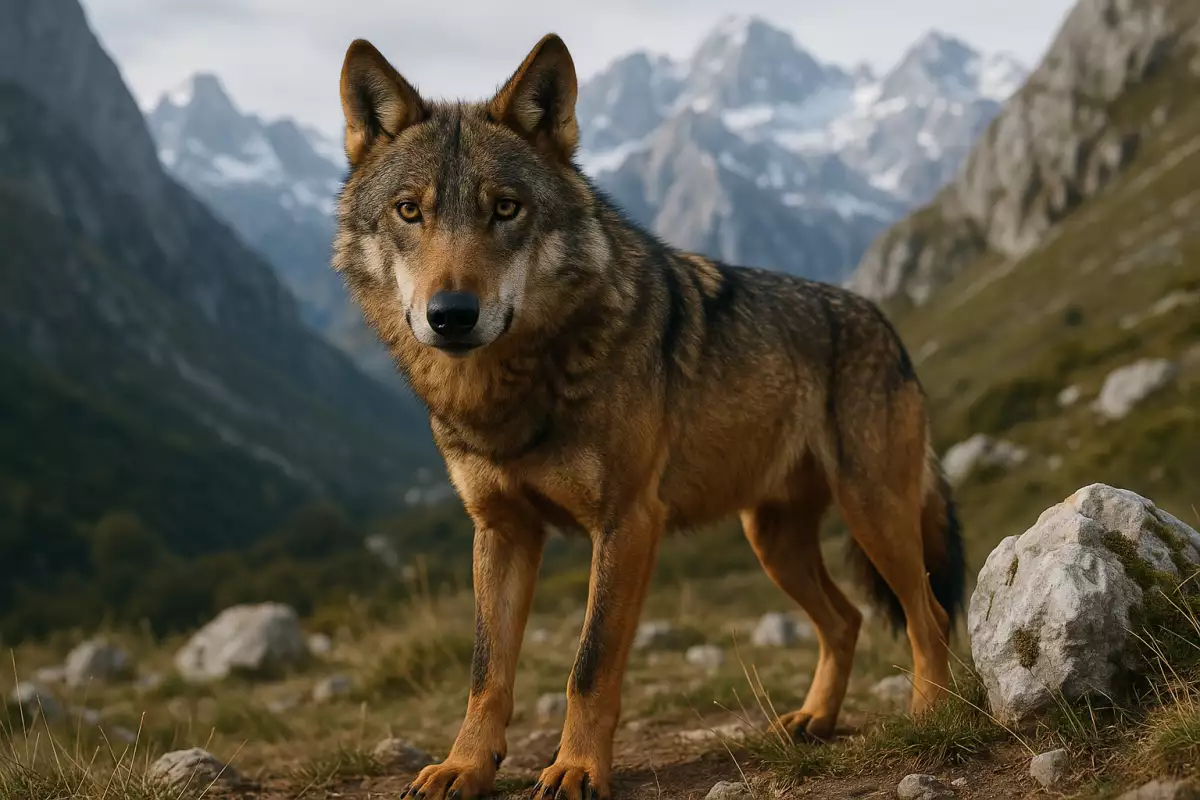
Iberian wolf(Canis lupus signatus)
Forest / Mid-mountain
Top predator of the Cantabrian mountain range.
Grayish brown fur with dark spots on the front legs.
It moves in small family groups.
Typical trace:large dog-like footprints but more linear, excrement with hair and bone.
Diet:roe deer, wild boar, carrion, sometimes cattle.
See it:sunrise/sunset, grass clearings between forest and braña.
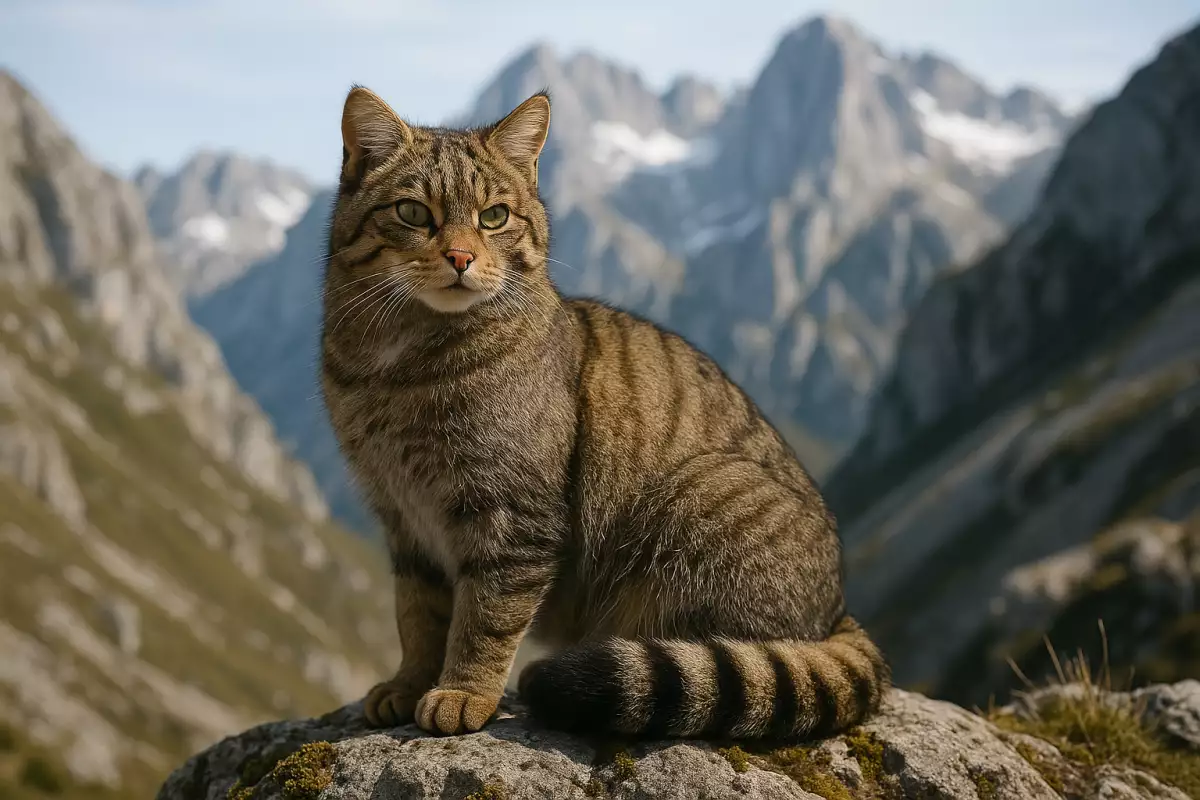
Wildcat(Felis silvestris)
Dense forest/Scrub
It looks like a strong domestic cat, but the tail is thick and marked with black rings.
Nocturnal hunter of mice and voles.
State:sensitive species; avoid harassing him for photo.
Real danger to humans:none. Always run away.
Where:quiet forest edges far from towns.
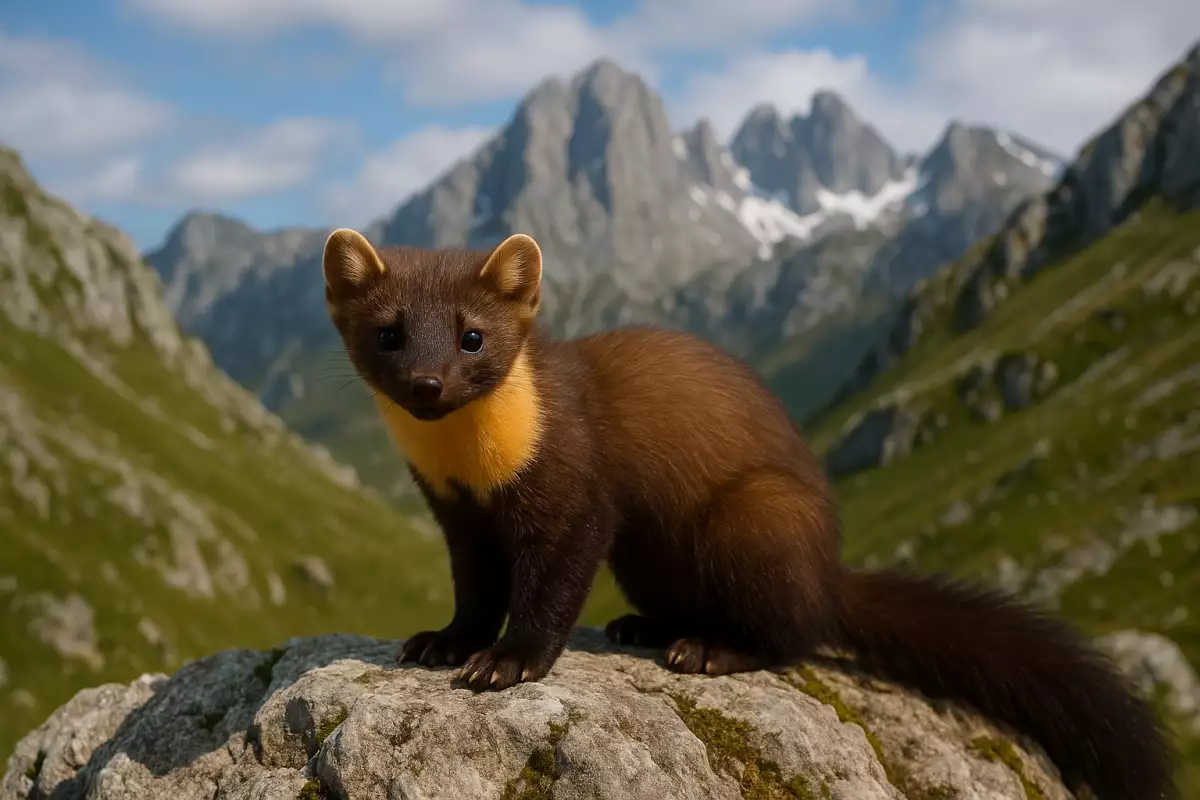
European marten(Tuesday Tuesday)
mature beech
Stylish mustelid, very agile between branches.
Yellow spot on the neck.
Indicator of well-preserved forest.
Diet:micromammals, birds, fruits of the forest.
Trace:excrement with remains of hair and fruits on fallen trunks.
See it:extremely difficult; night cameras.
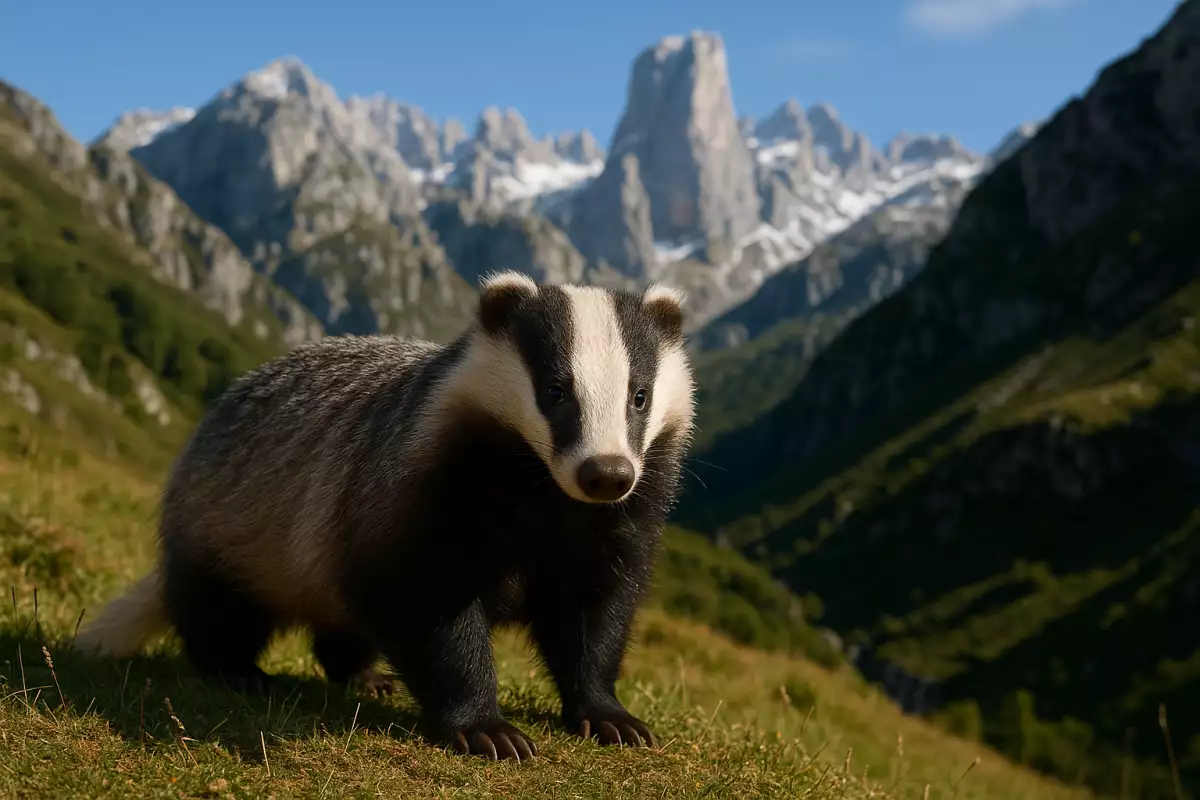
Badger(Meles meles)
Wet forest / Soft slopes
Low and robust body, white head with black stripes.
Excavate authentic underground “houses” (tejoneras).
Very nocturnal.
Diet:worms, insects, fruit, small vertebrates.
Footprints:five well marked fingers and strong nails.
I respect:Don't block badger entrances, it's their family home.
2. MEADOWS, VILLAGES AND HUMAN AREAS
2. Carnivores of meadows, stables and towns
Rural mosaic: stone walls, barns, stables, stables and orchards.
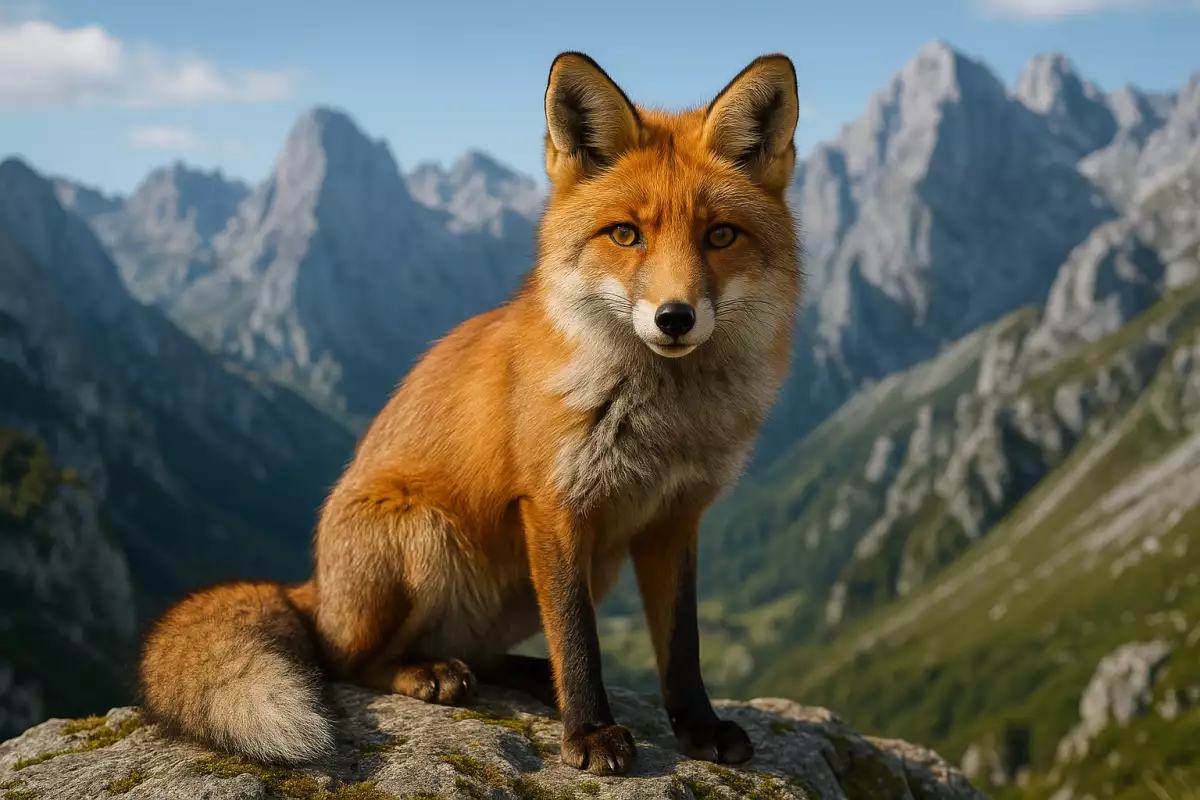
red fox(Vulpes vulpes)
Meadows / Edge of town
Huge, reddish tail, thin snout. Total opportunist:
He eats mice, chickens if he can, fallen fruit and even garbage.
See it:sunset in meadows with tall grass.
Trace:dark droppings with hair/bone debris on rural roads.
Danger:basically null if you don't corner him.
GARDUÑA
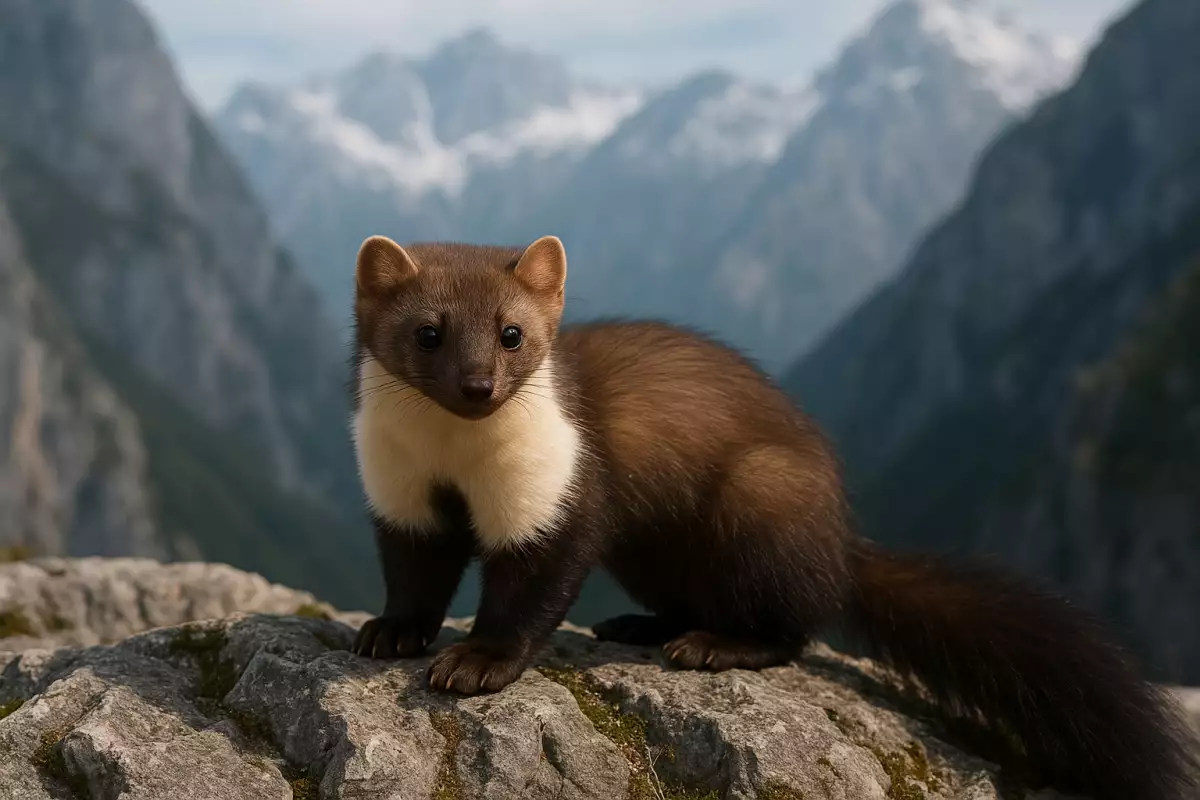
Garduña(tuesday foina)
Barns / Old Houses
Similar to marten but more homely.
Large white spot on the chest.
Sometimes it sleeps in attics, haystacks or under roofs.
Diet:rodents, eggs, ripe fruit.
Typical sign:night noises on old roofs.
Confusion:Local people call her “marten” even though she is a marten.
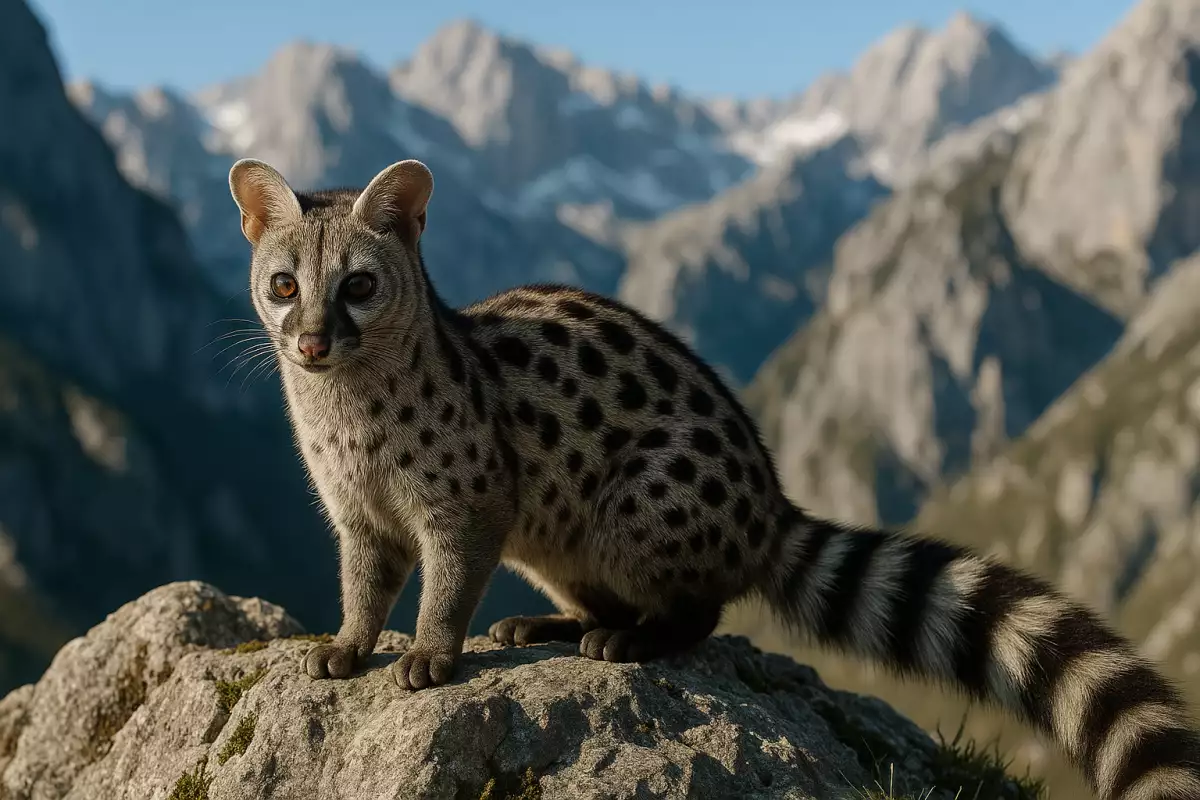
Genet(Genetta genetta)
Thicket / Haystacks
Stylized, spotted body, very long striped tail.
It's not a cat: it's another type of carnivore.
Very nocturnal and silent.
Diet:Mice, small birds, lizards, ripe fruit.
Trace:elongated droppings with remains of hair/feathers on high points such as rocks or walls.
See it:almost impossible with the naked eye; night cameras yes.
3. RIVERS, BANKS AND WET MEADOWS
3. Carnivores linked to riverbanks and humid areas
Banks of the Deva, cold irrigation ditches, flooded meadows, stone walls with moss.
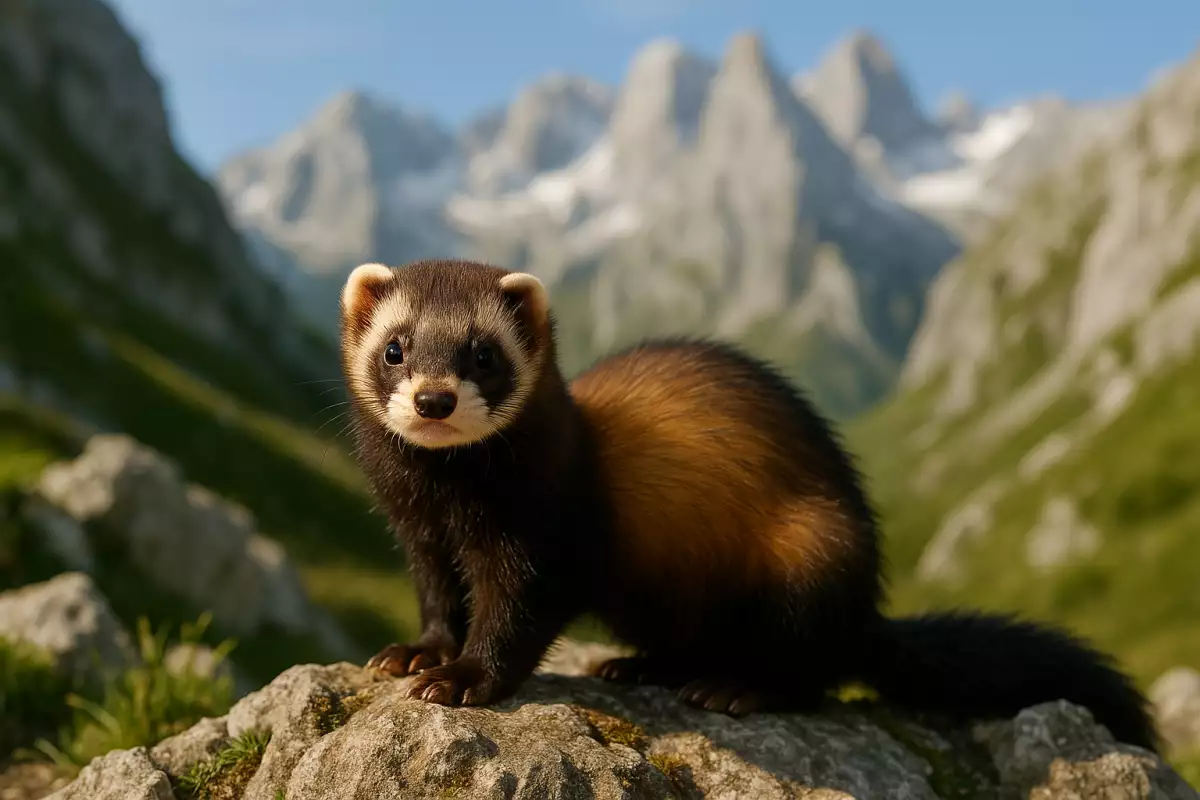
Polecat(Mustela putorius)
Riverside / Wet meadows
Wild relative of the ferret.
Elongated body, pale mask on the face.
It moves at ground level among brambles and reeds.
State:vulnerable due to road kill and loss of wetlands.
2. Perfect weekend (2 days)very dark and twisted excrement next to riverbeds.
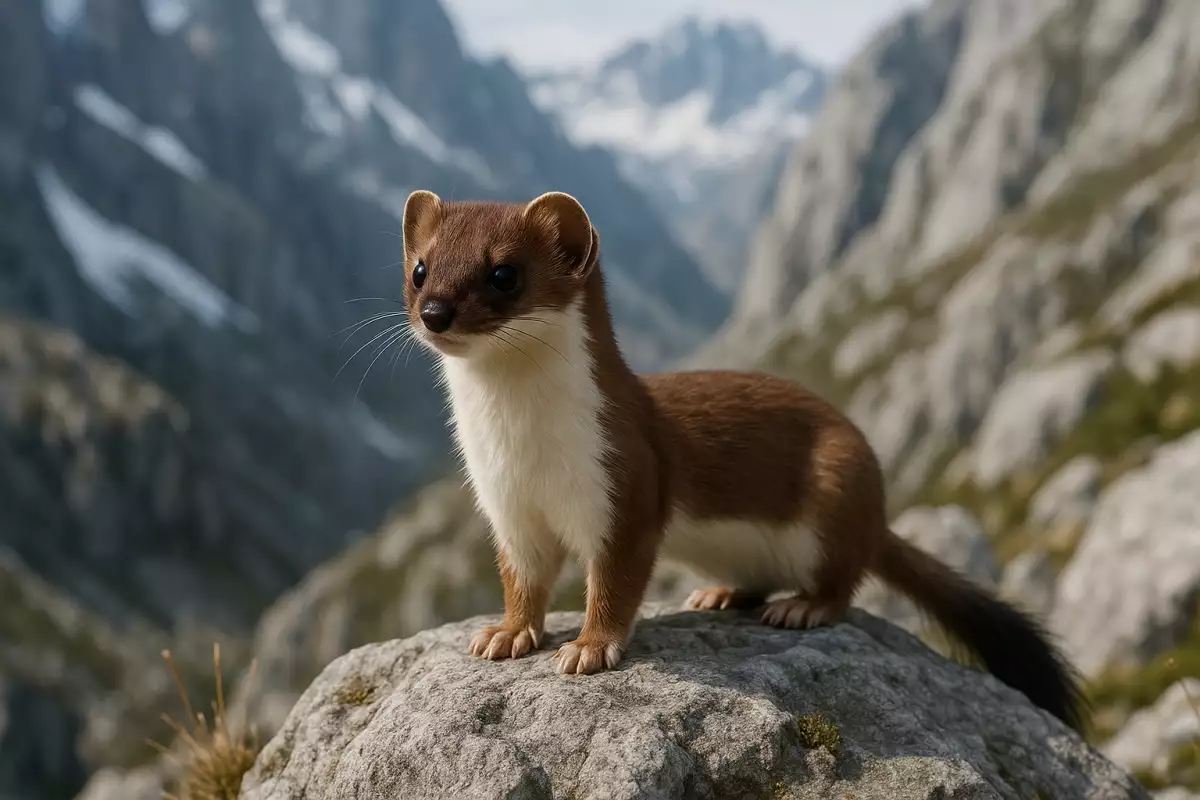
Weasel(Mustela nivalis)
Stone walls / Low meadow
The smallest carnivore in Europe.
Brown above, white below.
He enters mouse burrows like it's nothing.
Size:It literally fits in a fist.
Diet:every mouse he catches.
Local tip:Sometimes it crosses dry walls from farm to farm in broad daylight.
8. LEGEND ROUTES (NEW)
4. High mountains
High brañas, limestone ridges, summer pastures with cattle and carrion.
Iberian wolf (summer in braña)(Canis lupus signatus)
Braña / Collado with cattle
In summer it goes up to high areas where there are cattle and there are carrion.
There the distances are enormous and seeing them with the eye is almost impossible without binoculars.
Safety distance:always VERY far away. Never try to get close.
Livestock respect:Remember that there is real conflict here with the cattle.
5. SAFETY AND RESPECT
5. Safety with wildlife
Do not follow fresh wolf tracks or approach a prone animal.It may be a tired/injured specimen. Call 112 and give exact location.
Don't leave food.Accustoming wildlife to human food creates problems (unsuspecting fox = dead fox).
Loose dogs:in high brañas they can provoke defensive attacks
of livestock and confusion with wildlife. Keep them under control.
Night cameras / phototrapping:in Cantabria you need to respect regulations
and you CANNOT put them where they record public roads without permission.
6. ROUTES AND WHERE TO LOOK
6. Recommended routes for tracking (without disturbing)
You don't need to go deep into the forest to find signs.
Human roads are highways for nocturnal fauna.
Scripts
Any track that goes up towards brañas (e.g. Salarzón track, Cucayo tracks) is an open book at dawn if it has rained.
It is the best place to see traces ofFoxand latrinesBadger.
Wolf tracks often follow the track linearly for km.
Best moment:First hour after night of rain.
Attention:If you see recent boot prints, the animal trail will be trodden. Get up early.
Valdebaró forests
In beech forests with streams (Turieno area, Argüebanes) look for excrement on raised stones in the middle of the path:
They are territorial markings ofMartenor Gineta.
They usually smell musky/sweet and have remains of fruit (rosehip, hazelnut) or bones.
Key species:Martha and Wildcat (very difficult to see, but leaves a trail).
Difficulty:Medium (forest terrain).
Ports of Áliva (High Mountain)
Going up from Espinama or by cable. Open grassland area.
Here the trail gets lost in the grass, but it is a camping area for theIberian wolfin summer.
Don't look to see them (it's almost impossible and annoying), but use binoculars to scan the distant slopes at dawn.
Áliva Route (Descent from Fuente Dé)Medium/High (distance and slope).
guide hereScrupulously respect livestock and mastiffs.
Coming soon: Downloadable real-size fingerprint sheets (PDF) to carry on your mobile.
7. SEO FAQ
Frequently asked questions about wildlife in Picos de Europa
Are there brown bears in Liébana?
Yes, Liébana is bear territory. There is a stable and reproductive population, connected to the eastern core of the Cordillera.
It is a shy animal that avoids humans. If you find one: don't run, make yourself noticed by speaking softly and leave slowly.
Is it dangerous to meet a wolf?
Wolf attacks on humans in Spain are extremely rare (practically non-existent in decades).
The Iberian wolf fears man and flees before you see it. The biggest risk in the mountains is usually livestock protection dogs if you get too close to the herd.
What is the best time to see animals?
The "magic moment" is the30 minutes before and after sunrise.
It is when the nocturnal ones (badger, fox) retire and the diurnal ones begin.
Sunset is also good, but the light falls quickly.
Large image lightbox (we reuse the bird modal as is classes/JS)