Table of Contents Container
1. FOREST / BEECH

1. Forest and beech forest

Beech forests, oak groves and chestnut groves where invisible laughter can be heard.

Anjana

Anjana(Benevolent fairy)

Sources / Beech
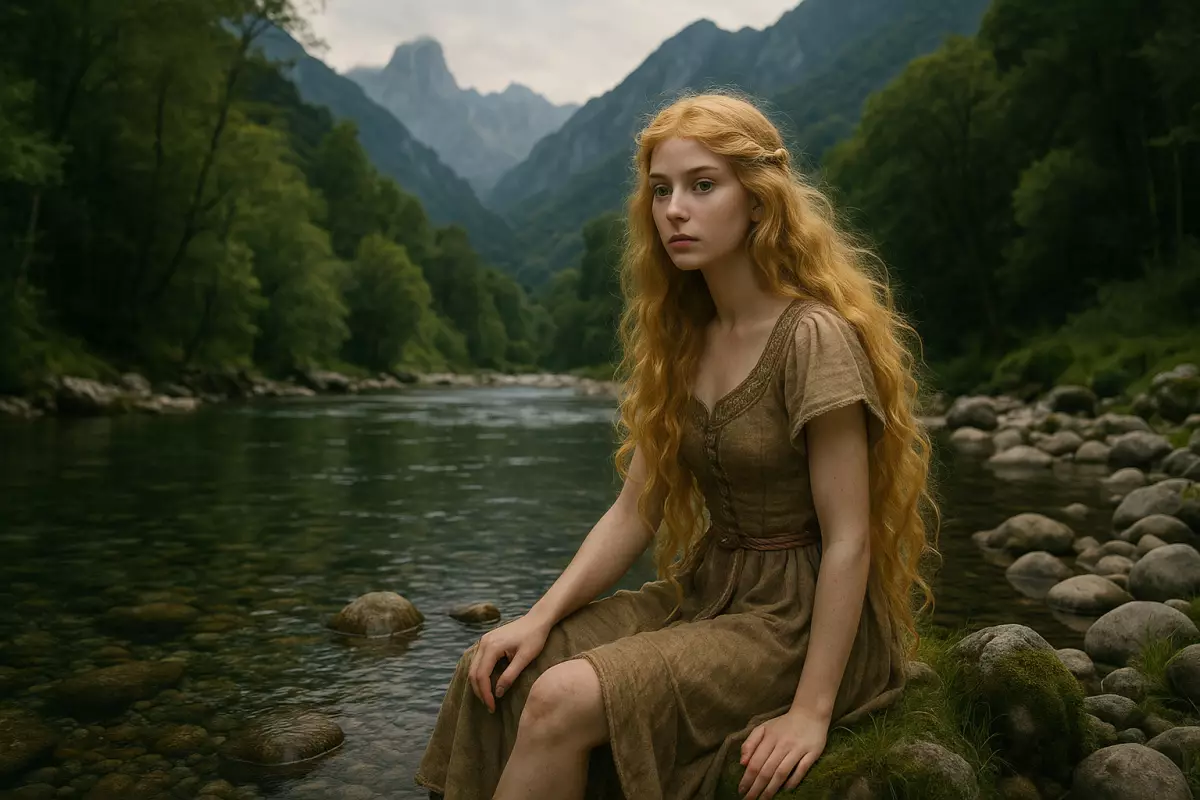
Anjana en fuente de Liébana

Good fairies, of extraordinary beauty, with blonde hair and transparent wings. They live in fountains, caves and beech forests. They help the humble, heal the sick and give gold.

  • Local habitat:Sources of Canaliza, Santo Toribio, Cosgaya.
  • Tradition:They leave coins in poor people's shoes; They punish misers with coal.
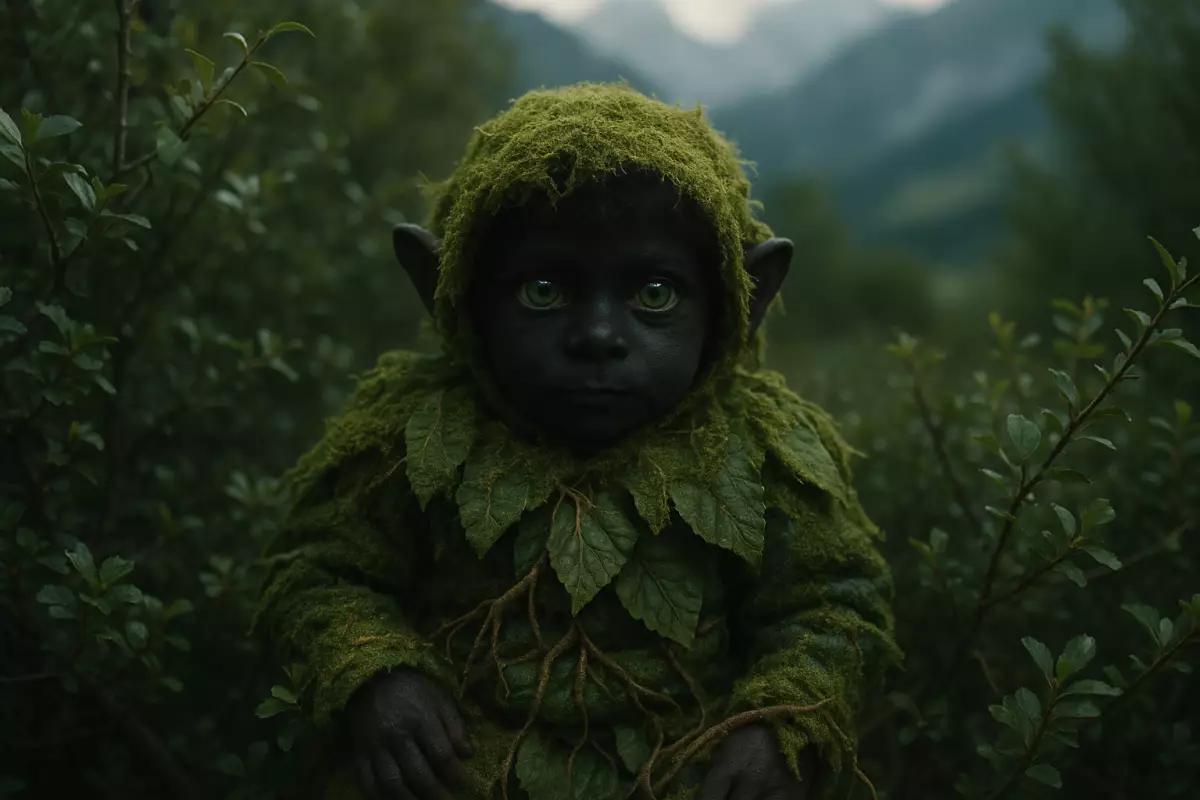
Trenti

Trenti(mischievous forest elf)

Understory / Bardal
Trenti entre musgo y hojas

Little elf dressed in leaves, moss and roots. It blends in with the vegetation. He pulls skirts, pinches calves and does somersaults to mock him.

  • Local habitat:Beech forest of Lon, chestnut trees of Baró, Cucayo.
  • Tradition:He sleeps in torks in winter; It comes out in summer to bother.
2. CAVES / SIMA

2. Caves and chasms

Limestone, jous and torca caves of the Andara massif.

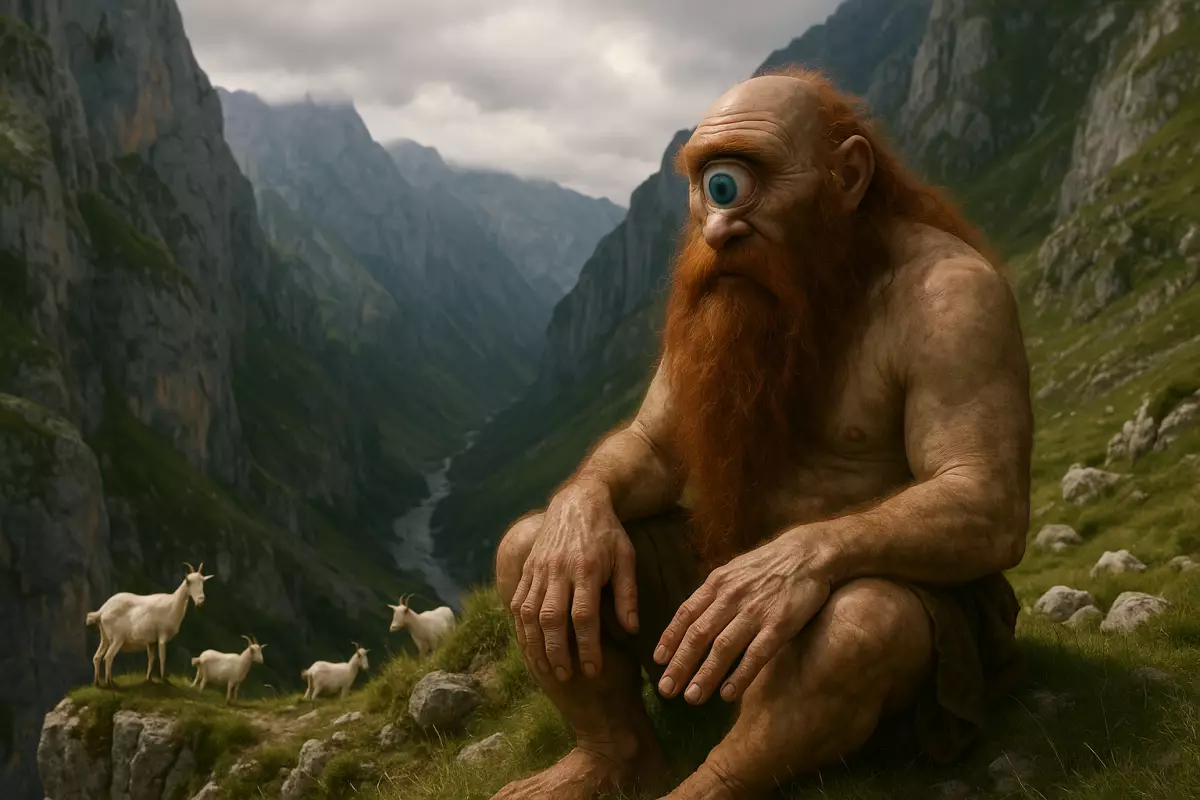
Ojáncano

Ojáncano(cyclops giant)

Cave / Jou
Ojáncano en boca de cueva

Giant with one eye on his forehead, red and tangled beard. He lives in caves, steals cattle and throws rocks. Enemy of the Anjana.

  • Local habitat:Jou Lleroso, Ojáncano Cave (Espinama), Áliva.
  • Tradition:Only a mirror boy or Anjana can beat him.
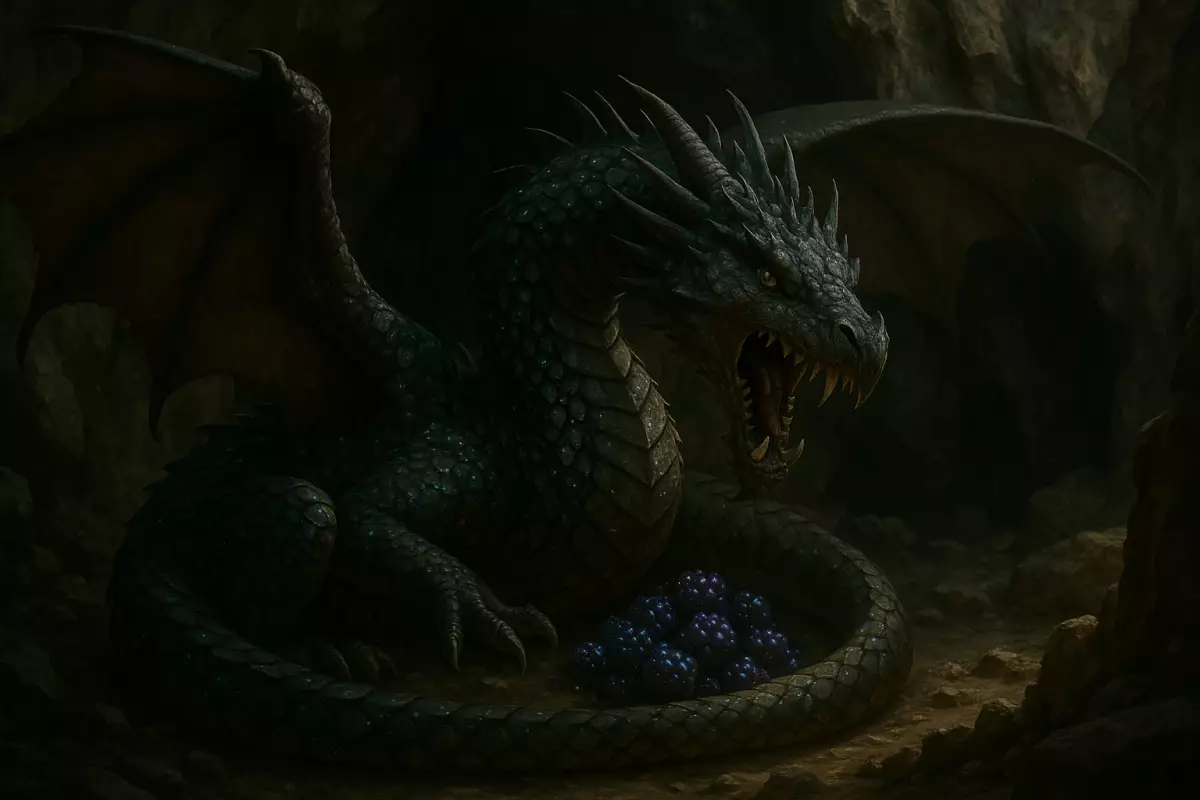
Cuélebre

Cuélebre(winged serpent)

deep cave
Cuélebre en sima de Ándara

Large winged serpent that lives in caves and guards treasures and enchanted blackberries. Impenetrable scales; Diamonds stick to it over time.

  • Local habitat:Simas de Áliva, joues de Ándara, Cares.
  • Tradition:It is defeated with hot bread or red stone.
3. VILLAGES / HOME

3. Towns and home

Houses, stables, chimneys and stone barns.

Goblin

Goblin(house elf)

Fireplace / Attic
Trasgo en tejado de Mogrovejo

Little, joking elf who lives in houses. He breaks dishes, hides objects, but it helps if food is left for him.

  • Local habitat:Potes, Mogrovejo, Cahecho, Vega de Liébana.
  • Tradition:It calms down with stew or milk; He leaves if you say “go” three times.
4. RIVER / SHORE

4. River and shore

Banks of the Deva, Quiviesa and old mills.

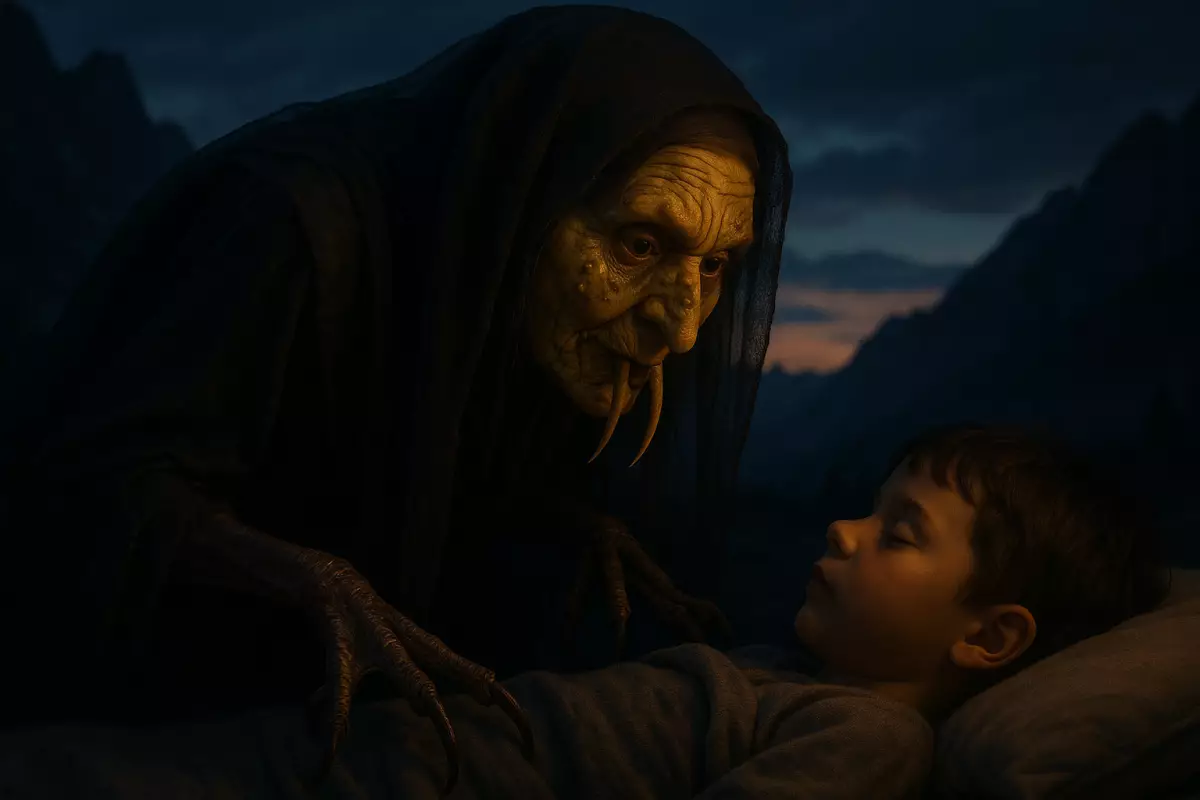
Guajona

Guajona(night witch)

Mill / Ravine
Guajona en molino de Lebeña

Vulpes vulpes

  • Local habitat:Molinos del Deva, Lebeña, Cicera.
  • Tradition:He is scared away by blessed goat horn or garlic at the door.
5. HIGH MOUNTAIN

5. High mountains

Áliva, Ándara, snowfields and tall grasses.

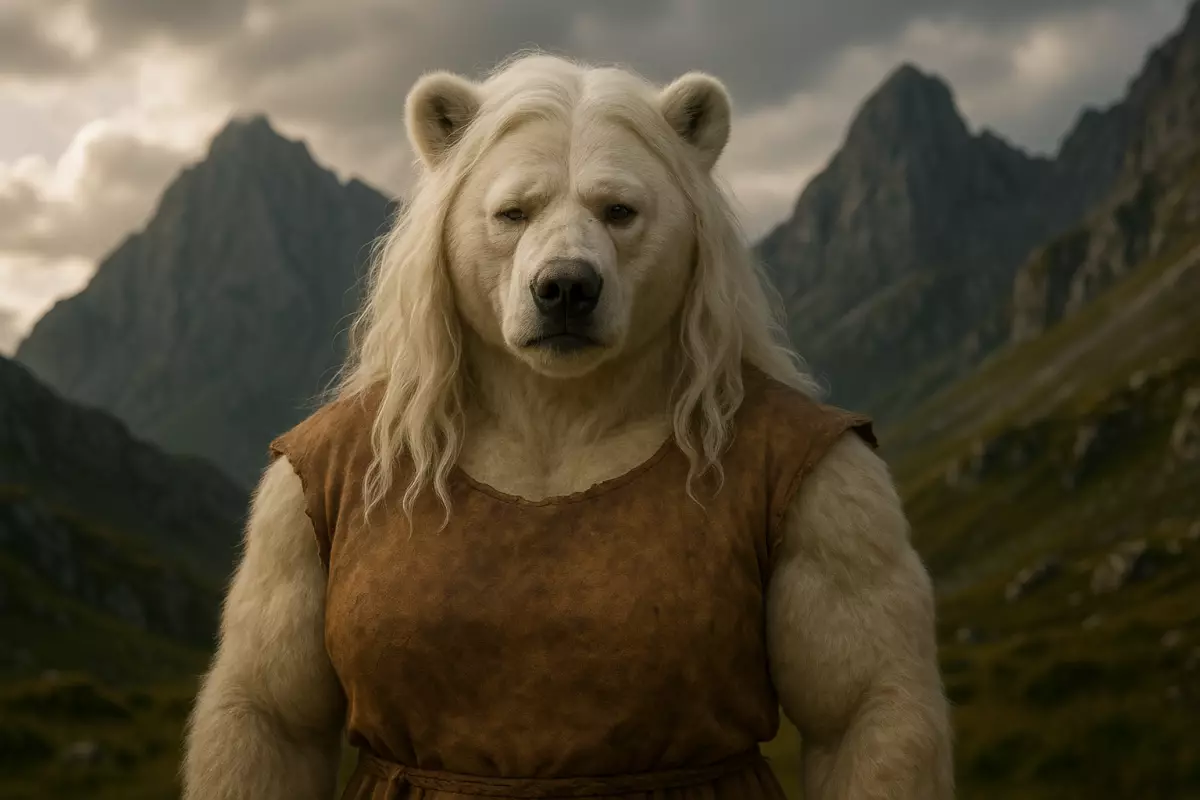
Andara Bear

Andara Bear(guardian spirit)

Grass / Snow
Osa de Ándara en Áliva

White bear with golden eyes. Guardian of the mountain treasures and protector of flocks.

  • Local habitat:Áliva, Pico Juncal, Ándara Massif.
  • Tradition:Appears to shepherds in fog to guide or warn them.
6. SKY / CLOUDS

6. Sky and storm

Low clouds, hail and lightning over the Peaks.

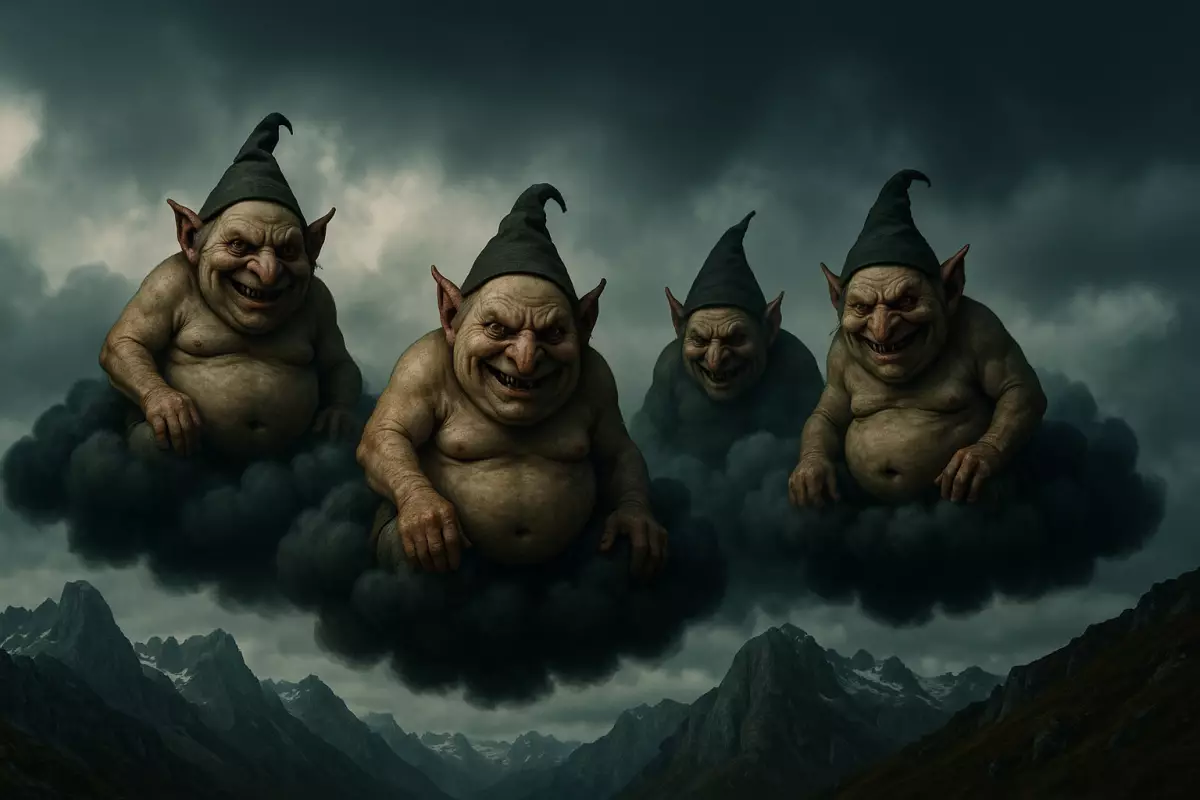
Nubero

Nubero(Cloud genies)

Summit / Storm
Nubero sobre Peña Prieta

Mischievous and cunning geniuses, with a diminutive appearance, a plump body and a perfidious face, always riding on leaden clouds. They are feared for the damage they cause in the towns and the feared nights of downpours and storms are attributed to them.

  • Local habitat:Peña Prieta, Pico Jano, Canal de las Arredondas.
  • Tradition:Do you have little time and want to see everything? Although in Liébana you could spend a week without getting bored, we have designed these
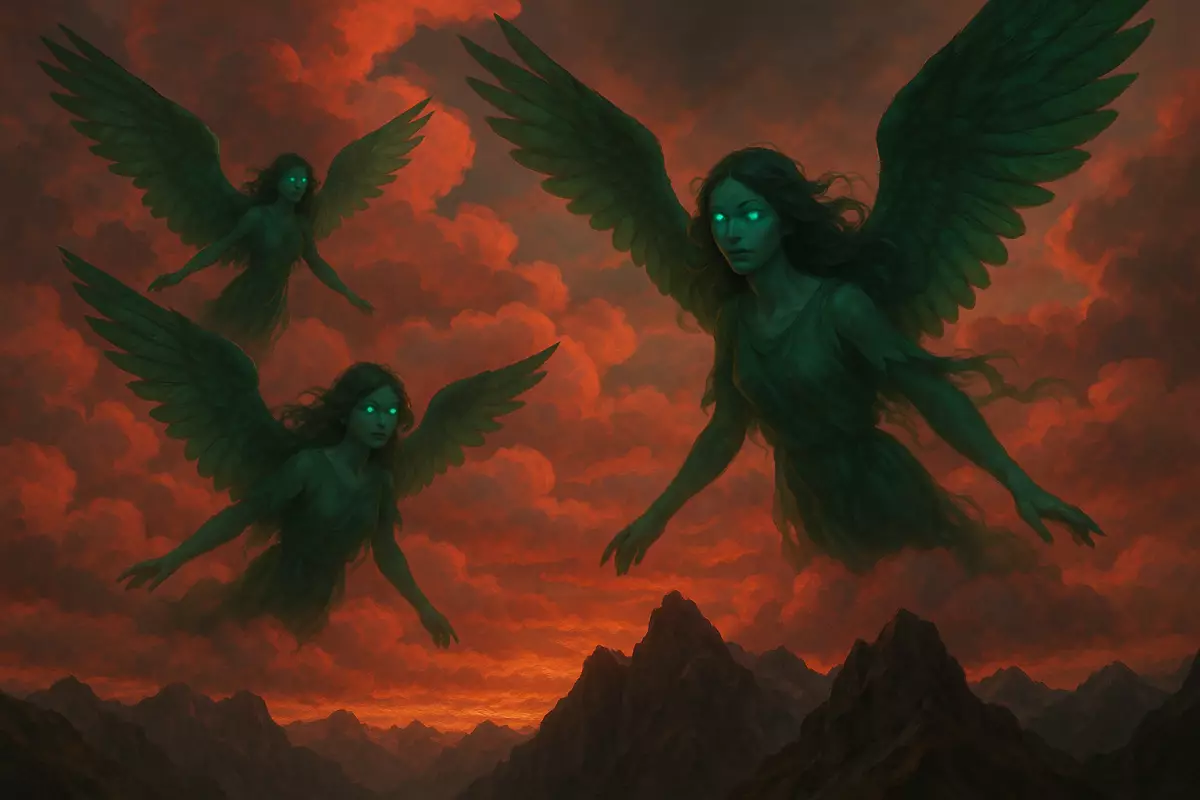
Ventolin

Ventolin(Spirit of the air)

Western clouds
Ventolín en nubes rojizas

Spirits with green wings and eyes the color of the sea. They live in reddish clouds in the west. They help fishermen.

  • Local habitat:Over the Cantabrian sea seen from Liébana.
  • Tradition:Contrary to Nubero; They bring gentle breeze.
7. NIGHT / SAN JUAN

7. Night and San Juan

Superstitions of the magical night of June 23 to 24.

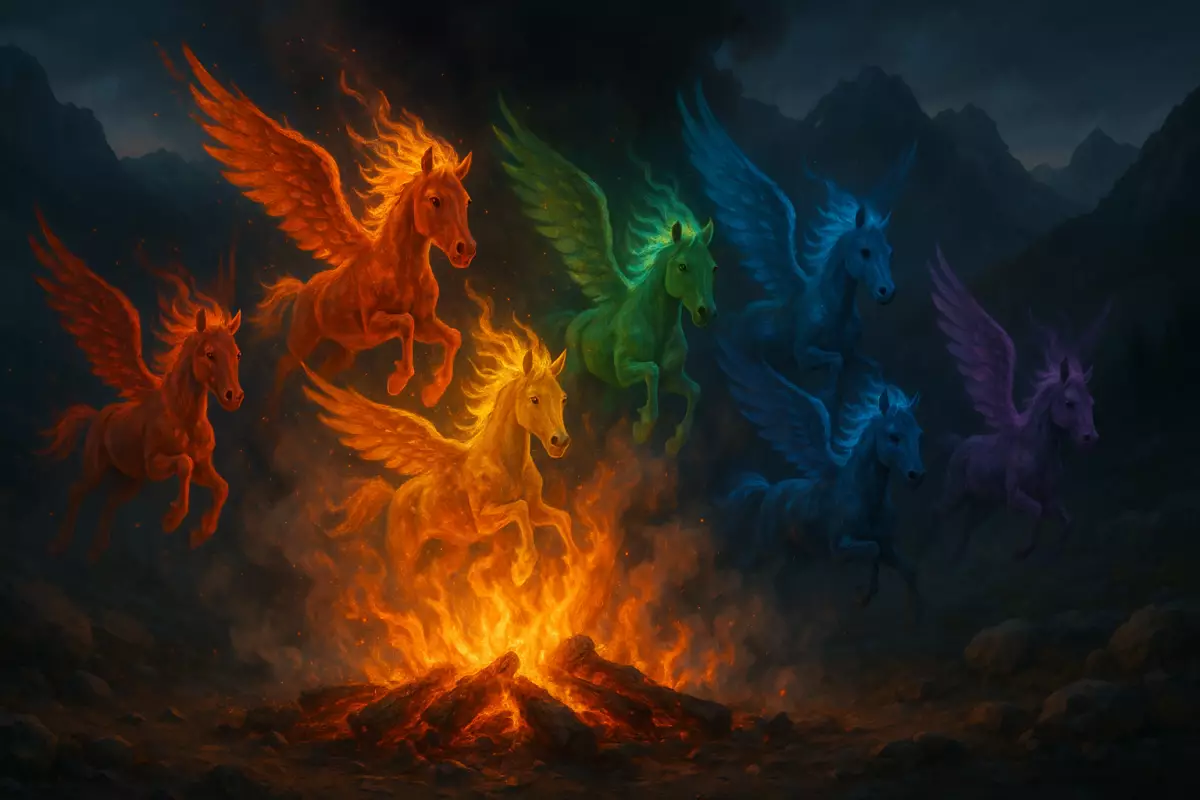
Devil's Horses

Devil's Horses(hell horses)

Saint John's Night
Caballucos del Diablo en vuelo

Seven colorful winged horses that emerge from fire and smoke on the night of San Juan. Former condemned sinners.

  • Local habitat:All Liébana, night of June 23 to 24.
  • Tradition:Red is the boss; The Devil rides it.
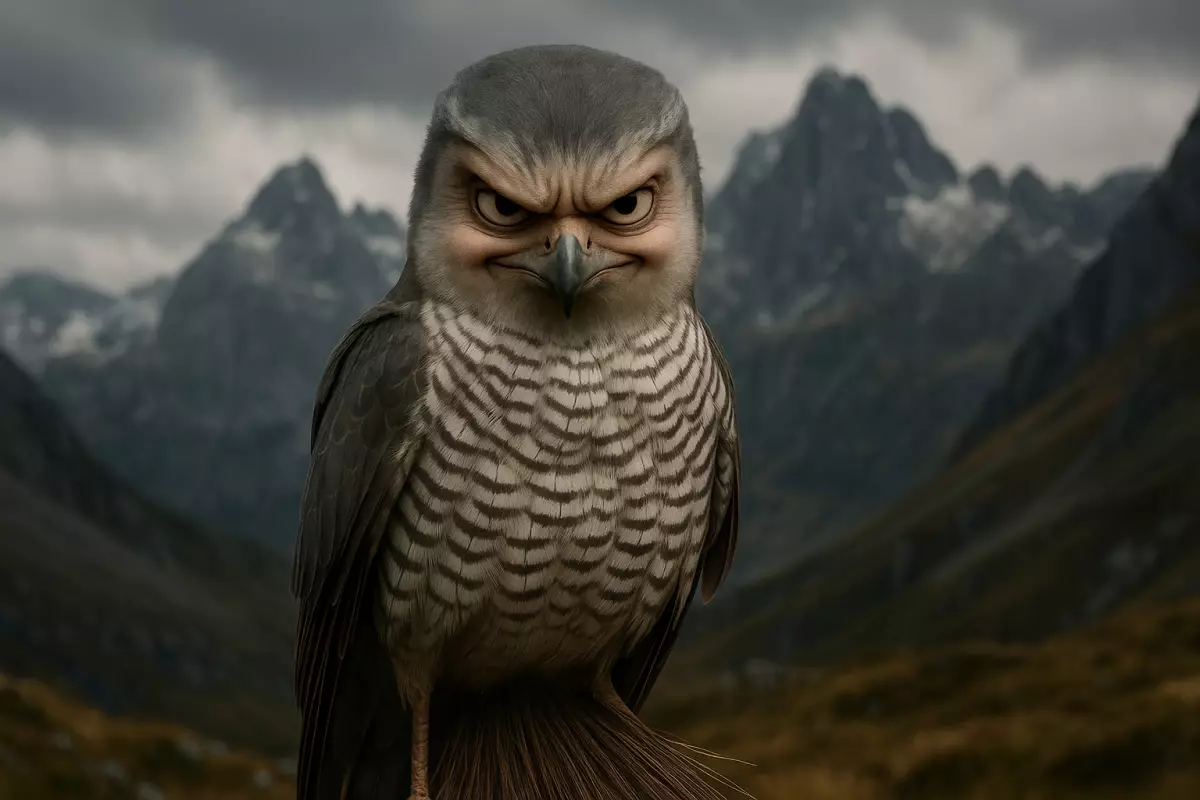
Pecu

Pecu(evil bird)

Fields/Villages
Pecu, gavilán gris con cola en escoba

Gray bird like a hawk, striped breast and broom-shaped tail. Transformed son of a thieving miller.

  • Local habitat:Valleys and towns of Liébana.
  • Tradition:I only knew how to read “p” and “q”; I confused them. Kill and destroy.
8. LEGEND ROUTES (NEW)

8. Legend Routes: experience the magic

Although these beings are invisible, there are places in Liébana that look like storybook settings. Here you have three excursions where it is easy to imagine an Anjana or a Trenti.

The Chestnut Grove of El Habario (Pendes)

A forest of ancient chestnut trees with twisted shapes that look like faces (pure pareidolia). It is the perfect place to tell children the history ofTrentiwhile you walk among moss and leaves. Easy, accessible and magical in autumn.

  • Atmosphere:Enchanted and mysterious forest.
  • Become an associate:The Trenti (it camouflages itself among the leaves).

The Mythological Path of Mount Huma

Recently popularized, it is a route where carved figures of mythological beings have been placed. Although it is not 100% "natural", it is ideal to put a face to these legends if you go with your family. If you prefer the wild version: go up to the Igüedri winter mountains and look for the Anjana in the streams.

  • Ideal for:Families with small children.
  • Location:Peñarrubia / Cicera area (edge ​​of Liébana).

The Chasms of Andara

Going up towards the Casetón de Ándara, the landscape becomes lunar, full of holes (sinkholes and chasms) in the rock. It is hostile territory. Here he livedCuélebreand theOjáncano. If the fog descends quickly, you will understand why the shepherds feared the Andara Bear.

  • Atmosphere:High mountains, overwhelming and silent.
  • Become an associate:Ojáncano and storm spirits (Nubero).
9. SEO FAQ

Frequently asked questions about Cantabrian mythology

Are the Anjanas and the Ojáncanos real?

They are real in culture: they explained natural phenomena (the goodness of spring, the fury of the storm) before science. Today they are still alive as a symbol of Cantabria's identity and respect for nature.

Does Cantabrian mythology have Celtic origins?

Yes, much of it shares roots with Atlantic Celtic mythology (fairies, animated forests), but later romanized and Christianized. Many rites (such as the bonfires of Saint John) are of pre-Roman pagan origin.

What is the best mythology book for children?

There are many adaptations, but the illustrated classics based onManuel LlanoThey are usually the most faithful. Look for editions that respect the original names (no "gnomes", here they are Trentis).

8. WHO TOLD US ALL THIS

Who collected all this mythology?

Without the Cantabrian writers of the 20th century, many of these stories of Anjanas, Ojáncanos or Trentis would have been lost.

Manuel Llano and Adriano García-Lomas

Key compilers of Cantabrian mythology in the 20th century.

Manuel Llano and Adriano García-Lomas are the two great compilers of Cantabrian mythology of the 20th century. Thanks to his books we can read today many of the legends of Liébana (Anjana, Ojáncano, Trenti, Nubero...).

«Cantabrian mythology is not a dead memory; "It is a living heartbeat in the heart of the mountain."
— Attributed to Manuel Llano

To continue reading Northern mythology

A perfect illustrated book if you like these creatures.

Portada del libro «Bestiario del Norte»

Northern Bestiary

An illustrated journey through the visions and creatures of the Northern lands, prefaced by Julio Caro Baroja.

  • Author:Pablo Gallo
  • Atmosphere:Scrupulously respect livestock and mastiffs.
Buy this book
ideal with children and access to the viewpoint.
deLiébana
Editorial of LiébanaStories collected from the oral and literary tradition of Cantabria.
Image modal