
Potes, one of the most beautiful villages in Cantabria and Spain (listed as one of The Most Beautiful Villages in Spain since 2019), is the geographical and nerve center of the Liébana region. Known for its medieval historic center, its bridges, and the imposing Torre del Infantado, it is a unique tourist destination that combines history, nature, and gastronomy in one place.
Walking through its cobbled streets is like stepping back centuries in time. Its mild Mediterranean microclimate, its lively atmosphere throughout the year, and its strategic location at the confluence of the Deva and Quiviesa rivers make Potes a must-visit and a perfect starting point for hiking routes such as the Lebaniego Route, or for entering the Picos de Europa.
| Practical Fact | Information |
|---|---|
| Population | 1,323 inhabitants (INE 2025) |
| Location | Center of the Liébana region, Cantabria |
| Microclimate | Mediterranean |
| Altitude | 694 m a.s.l. (Arabedes mountain) |
The great medieval symbol
An indispensable mountain dish
National Tourist Interest
Suggested Route: Potes in 1 day
- Torre del Infantado: Start here to enjoy the panoramic views (1h).
- Historic center: Get lost in the alleys and mansions of the Solana Neighborhood (1h).
- Medieval bridges: Cross the San Cayetano bridge and walk along the river (45 min).
- Gastronomy: Enjoy an authentic cocido lebaniego in local restaurants (1.5h).
- San Miguel Hermitage: Go up mid-afternoon to contemplate the best sunset in the town (1h).
Looking for a place to sleep?
Discover the best accommodations, hotels, and rural houses recommended in Liébana.
1. The historic center: getting lost is key
To tour Potes is to walk through history. The best thing you can do is forget the map and let yourself go. The Solana Neighborhood is one of the most authentic areas: wooden balconies full of flowers, emblazoned mansions, and that quiet air that defines Liébana.
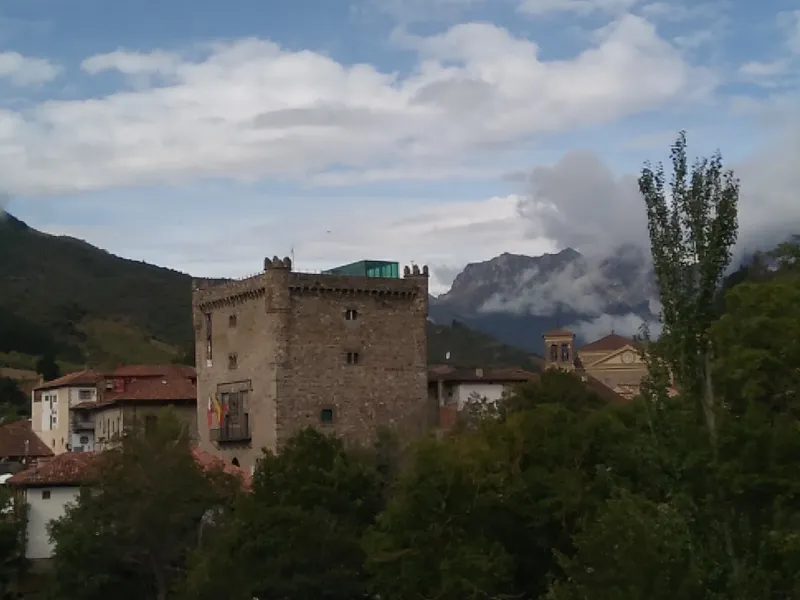
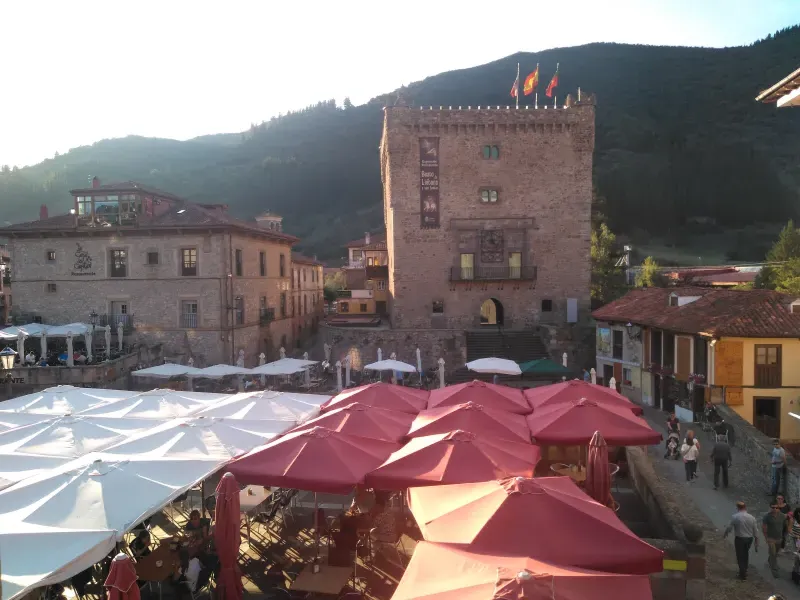
- Torre del Infantado (15th c.): Houses exhibitions about the Beatus of Liébana and offers spectacular 360º views from its battlements to the valley floor.
- Torre del Orejón de la Lama: A great example of defensive architecture with curious Gothic shields.
2. Walk between rivers and Routes
The urban river path that runs along the banks of the Deva and Quiviesa rivers is one of the most pleasant walks you can take in the town. Crossing under the San Cayetano bridge is an experience where nature and history coexist in perfect harmony. Furthermore, surrounded by mountains and valleys, Potes is ideal for hiking and mountain biking, being a key passage of the Lebaniego Route which links the coastal Camino de Santiago with the French Way.
3. History, Culture and Heritage
Potes has a fascinating history dating back to prehistory, likely populated by the Concanos in pre-Roman times. In the Middle Ages, it was repopulated by Alfonso I of Asturias (with its first mention in 847 as Pautes). During the Late Middle Ages, the Mendoza family made Potes the capital of Liébana, erecting the iconic Torre del Infantado in the 15th century.
Today, Potes has been a Historic-Artistic Site since 1983. Its streets host prominent festivities such as the Feast of the Cross in September (Regional Tourist Interest), the Virgin of Health, and the Sacred Heart.
4. Gastronomy: the taste of tradition
Eating in Potes is a fundamental part of the trip. The star dish is undoubtedly the cocido lebaniego, made with the famous small chickpeas of the area, cabbage, and compango. In addition, having tapas around the Cantón area trying Liébana wines, artisan cheeses, and finishing with a good aguardiente (orujo) is mandatory.
Every Monday, the square hosts a large weekly market, a tradition kept alive since the Middle Ages where you'll find fresh local products.
Where to eat in Liébana?
Don't leave without trying a good "cocido lebaniego". Discover the best restaurants.
5. What to see near Potes
A few minutes away by car, the Liébana geography offers indispensable gems:
- Monastery of Santo Toribio de Liébana (3 km): Important holy site that guards the Lignum Crucis, the largest piece of the cross of Christ.
- Fuente Dé Cable Car (20 km): The quick and dizzying gateway to the heights of the Picos de Europa.
- Mogrovejo: One of the most charming and photogenic villages in the Camaleño valley.
Image Gallery
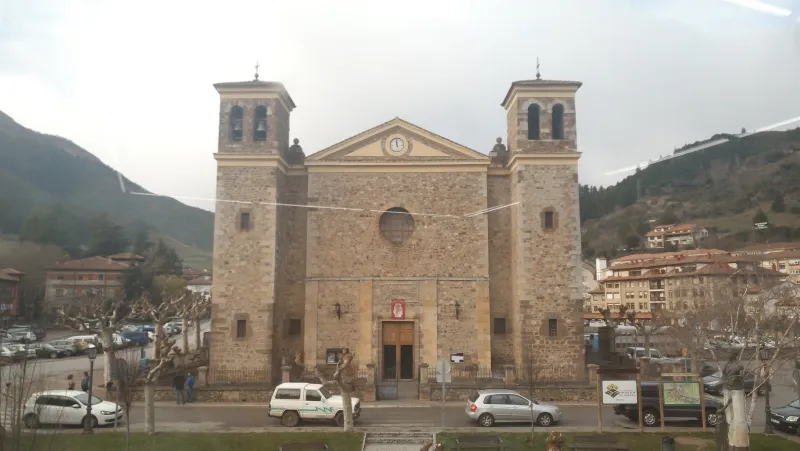
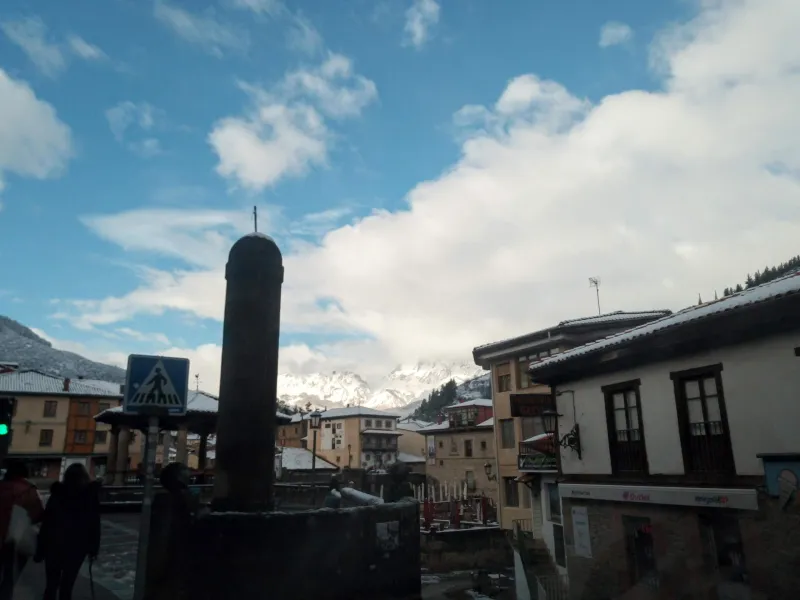
Practical Guide
- How to get there: The main access is via the spectacular and winding N-621 road that runs through the La Hermida Gorge.
- Parking: La Serna Parking is the largest and most central. In high summer season or long weekends, make sure to arrive before 10:30 am.
- Footwear: Always wear very comfortable shoes; the cobbled streets of the town are not friends with heels or fragile footwear.
Frequently Asked Questions (FAQ)
What is the best time to visit Potes?
Although spring and summer are the most acclaimed times thanks to its warm weather to fully enjoy the hiking and mountain biking routes, autumn is simply spectacular for the colors of its landscapes. For its part, winter turns the area into the right place for lovers of winter sports. In short, the town is an ideal destination at any time of the year thanks to its rich heritage and gastronomy (like the indispensable cocido lebaniego).
What activities can I do in Potes?
Potes offers a great variety of activities: hiking (including the Lebaniego Route), high mountain routes in the Picos de Europa, gastronomic tasting (cocido and local orujo), and cultural tourism visiting its historic-artistic monuments, in addition to enjoying its shops and traditional markets.
How to get to Potes by transport?
Potes is in the center of the Liébana region. The main access by car is via the spectacular N-621 through the La Hermida Gorge. It also has a bus station that connects it with Santander, Torrelavega, and other towns in Cantabria.
Map of Potes
Do you have an accommodation, restaurant or activity company in Liébana?
Discover how to highlight your business in this guide