Cantabria has mycologically rich areas such as Liébana, cited as one of the best areas
to look for mushrooms in the community, along with Saja-Besaya and the Pasiegos valleys.
Here you have typical species of beech forests, pine forests and meadows of the Cantabrian mountain range
(Picos de Europa included): some have always been eaten;
Others can make you seriously ill.
⚠ This guide does NOT authorize consumption. If you doubt, DO NOT eat.
Several toxic mushrooms are confused with edible ones (e.g. button mushrooms vs Agaricus xanthodermus).
1. Classic Cantabrian foods
Highly appreciated in Liébana: boletus, chanterelle, chanterelle, galipierna, cow's tongue.
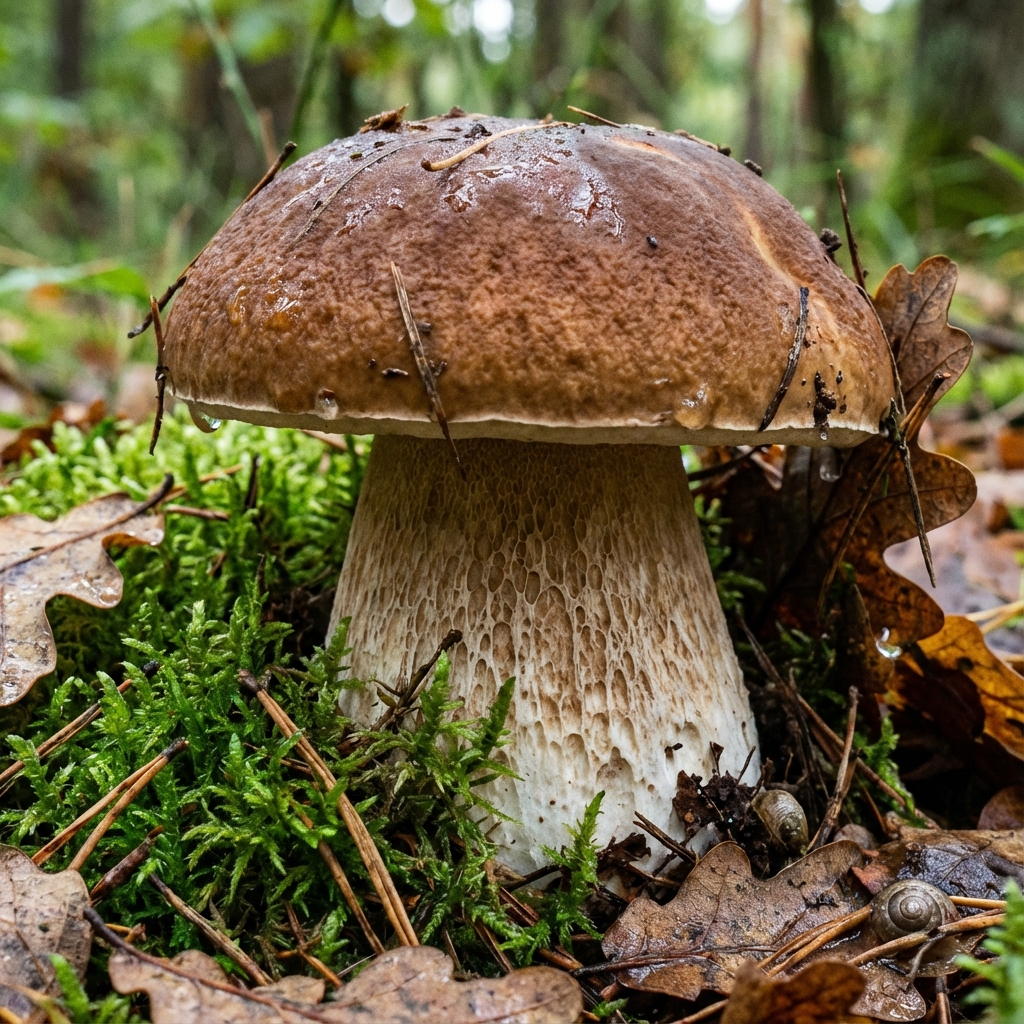
Canton area(Boletus edulis)
Beech / Chestnut
The most sought after “mushroom” in Liébana in autumn. Brown hat, fat foot with whitish net.
Dense meat, sweet aroma. Highly valued in cuisine throughout the peninsula and cited as a gastronomic star in Cantabria.
Habitat:mixed forests, acidic soils, beech and chestnut clearings.
Time:end of summer → mid-autumn.
Confusions:other boletus bitter/inedible.
LACTARIUS DELICIOSUS / NÍSCALO
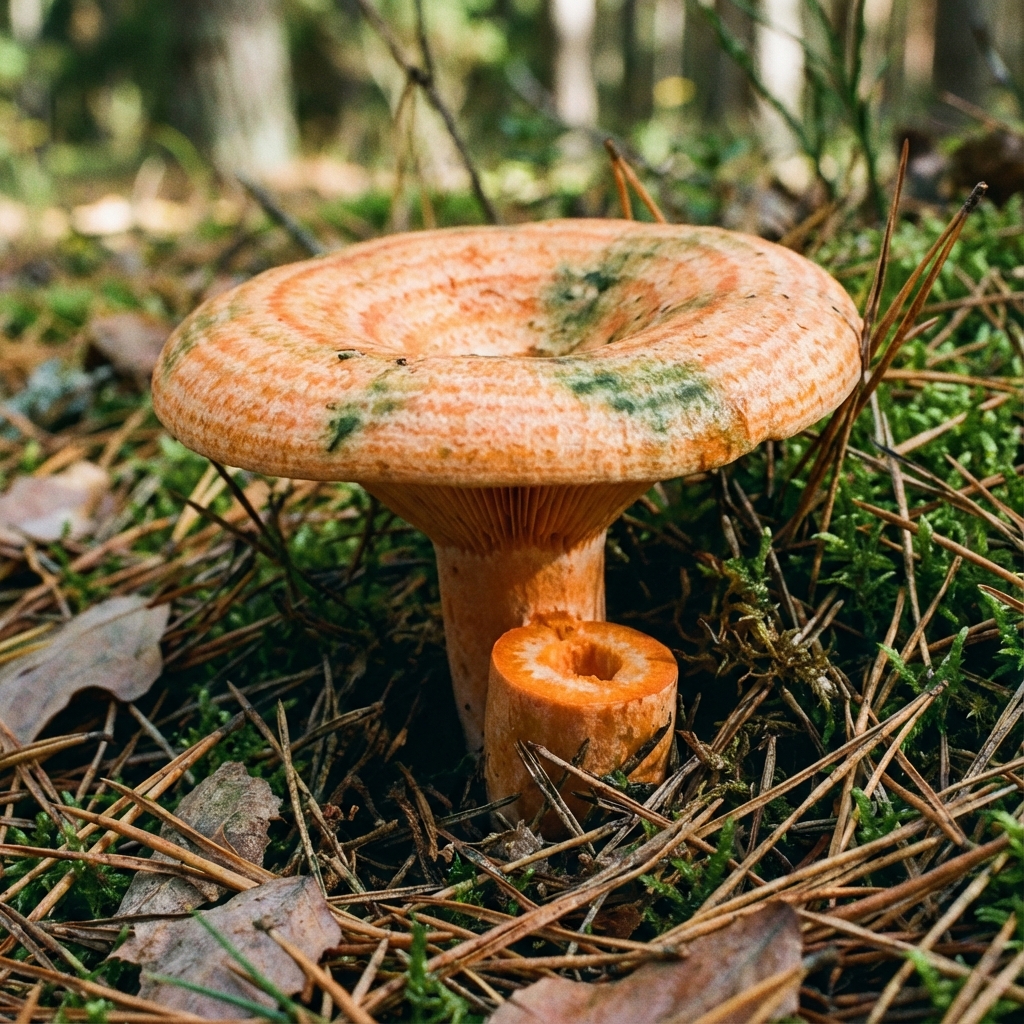
Chanterelle / Robellón(Lactarius deliciosus)
Pinewood
Orange, with concentric rings on the cap. If cut, it “bleeds” orange latex.
Highly appreciated in Cantabria and all of Spain, typical of autumn stews.
Habitat:pine forests, humid glades.
Time:wet autumn.
Eye:Never consume old or soft mushrooms (digestive risk).
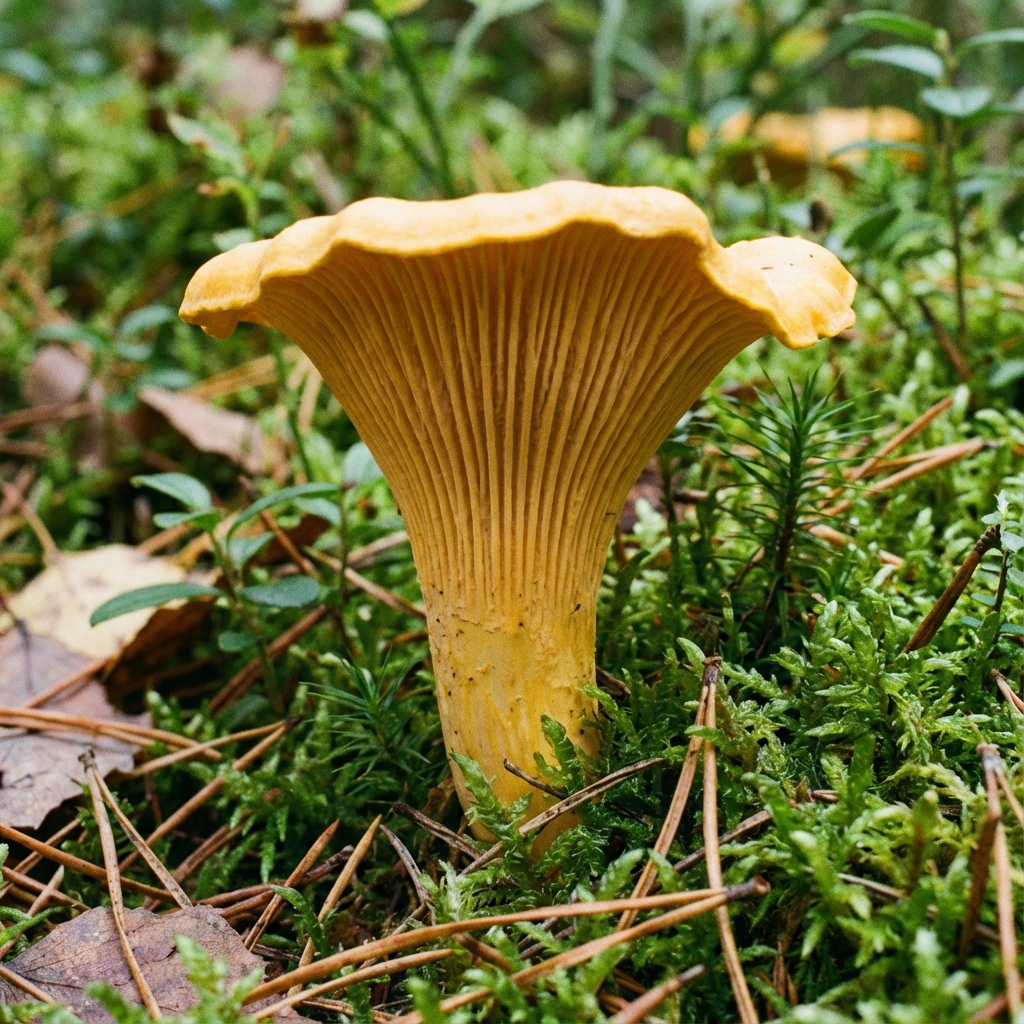
Chanterelle(Chanterelle cibarius)
wet beech
Golden yellow, fruity smell. Thick folds (not thin sheets) down the foot.
A classic from the north of Iberia.
Use:soft sautéed, very aromatic.
Confusion:with toxic false chanterelles if the folds are not well recognized.
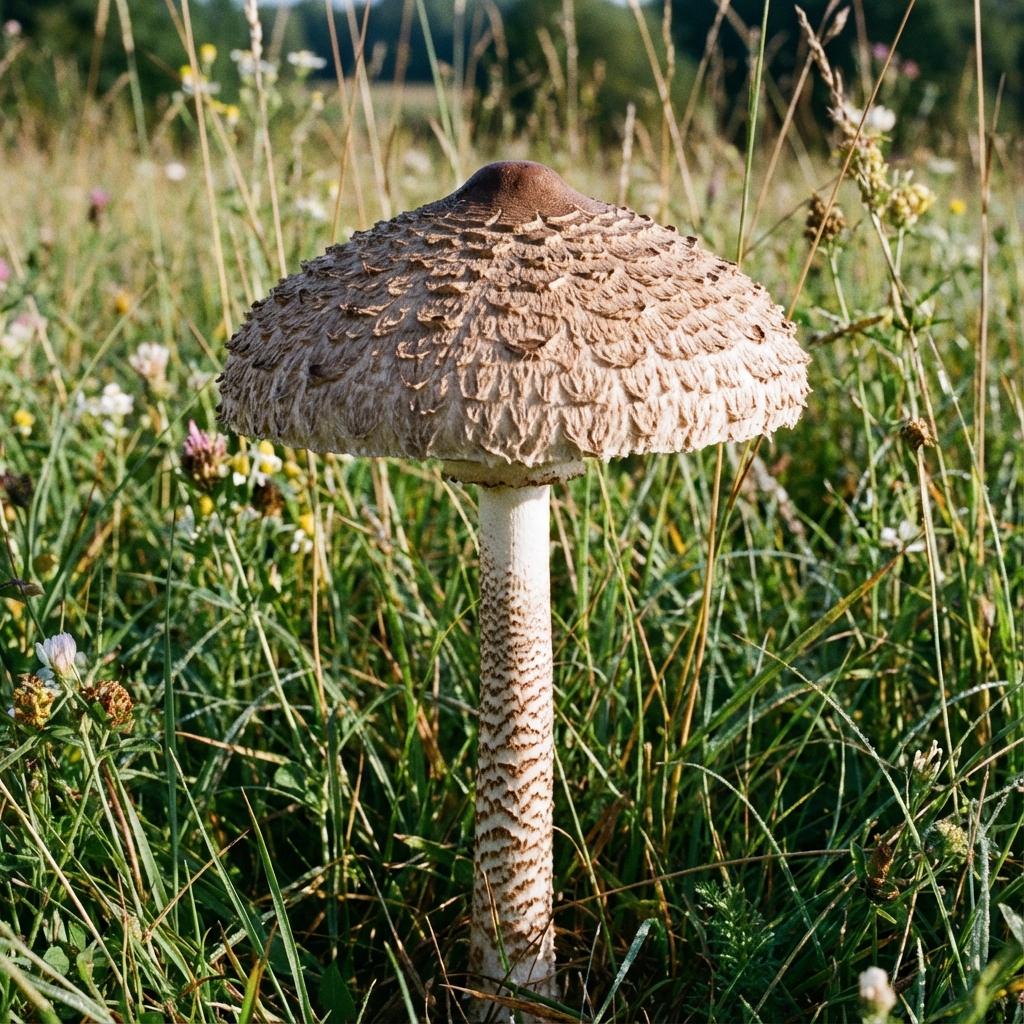
Galilegna(Macrolepiota procera)
Meadow / Forest glades
Large, scaly hat with long stem and movable ring.
Traditional in Cantabria (“galipierna”), cited as one of the most appreciated foods in the northern area.
Attention:DO NOT confuse with small toxic lepiotas (the small ones can be fatal).
Rural rule:“If it's not as big as an open hand, NO.”
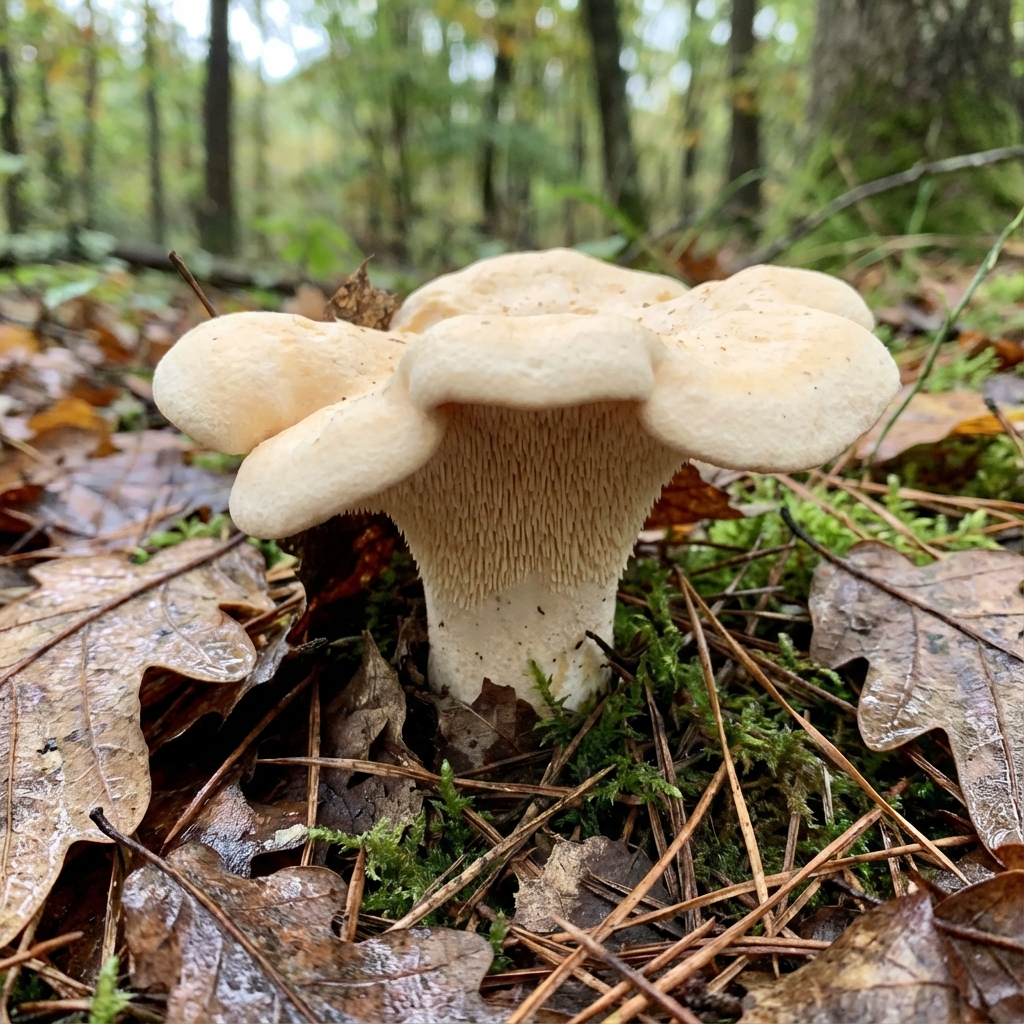
cow tongue(Hydnum repandum)
Beech / Oak forest
Pale mushroom with “teeth” under the cap instead of blades.
It is consumed in stews in the north although it is heavier to digest.
Mentioned among the typical autumn culinary mushrooms in Spain.
Texture:firm.
Tip:Clean the teeth well (they retain dirt).
TOXIC / DANGEROUS
2. Toxic and problematic
Several dangerous species appear in beech forests and meadows in the north.
Some are confused with common edibles.
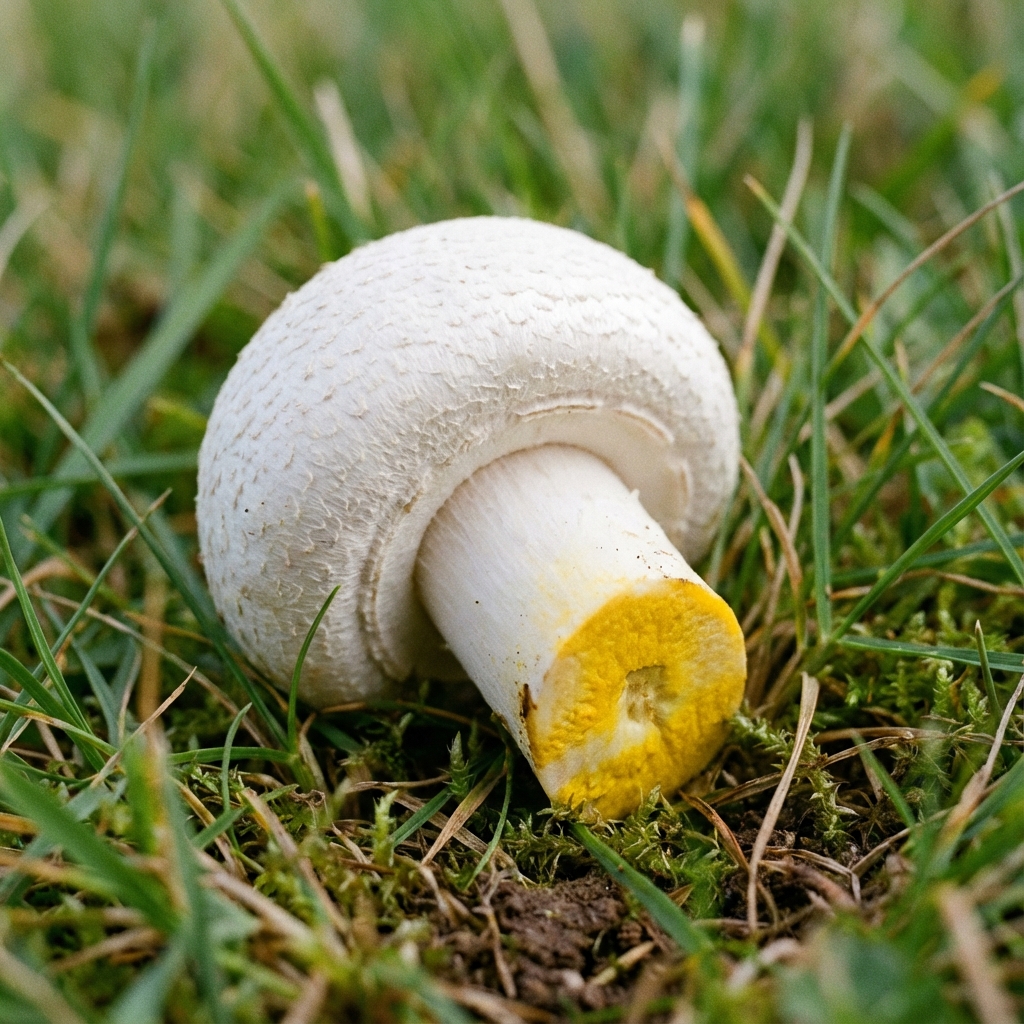
Agaricus xanthodermus(Agaricus xanthodermus)
Meadows / Roadsides
It looks like an edible mushroom... but it turns yellow strongly when you touch the base of the stem.
and it smells like ink/phenol. It produces serious digestive disorders. Very dangerous
for novice foragers looking for “wild mushrooms.”
DO NOT ever eat.
Visual test:Intense yellowing on the cut of the foot.
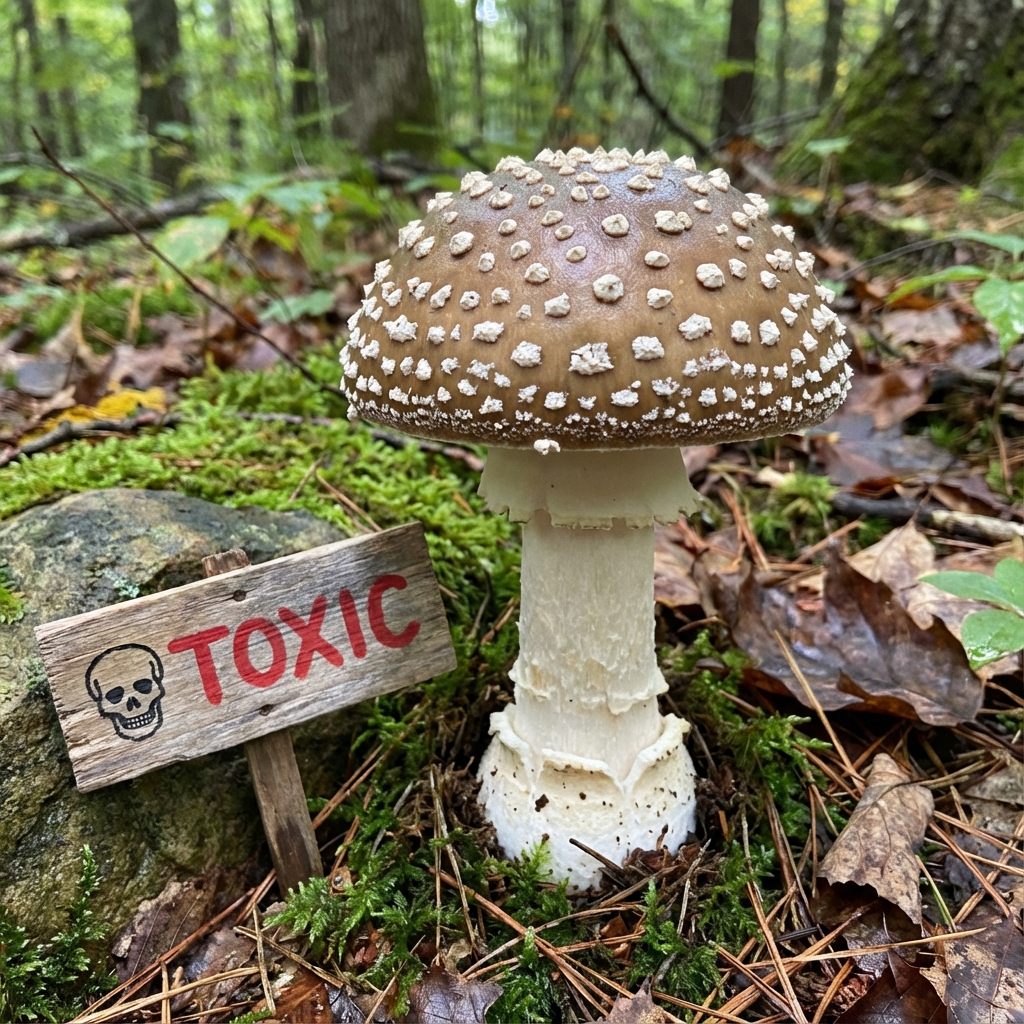
Amanita pantherina(Amanita pantherina)
mixed forest
Brown hat with white specks. Very toxic (neurotoxic / hallucinogenic).
It has been documented in forests in the north of the peninsula, including the Cantabrian coast.It is not edible at all.
Suspicion:fly agaric with clear warts = do not touch, do not try, photo and that's it.
Confusion:People believe that “all red amanitas are the same.”
FAKE. Some kill.
Video:see video section below.
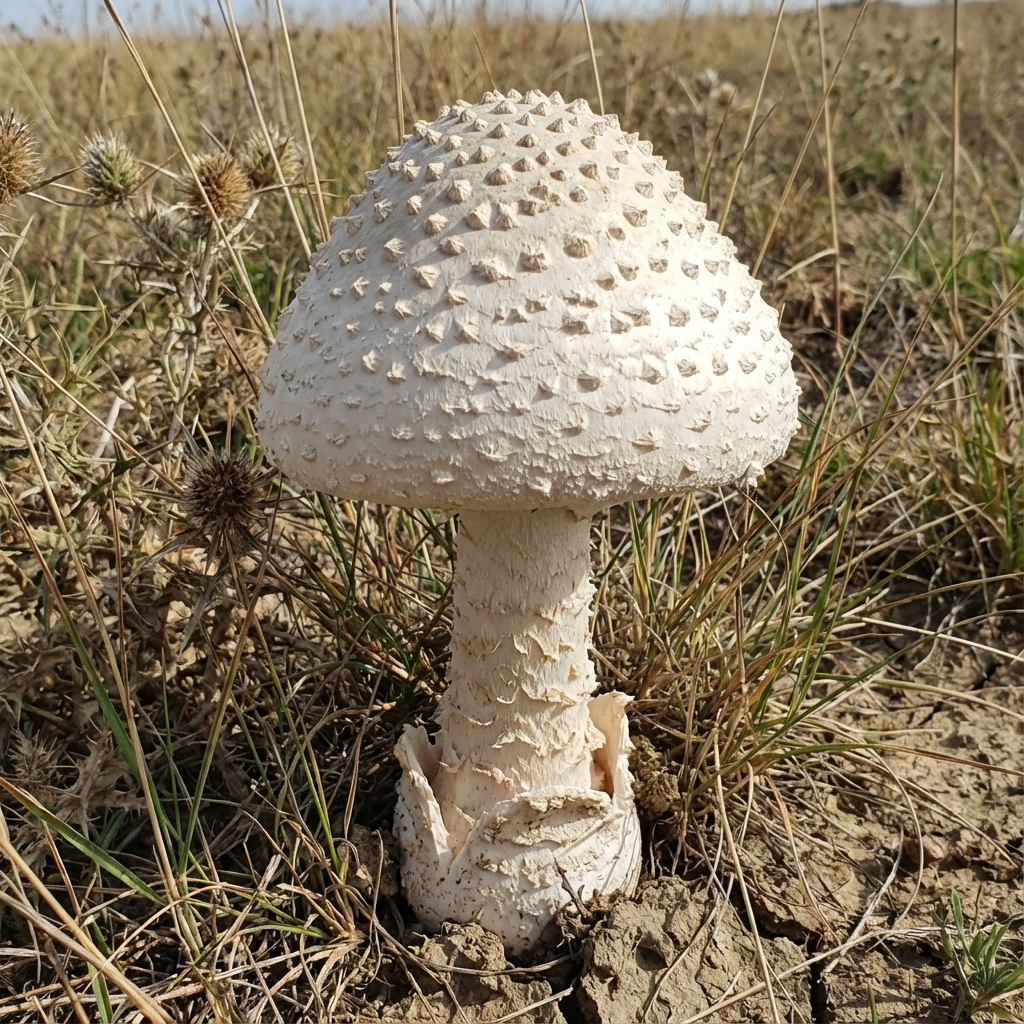
Amanita vittadinii(Amanita vittadinii)
Dry meadows / glades
Pale amanita covered in scales. Rare species and easy to misidentify.
There are sources that say “edible well cooked”, others that advise against it.
Here: it is considered DO NOT COLLECT.
Local rule:rare amanita = left in the field.
Video:see video section below.
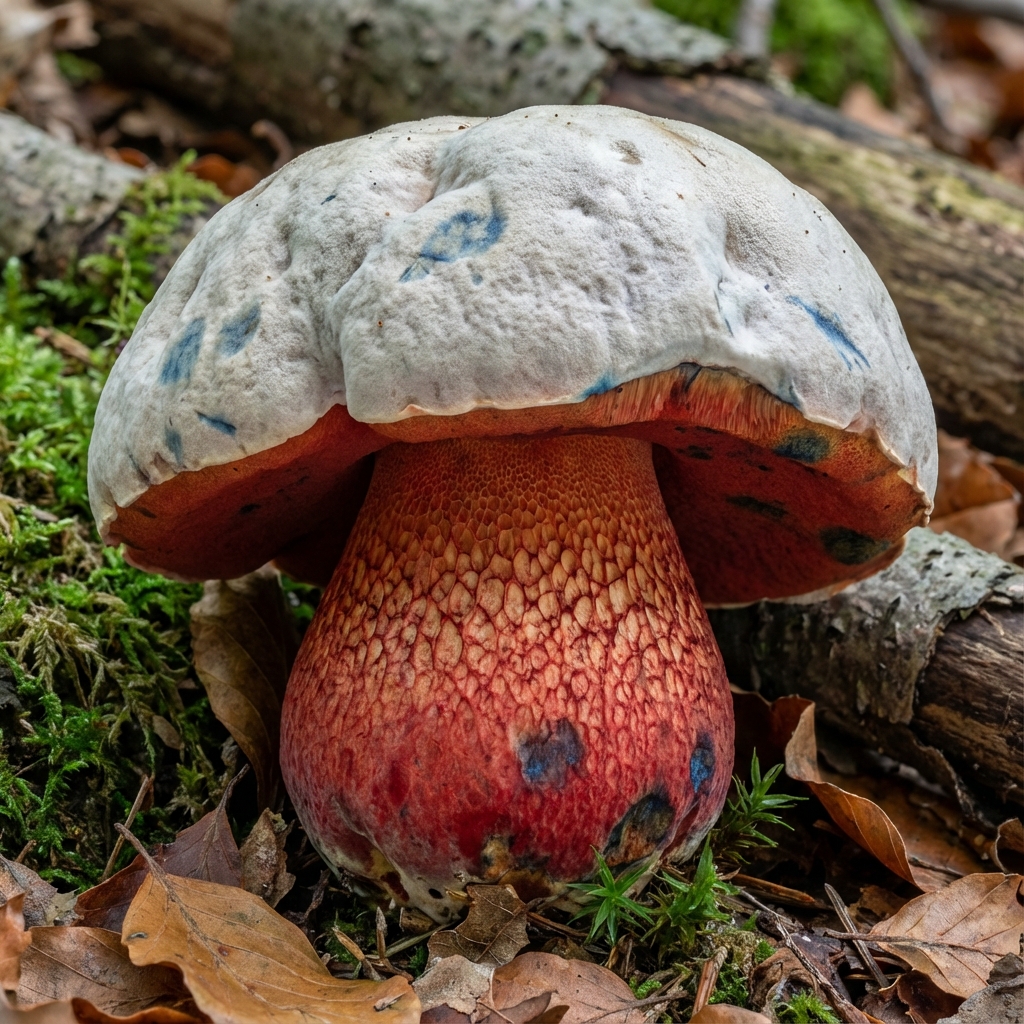
Boletus satan(Rubroboletus satanas)
Limestone oak forests / warm clearings
Light hat, thick yellow-red foot, red tubes.
Toxic raw, causing serious gastrointestinal poisoning.
Present in more limestone/warmer areas of northern Iberia.
It is NOT an edible boletus.
Ruler:reddish pores + fat red foot = risk.
Video:see video section below.
WOODEN MUSHROOMS / TINKERS
3. Wood fungi (tinderboxes)
They live on dead logs. They are not “for the frying pan”, but they count on the health of the forest.
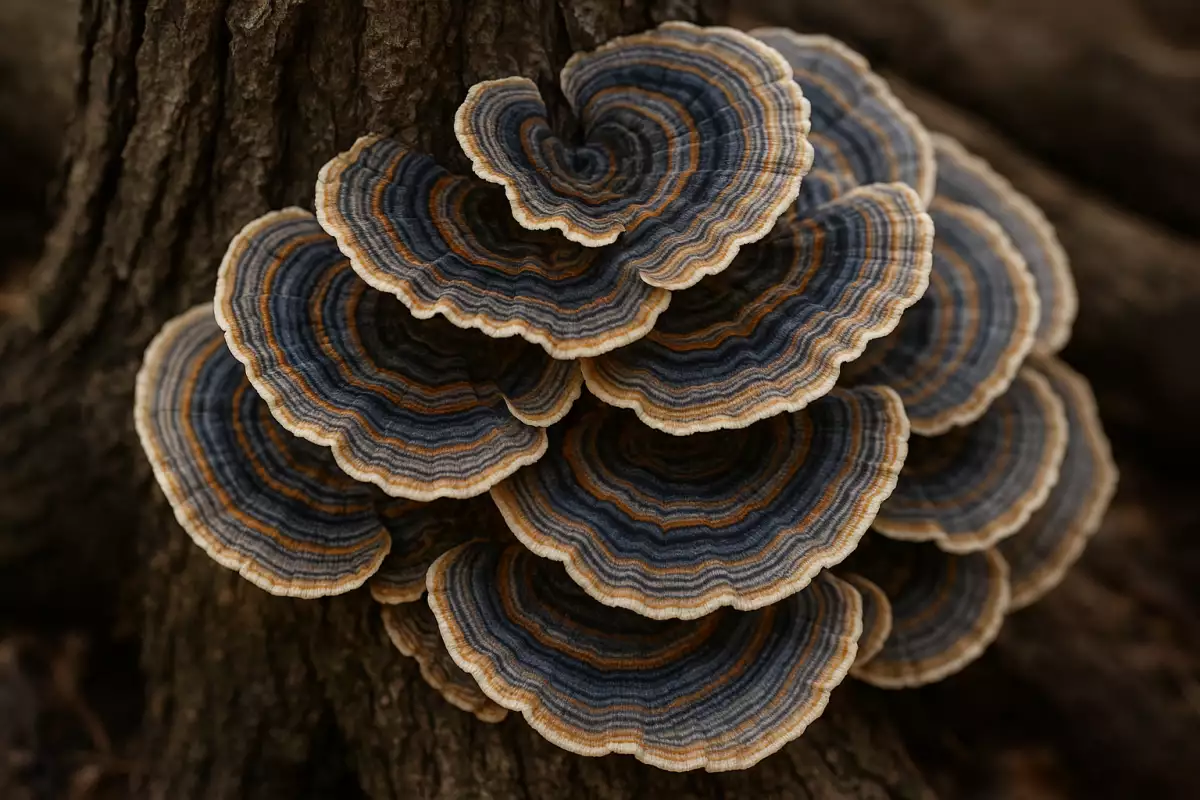
Trametes versicolor(Trametes versicolor)
wet logs
“Turkey tail.” Concentric bands of brown, cream, gray, bluish.
Very common in damp fallen wood.
Used in studies for possible medicinal properties.
Texture:hard, leathery (not culinary as is).
Indicator:good recycling of wood in the ecosystem.
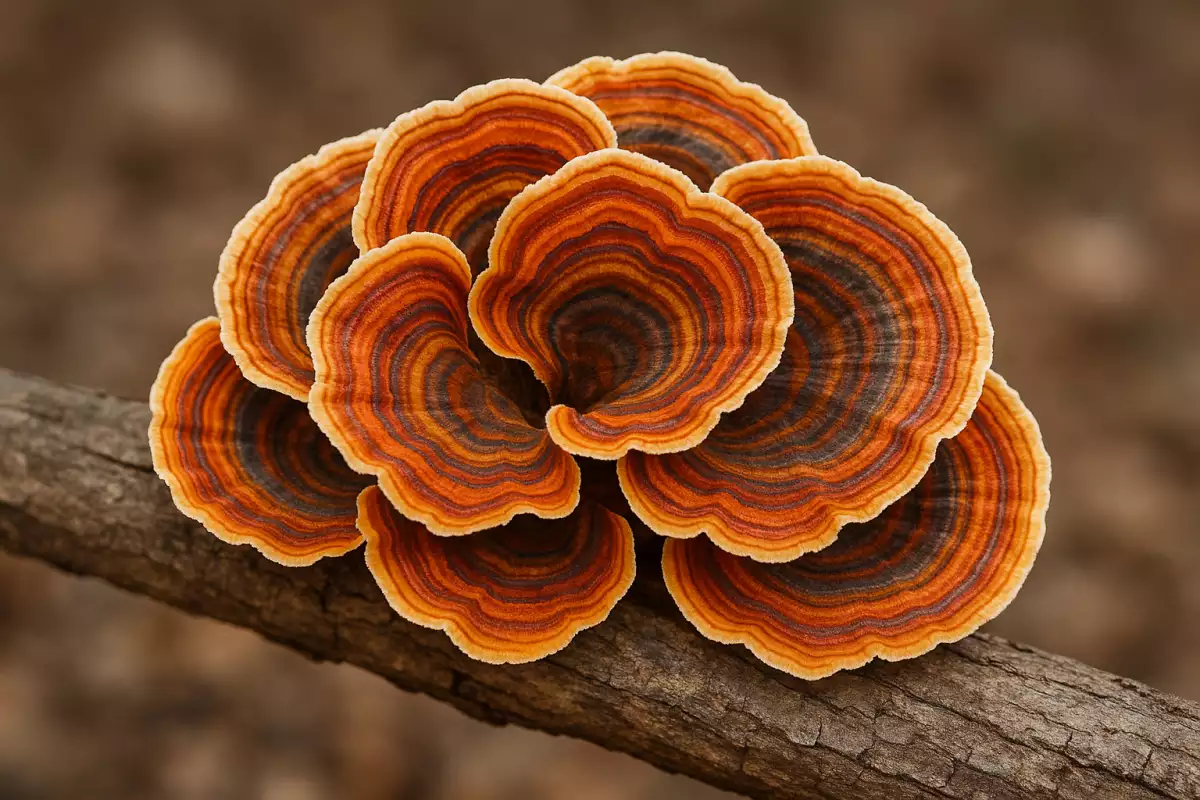
Stereum ostrea(Stereum ostrea)
dead branches
Thin, orange/brown scabs, in ledges on the bark.
It is often confused with trametes, but it does not have true pores (smooth surface below).
Role:decomposes hardwood.
Interest:indicator of stable humidity in Cantabrian forest.
4. Video: identification and respect
Selection of informative videos on “Cantabrian Mushrooms”.
These creators upload content directly about mushrooms in Cantabria and northern Iberia.
Real example in the field. Notice the brown hat with light warts,
the edge of the ring and turn it into the base. This is NOT eaten.
More videos from the channel:youtube.com/@setasdelcantabrico
Other species in video:Amanita vittadinii (ko45daaXwW8), Boletus satanás (YD5nWO7tJF4), Trametes versicolor (FmP9gbfLtT4).
Summits / Refuges / High viewpoints
5. Recommended areas to look for mushrooms in Liébana
Time:
Beech forests of Valdebaró and Camaleño
The constant humidity of the beech forests (Cosgaya, Espinama) favors the appearance ofBoletus edulisand chanterelles.
Look in clearings where some light comes in and the ground is not completely covered with dry leaves.
Queen species:Boletus edulis.
Time:From the end of September to the first frosts.
Repopulation pine forests (Cereceda Valley)
Small patches of pine in the Vega de Liébana and Cabezón area.
This is where the reignschanterelle (Lactarius deliciosus).
They usually come out in large numbers after autumn rains followed by mild days.
Queen species:Chanterelle.
Advice:Carry a razor and brush; The chanterelle usually comes out dirty with needles.
Tooth and mowing meadows
In the meadows fertilized by cattle (almost any town in the valley) the enormousMacrolepiotes.
They are unmistakable due to their size. Always respect the walls of private properties; don't jump fences.
Queen species:Macrolepiota procera.
Caution:Be careful with wild mushrooms (toxic risk); macrolepiota is safer if it is large.
6. SECURITY
6. Security and basic regulations
Never eat a mushroom if you are not 100% sure.There are deadly species that look like “normal mushrooms”.
Respect quotas and properties.In areas of the Cantabrian Sea (including Liébana) collection may have limits or be private.
Don't raze the ground.Cut the mushroom with a razor or remove it carefully; do not dig or destroy the mycelium.
Watch out for children and dogs against dangerous mushrooms.Several toxic amanitas and agaricus cause severe vomiting even upon contact or accidental ingestion.
In case of possible poisoning, take the remaining mushroom/vomited remains to the hospital.
7. SEO FAQ
Frequently asked questions about mushrooms in Picos de Europa
Do you need a permit to pick mushrooms in Liébana?
Currently, recreational collection is allowed in undefined areas (few kg for own consumption).
However, on the land of the Picos de Europa National Park, use may be restricted to neighbors.
Always check at City Hall or local boards before filling your basket.
When does the mushroom season start?
It depends on the rains. The normal thing is that it starts strongend of septemberand last until November.
In rainy springs, St. George's mushrooms (perretxicos) also emerge in high areas.
Where can I weigh or classify my mushrooms?
There is no permanent public classification service in the valley.
In autumn, Mycological Days are sometimes organized in Potes with experts.
When in doubt, the golden rule is:throw it away.
AUTHOR BIO (E-E-A-T)
IMAGE MODAL (we reuse the same lightbox as birds/carnivores)