
Fusion of Cultures in Liébana
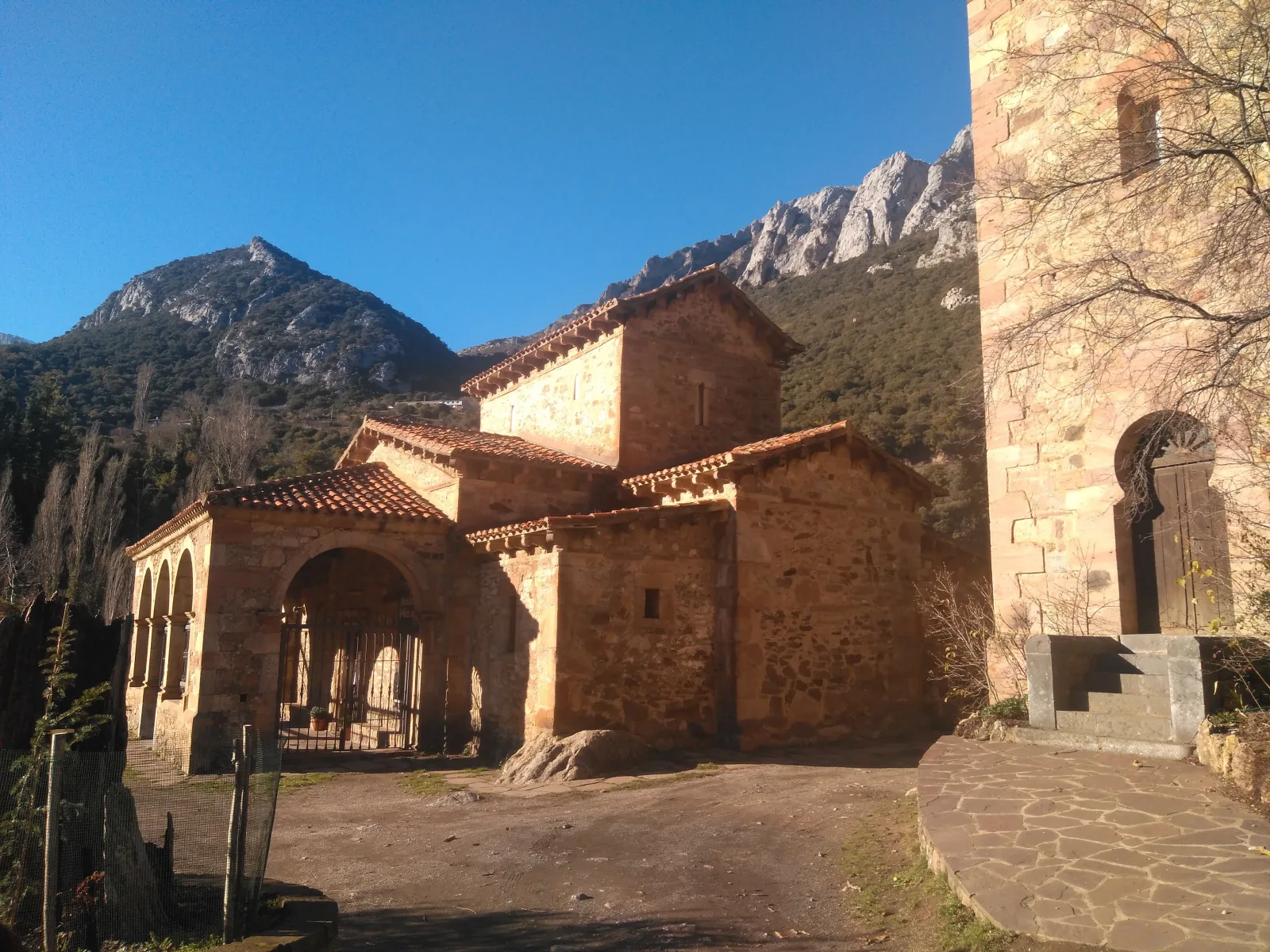
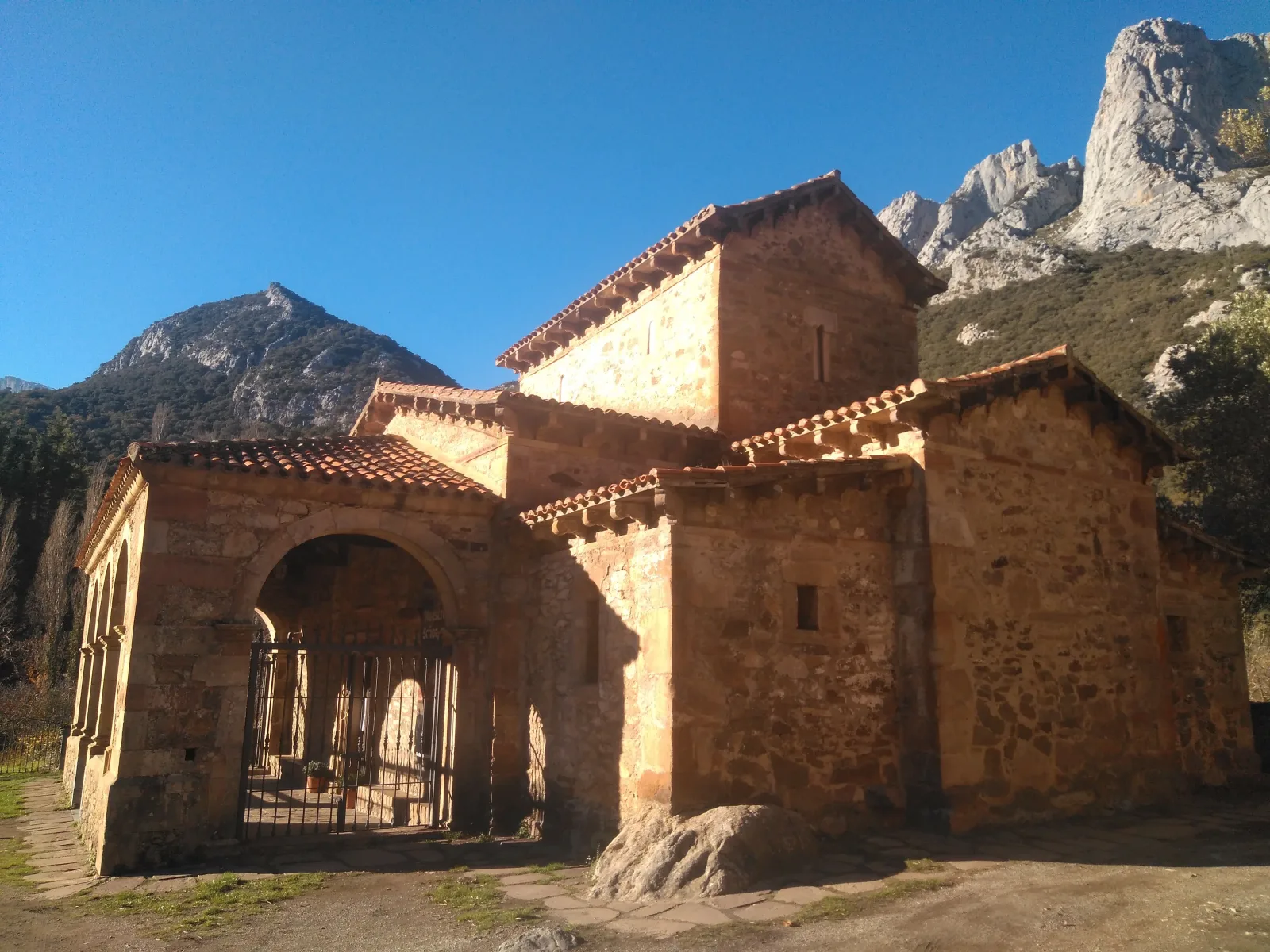
Santa María de Lebeña is the most important pre-Romanesque monument in Cantabria and an essential historical site for those traveling the Camino Lebaniego. Built in the third decade of the 10th century (year 924 or 925) by the Counts of Liébana, Don Alfonso and Doña Justa, its initial purpose was to house the remains of Santo Toribio (which would eventually be moved to the nearby Monastery of Santo Toribio).
This modestly sized church (19 meters long by 12 meters wide) is an exceptional and paradigmatic example of Mozarabic or "repopulation" art, which harmoniously blends Christian, Visigothic, and Asturian influences with the unmistakable Islamic influence brought by artisans from the south of the peninsula.
Located in a privileged natural setting at the entrance to the La Hermida Gorge, surrounded by white mountains and vineyards, this church is a mandatory stop for any lover of history, art, and nature.
Gallery: Details of Santa María de Lebeña
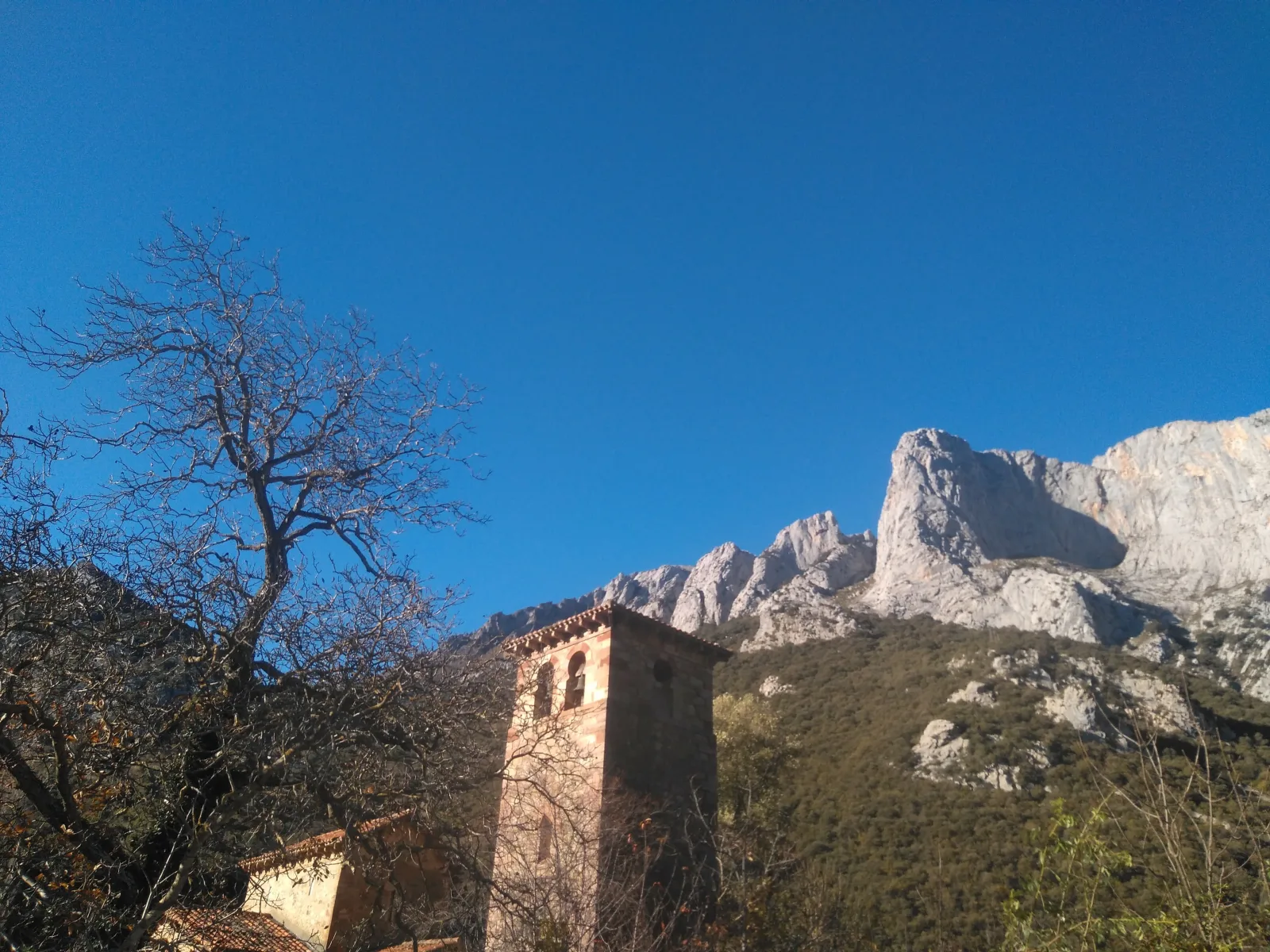
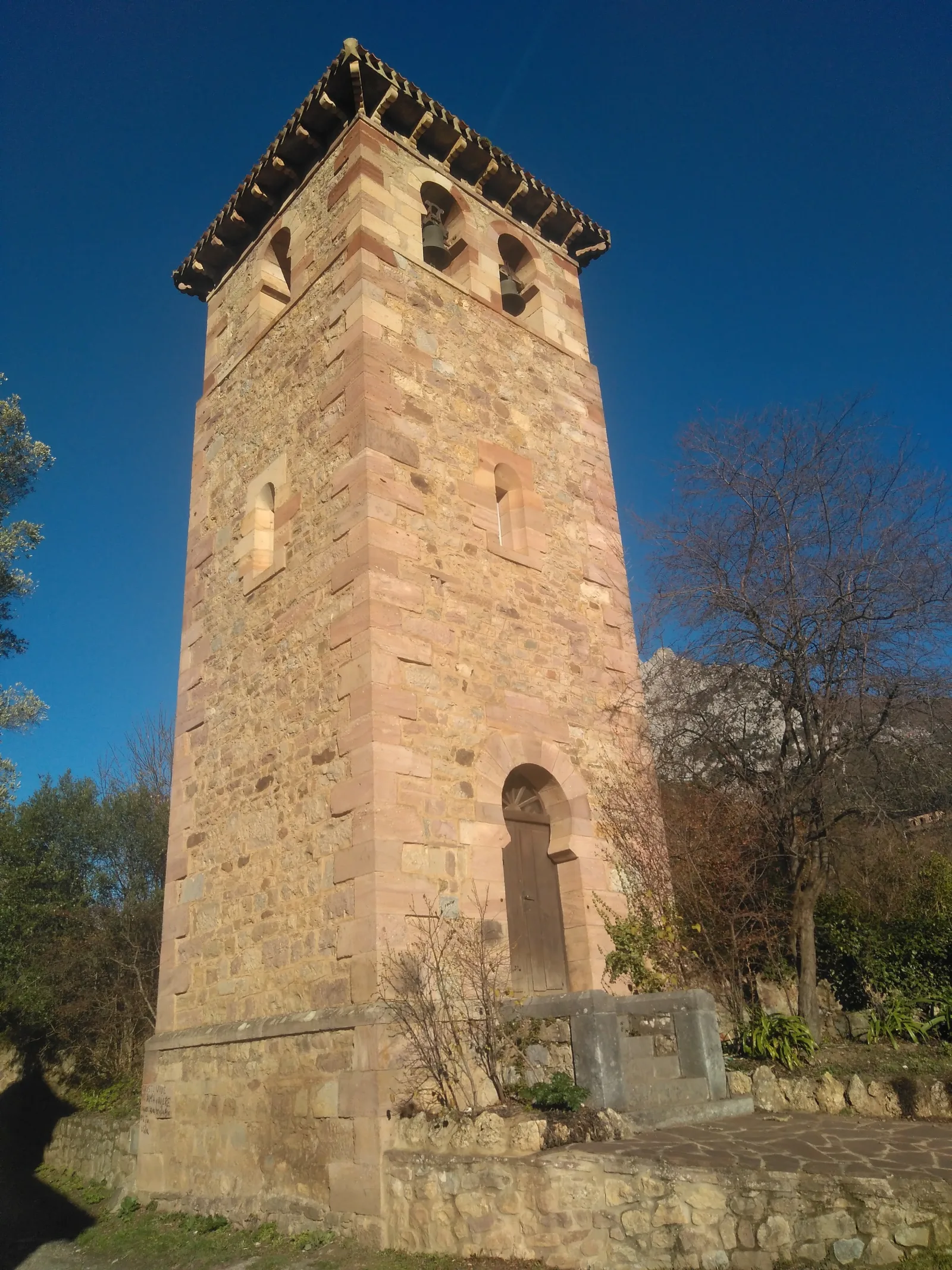
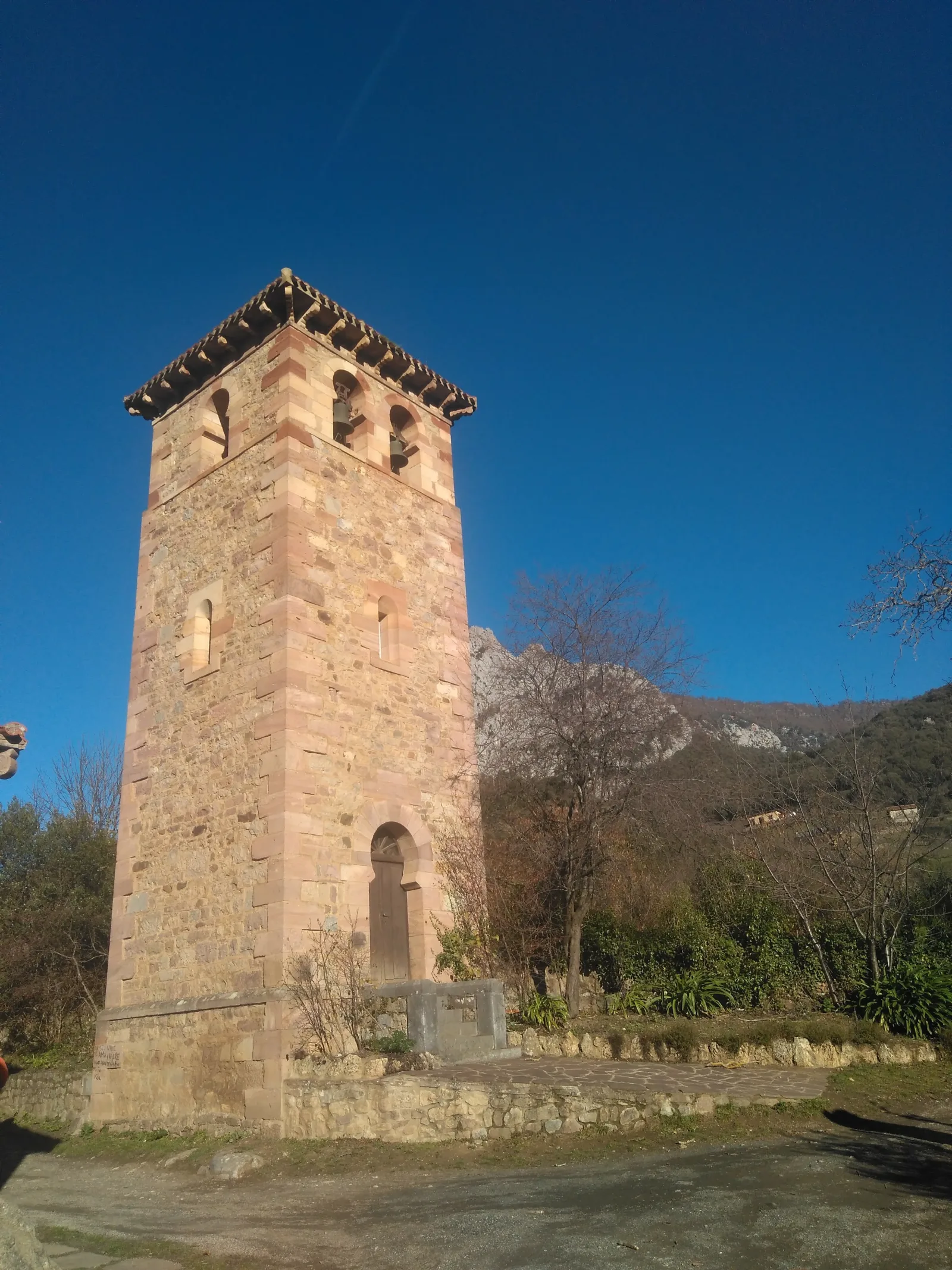
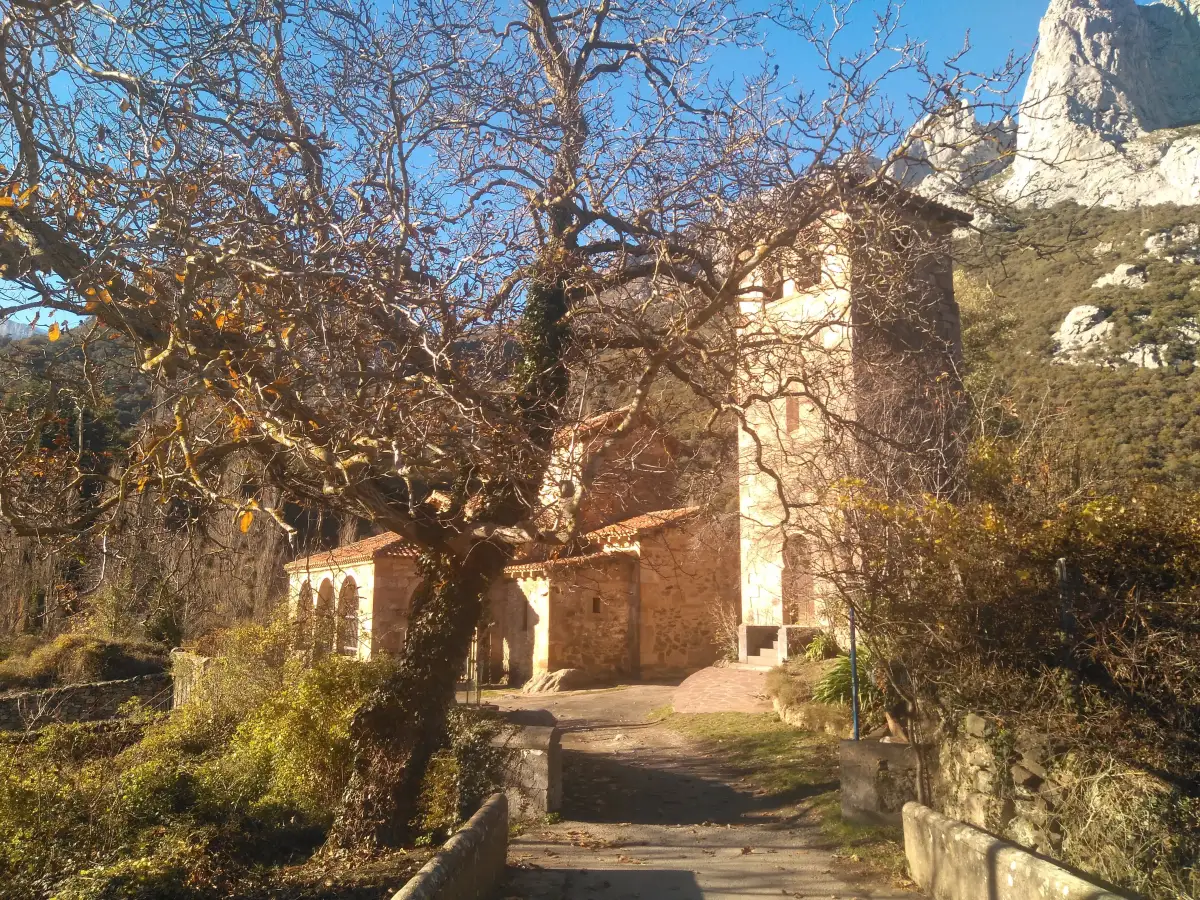
Discover the beauty of the reddish stone, its freestanding tower, and its unparalleled surroundings:
Why is this church architecturally unique?
The construction, made of masonry with ashlar reserved for the corners, stands out for fusing three major architectural influences:
- Islamic Influence (Horseshoe arches): As you cross its door, you will be surprised by an impressive forest of horseshoe arches. Its pillars are crowned by beautiful Corinthian capitals carved with vegetal and geometric motifs of incredible mastery.
- Visigothic Influence: It is materialized in its Greek cross plan inscribed in a rectangle and the extreme compartmentalization of the spaces (nine vaulted spaces).
- Asturian Influence: It is especially noticeable in the tripartite sanctuary (three rectangular apses) and in the use of the barrel vault for the central nave.
- Natural polychromy: The intense reddish and golden color of its local sandstone contrasts spectacularly with the deep green of the Picos de Europa mountains that surround it.
The Legend of the Yew and the Olive Tree
Historically, two emblematic trees grew in front of the church: a majestic yew (a Celtic and pagan symbol of the north) and an olive tree (a Mediterranean tree strongly linked to Christian tradition).
Legend has it that they were planted by the Counts of Liébana, Don Alfonso and Doña Justa (founders of the church), as a symbol of their love and the union of their two homelands. Although the millennial yew was blown down by a storm a few years ago, the place retains an undeniable magical and mystical aura.
Plan Your Visit to Lebeña
To truly appreciate the historical value of Santa María de Lebeña, we highly recommend taking the guided tour of the interior.
- Duration: Guided tours usually last about 20-30 minutes, where they detail the history of the founding counts and the architectural symbolism.
- Schedules: They vary depending on the season (summer/winter) and religious services. It is essential to check the updated schedules before going.
- The surroundings: The village of Lebeña, located at the entrance to the La Hermida Gorge, is surrounded by vineyards. Liébana is a land of wines and a unique microclimate.
Video Tour
Enjoy this fantastic aerial and ground video to learn more about the surroundings and the magic of Santa María de Lebeña.